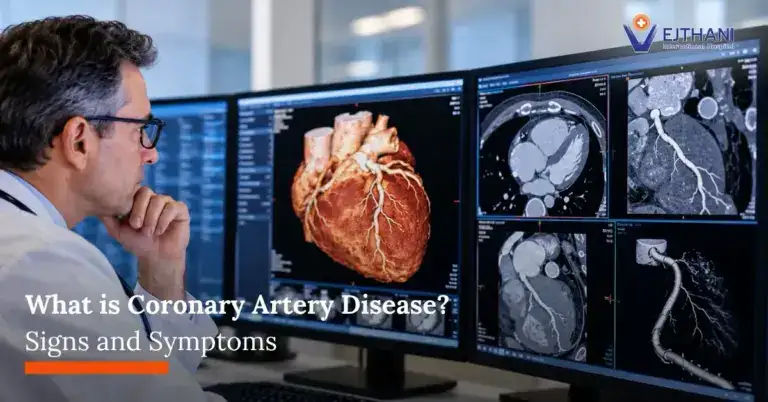
Coronary Artery Disease: What Is It?
Carotid Artery Disease (CAD) is also called Coronary Heart Disease, an occurrence wherein there is a narrowing of the coronary arteries.
Select Topic
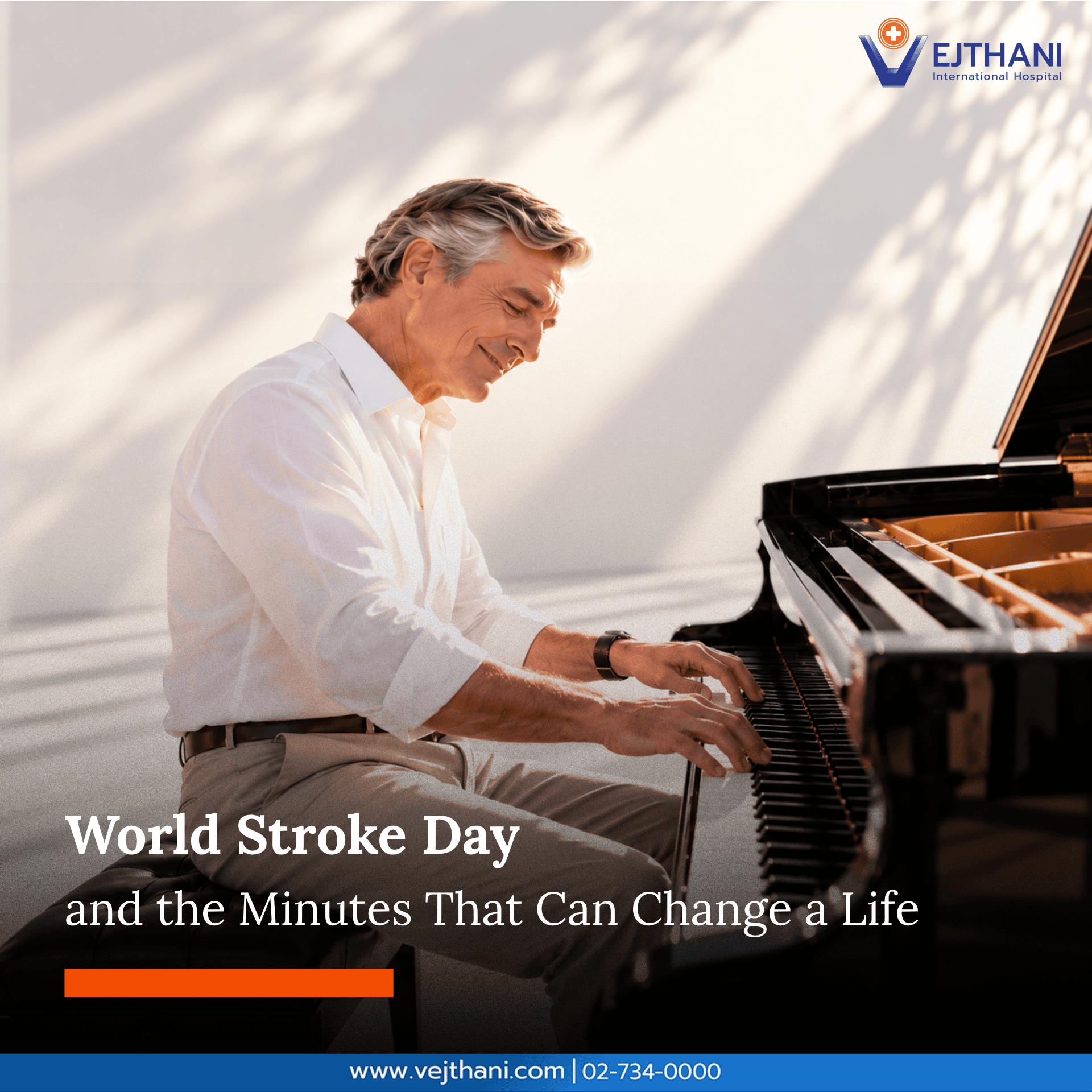
A stroke does not give the brain much time to respond. World Stroke Day on October 29 reminds us how important it is to recognize the warning signs and get treatment quickly. The first few minutes can affect how much brain function is preserved and how well a person recovers. As a global stroke awareness day, it also highlights personal risk factors and the importance of acting quickly when symptoms appear.
World Stroke Day brings global attention to stroke, but its message goes beyond awareness alone. Stroke demands fast recognition because brain cells begin to suffer when blood flow stops or bleeding occurs inside the brain.
The sooner a person reaches a hospital, the sooner doctors can identify the type of stroke and determine the right treatment. This is why stroke awareness matters not only to people at higher risk, but also to families, friends, and anyone who might be present when symptoms suddenly appear.
A stroke happens when the brain loses its normal blood supply or when a blood vessel in the brain ruptures. Doctors generally divide stroke into two primary types:
An ischemic stroke occurs when a blood clot blocks an artery that supplies the brain. This type accounts for most stroke cases. The blockage prevents oxygen-rich blood from reaching part of the brain, and brain tissue begins to lose function.
A hemorrhagic stroke occurs when a blood vessel ruptures and causes bleeding in or around the brain. The bleeding raises pressure inside the skull and damages nearby brain tissue.
Both types require urgent medical assessment, but each type requires a different treatment approach. Brain imaging tests, along with other tests, are required to identify the cause before choosing the right treatment.
Stroke symptoms often develop without much warning. A person may look well only moments before weakness, speech difficulty, or loss of balance begins. A simple way to remember the warning signs is BE FAST.
Other warning signs include sudden numbness on one side of the body, confusion, or a severe headache that appears without an obvious cause.
Even if the symptoms improve after a few minutes, they still need medical attention. A temporary episode could signal a transient ischemic attack, or TIA, which can be a warning sign of a future stroke.
The brain depends on a continuous supply of oxygen and nutrients. When a stroke disrupts blood flow, brain tissue begins to suffer, which is why treatment needs to start as quickly as possible.
Doctors first determine whether the stroke comes from a blocked artery or bleeding in the brain because each type requires a different approach. For eligible patients with an ischemic stroke, treatment may include intravenous medication to dissolve the clot. If a large artery is blocked, doctors may perform mechanical thrombectomy to remove the clot through a catheter.
Hemorrhagic stroke requires a different strategy. Treatment focuses on controlling the bleeding, reducing pressure inside the skull, managing blood pressure, and treating the damaged blood vessel when needed.
The final treatment plan depends on the type and location of the stroke, how long ago the symptoms began, and the patient’s overall condition.
Stroke risk often develops over time. High blood pressure, diabetes, high cholesterol, smoking, atrial fibrillation, excess weight, and physical inactivity can all increase the chance of stroke. A previous stroke or TIA also raises the risk of another event. Knowing these risk factors matters because many can be managed before stroke symptoms appear.
Many stroke risk factors can be managed before symptoms ever appear. Keeping blood pressure, blood sugar, cholesterol, and heart rhythm under control is an important first step, while regular physical activity, maintaining a healthy weight, avoiding smoking, and taking prescribed medication consistently help reduce risk over time.
People who have already had a TIA or stroke, or who live with atrial fibrillation or several risk factors, often need a more individual approach to prevention. A medical assessment can help identify which risks need closer attention and guide the next steps before an emergency occurs.
World Stroke Day is a reminder that stroke can change quickly and leave little time to respond. Recognizing the warning signs early gives patients a better chance of receiving the right treatment before more brain function is affected.
That is why stroke awareness matters beyond October 29. Knowing the signs, understanding personal risk, and acting quickly when symptoms appear can make a meaningful difference in what happens next.
For people with stroke risk factors, a neurological assessment may include tests that look more closely at the blood vessels supplying the brain. At Vejthani International Hospital, Carotid Doppler Ultrasound can assess blood flow through the carotid arteries in the neck and detect plaque or narrowing that may affect blood supply to the brain. Transcranial Doppler Ultrasound (TCD) evaluates blood flow within the brain’s major arteries and provides additional information about cerebral circulation.
These tests are used alongside the patient’s symptoms, medical history, physical examination, and individual risk factors to help doctors make an accurate diagnosis. This helps build a clearer picture of stroke risk and supports more appropriate prevention for each patient.
Stroke-like symptoms may improve after a few minutes, but you should never ignore them. A brief episode could be a transient ischemic attack, or TIA, which may signal a higher risk of a future stroke.
Doctors may recommend these tests for people with certain stroke risk factors, previous TIA or stroke, or concerns about blood flow to the brain. The need for testing depends on symptoms, medical history, and individual risk.
Many stroke risk factors can be managed. Controlling blood pressure, blood sugar, cholesterol, and heart rhythm, along with regular physical activity, maintaining a healthy weight, avoiding smoking, and taking prescribed medication consistently, can help lower stroke risk.
Neuroscience Center, Vejthani International Hospital
Call: (+66)2-734-0000 Ext. 5400
English Hotline: (+66)85-223-8888
Neurology
Medical Neurology - Stroke and Vascular