
Sitting for Long Hours Could Increase Your Risk of Herniated Disc

Herniated Disc

Many people downplay chronic back or neck pain, assuming it is a minor issue that will resolve on its own. However, these symptoms may be an early warning sign of a herniated disc, a condition that, if left untreated, can worsen and significantly impact your daily life.

What is Herniated Disc?

A herniated disc occurs when one of the spinal discs—responsible for absorbing shock and allowing smooth movement—tears or slips out of place. This displacement can press on nearby nerves, causing pain, numbness, or weakness in various parts of the body, such as the back, neck, hips, or legs.

Symptoms of Herniated Disc

Symptoms vary depending on the location of the disc herniation and the degree of nerve compression. Common signs include:

  1. Chronic back or neck pain, especially during movement or heavy lifting
  2. Radiating pain along the nerve path (e.g., down the leg if the disc slips in the lower back, or down the arm if in the neck)
  3. Numbness or weakness in the legs, arms, or hands
  4. Electric shock-like sensations when moving or staying in certain positions
  5. Muscle weakness or limited range of motion

If left untreated, symptoms can worsen over time and may lead to:

  1. Muscle atrophy or increasing weakness
  2. More intense nerve pain and numbness
  3. Loss of bowel or bladder control in severe cases

Causes of Herniated Disc

  1. Age (typically affects those between 30 to 50 years old)
  2. Poor posture or improper use of the spine (e.g., lifting heavy objects incorrectly)
  3. Spinal injury or trauma
  4. Excess body weight or obesity
  5. Lack of regular exercise causes weak back muscles

Diagnosing Herniated Disc

Diagnosis typically begins with a medical history and physical examination. Additional tests may include:

  1. MRI (Magnetic Resonance Imaging): A detailed scan to detect nerve compression and assess the severity of disc damage.

Treatment Options

For mild or early-stage herniation:

  1. Pain relief medications
  2. Physical therapy
  3. Lifestyle adjustments, such as correcting posture and modifying sleeping or lifting habits

For more severe or persistent symptoms:

If the condition does not improve within six months or becomes more severe, such as radiating leg pain, sleep disturbances, difficulty walking, or loss of bladder/bowel control, your doctor may recommend endoscopic discectomy, a minimally invasive spine surgery.

Benefits of Endoscopic Discectomy

  1. Small incision (around 1 cm)
  2. Minimal trauma to surrounding tissue, resulting in less post-operative pain
  3. Faster recovery time and quicker return to daily activities

Preventing Herniated Discs

While age-related degeneration cannot be entirely avoided, you can lower your risk and delay the onset of symptoms by:

  1. Maintaining a healthy weight
  2. Exercising regularly to strengthen core and back muscles
  3. Avoiding smoking
  4. Having a balanced diet
  5. Practicing proper posture when sitting, standing, bending, or lifting
  6. Changing your position regularly when working at a desk
  7. Taking precautions to avoid spine-related injuries

Don’t Ignore Chronic Pain

If you’ve been experiencing persistent back pain, neck pain, or numbness in your limbs, don’t wait for it to become more severe. Consult a spine specialist for an accurate diagnosis and appropriate treatment recommendations.

For more information, contact

Spine Center, Vejthani International Hospital
Tel: 02-734-0000 ext. 5500
English Hotline: (+66)85-223-8888
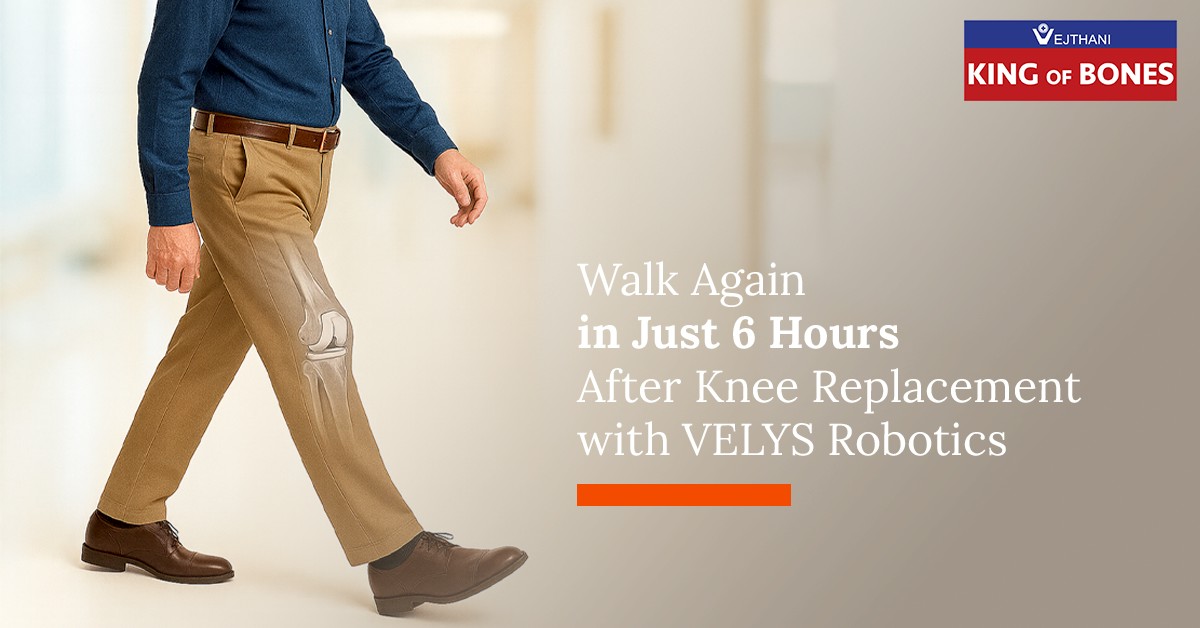
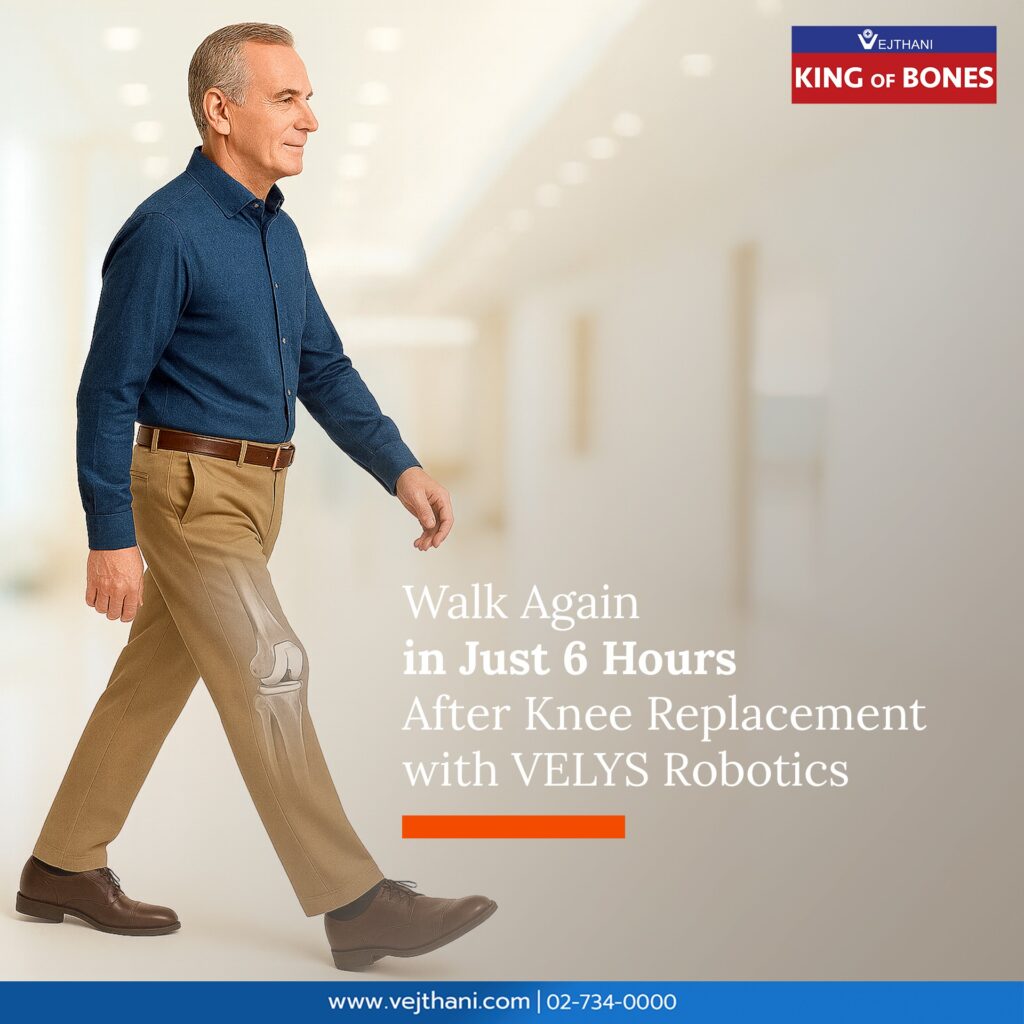
Walk Again in Just 6 Hours After Knee Replacement with VELYS Robotics

knee replacement

Knee pain, stiffness, and discomfort during walking can indicate early knee osteoarthritis. Without timely treatment, the condition can progress, causing further cartilage wear, chronic inflammation, walking difficulties, and, eventually, the need for walking aids in daily life.

What is Knee Osteoarthritis?

Knee osteoarthritis occurs when the cartilage covering the joint surface deteriorates, causing the bones within the knee joint to rub against each other. This leads to pain, stiffness, tightness, and reduced mobility. It is common among older adults or individuals who have long subjected their knees to heavy use, such as frequent lifting, running, or climbing stairs.

The condition is increasingly seen in working-age and middle-aged individuals due to lifestyle habits such as prolonged kneeling, sitting on the floor, and excess body weight that place additional stress on the knee joint.

Symptoms of Knee Osteoarthritis

  1. Knee pain, especially when standing, walking, or climbing stairs
  2. Morning stiffness or stiffness after prolonged sitting
  3. Cracking, popping, or grinding sounds in the knee
  4. Swelling or fluid accumulation in the joint
  5. Knee deformity, such as bowlegs or knock-knees

If left untreated, symptoms may worsen over time, affecting mobility, daily activities, and overall quality of life.

Causes of Knee Osteoarthritis

  1. Age: Natural decline in the body’s ability to repair cartilage increases the risk.
  2. Gender: Women, particularly those over 50 or post-menopause, have a higher risk than men.
  3. Excess body weight: Adds pressure on the knees, accelerating inflammation and joint degeneration.
  4. Genetics: A family history may increase susceptibility, although not directly inherited.
  5. Improper knee usage: Heavy or repetitive knee movements, frequent stair climbing, prolonged kneeling, squatting, or sitting cross-legged.
  6. Previous knee injuries: Accidents or sports injuries such as meniscus or ligament tears, can increase the risk of early joint degeneration.
  7. Weak supporting structures: Lack of exercise can weaken the muscles and ligaments around the knee, reducing joint stability.
  8. Underlying medical conditions: Rheumatoid arthritis, gout, SLE, and certain blood disorders may also contribute to knee degeneration.

Diagnosis

Your doctor will begin with a detailed medical history, physical examination, and assessment of knee mobility. Imaging studies such as X-ray or MRI may be used to evaluate cartilage damage and surrounding tissues, allowing your specialist to design the most suitable treatment plan.

Treatment Options

Treatment depends on the severity of the condition and may include:

Non-surgical Options

  1. Weight control
  2. Physiotherapy and strengthening exercises
  3. Knee injections (medication or joint lubricants)
  4. Anti-inflammatory medications

If symptoms are severe and conservative treatments are no longer effective, your doctor may recommend Total Knee Replacement (TKR).

Next-Generation Knee Replacement with the VELYS™ Robotic System

Modern knee replacement is not just about “replacing the joint”, it is about restoring your quality of life.

VELYS™ Robotic-Assisted Solutions (VRAS), the 4th-generation robotic technology, enhances surgical precision, safety, and personalization for each patient.

Benefits of the VELYS™ Robotic System

  1. 3D knee imaging for personalized surgical planning
  2. Real-time assessment of leg alignment and joint stability
  3. Reduced impact on surrounding tissues
  4. Faster recovery, less pain, and extended implant durability
  5. Improved movement that feels as natural as possible

Why Personalized Alignment Matters

The VELYS™ system is not a “one-size-fits-all” approach. It uses the patient’s real movement data, walking patterns, knee bending angles, and bone alignment to ensure:

  1. The implant fits seamlessly with the patient’s anatomy
  2. The surgeon achieves optimal precision
  3. Movement feels natural, with faster recovery and confidence in every step

Because VELYS™ does not simply “assist surgery”, it helps you walk againwith your natural movement.

Who is VELYS™ Suitable For?

Ideal candidates include people who:

  1. Have moderate to severe knee osteoarthritis
  2. Have not improved with standard treatments
  3. Want faster recovery and less postoperative pain
  4. Seek a precise and safe surgical option

VELYS™ Robotic-Assisted Solutions

An advancement in knee replacement surgery, enhancing precision, safety, and recovery to restore quality of life.

FAQ: Knee Osteoarthritis

  • How is knee osteoarthritis treated?

Start with weight management, exercise, and physiotherapy. For advanced cases, robotic-assisted knee replacement with VELYS™ may be recommended for higher precision and faster recovery.

  • How long is the recovery after VELYS™ robotic knee replacement?

Most patients can walk within 6 hours after surgery and return to everyday life faster.

  • How is VELYS™ different from conventional knee replacement?

VELYS™ provides real-time 3D imaging, precise implant placement, reduced tissue trauma, less pain, faster recovery, and movement that feels more natural.

For more information, please contact:

Hip and Knee Center, Vejthani International Hospital
Call: (+66)2-734-0000 Ext. 2222, 2223
English Hotline: (+66)85-223-8888

Learn How to Treat Insertional Achilles Tendinopathy

Insertional Achilles Tendinopathy

Pain at the back of the heel may not simply be routine soreness. It can be a sign of Insertional Achilles Tendinopathy, which often affects individuals who are engaged in intense exercise, athletes, and those who place repetitive stress on their feet every day. Without proper care, this condition may become chronic or even lead to tendon tears.

What Is Insertional Achilles Tendinopathy?

The Achilles tendon is the largest tendon in the body, connecting the calf muscles to the heel bone. When inflammation occurs at the tendon’s insertion point, it can cause pain, swelling, redness, or tenderness at the back of the heel—especially when standing, walking, or running.

Symptoms of Achilles Tendinitis

  • Pain at the back of the heel, especially in the morning or after exercise
  • Swelling and tenderness around the heel
  • In some cases, heel spurs may develop
  • Increased pain during running, jumping, or wearing shoes that irritate the heel

Causes of Insertional Achilles Tendinopathy

  • Repetitive stress such as long-distance running, jumping, or high-impact sports
  • Wearing improper footwear
  • Foot abnormalities, such as flat feet or a tight Achilles tendon
  • Age-related loss of tendon elasticity
  • Excess body weight, which increases pressure on the heel

Diagnosis

Doctors diagnose this condition through medical history, physical examination, and—if needed—ultrasound or MRI to assess severity and guide a personalised treatment plan.

Treatment Options for Achilles Tendinitis

Non-Surgical Treatment

This is the first-line approach, as most patients improve without surgery. It includes:

  • Rest and activity modification: Avoid activities that worsen symptoms, such as long-distance running or jumping, giving the tendon time to recover.
  • Cold compress: Helps reduce inflammation and swelling, especially during flare-ups.
  • NSAIDs (e.g., Ibuprofen, Naproxen): Reduce pain and inflammation.
  • Physical therapy: Includes calf stretching and ankle-strengthening exercises.
  • Supportive devices: Insoles or heel pads help reduce tension at the tendon insertion.
  • Shockwave therapy: Uses high-energy shockwaves to enhance blood flow and stimulate tendon healing. This technique has become increasingly popular.

Surgical Treatment

Surgery may be considered if symptoms persist for 6–12 months despite non-surgical treatment. Options include:

  • Debridement: Removing damaged tendon tissue to reduce inflammation and stimulate healing.
  • Removal of heel spurs: If bone spurs are causing friction at the tendon insertion.
  • Tendon repair: Recommended when partial tears are present.

Post-operative rehabilitation is essential to restore walking, running, and normal foot function.

Prevention

  • Warm up and stretch before exercising
  • Choose well-fitted shoes with good shock absorption
  • Increase exercise intensity gradually
  • Maintain a healthy body weight
  • Regularly stretch the Achilles tendon and calf muscles

Although this condition is not life-threatening, chronic symptoms can significantly affect daily life, making walking or exercising increasingly difficult. If you experience persistent heel pain, it is important to consult a doctor for timely diagnosis and treatment.

For more information, please contact:
Orthopedics Center, Vejthani International Hospital
Tel. 02-734-0000 Ext. 2298
English Hotline: (+66)85-223-8888

Chronic Back Pain Isn’t Just Muscle Aches — It May Be a Sign of Spinal Stenosis

Spinal Stenosis

Spinal stenosis is a condition in which the space within the spinal canal — responsible for protecting the spinal cord and nerves — becomes narrowed due to degenerative changes in structures such as the intervertebral discs, ligaments, and joints. This narrowing compresses the nerves, causing pain, numbness, or weakness in various parts of the body, particularly the lower back and legs.

Spinal stenosis is common among older adults and is a major cause of chronic back pain. Without early evaluation and treatment by a spine specialist, it may lead to permanent weakness or loss of mobility.

Causes of Spinal Stenosis

The primary cause is age-related degeneration of the spine, often accompanied by several contributing factors:

Degenerative Disc Disease

  • Disc shrinkage or bulging puts pressure on the nerve canal.

Facet Joint Hypertrophy

  • Degeneration leads to bone overgrowth that narrows the canal.

Ligamentum Flavum Thickening

  • Thickened ligaments reduce the space within the spinal canal.

Spondylolisthesis

  • Forward slippage of a vertebra narrows the canal and compresses nerves.

Other causes include trauma, previous surgery, or congenital spine abnormalities.

Symptoms of Spinal Stenosis

Symptoms depend on the location and severity of nerve compression. Common symptoms include:

  1. Lower back pain or pain radiating down the legs
  2. Hip or leg pain when walking for extended periods
  3. Worsening pain when leaning backward; relief when bending forward
  4. Numbness, weakness, or heaviness in the legs
  5. Difficulty walking long distances or needing frequent rests
  6. In severe cases: loss of bladder or bowel control — a medical emergency

How is Spinal Stenosis Diagnosed?

Doctors evaluate the condition through history-taking, physical examination, and imaging such as:

  1. X-ray: Shows bone alignment and joint abnormalities
  2. MRI: Provides detailed views of the nerve canal, discs, and nerves
  3. CT Scan: Used when MRI isn’t possible; shows bone structures clearly

Treatment Options

Treatment depends on the severity of the condition and symptoms. Options include:

Non-Surgical Treatment

Suitable for patients with mild to moderate symptoms:

  1. Physical therapy to strengthen back and abdominal muscles
  2. Pain medications or muscle relaxants
  3. Local anti-inflammatory injections
  4. Lifestyle modifications such as avoiding heavy lifting or prolonged back extension

Surgical Treatment

Considered when symptoms are severe or do not improve:

  1. Decompression Surgery: Relieves pressure on the nerves
  2. Spinal Fusion: Stabilizes the spine in cases of vertebral slippage

At Vejthani International Hospital, decompression surgery is performed using microscope or endoscope-assisted techniques, resulting in smaller incisions, less pain, and faster recovery.

Prevention & Self-Care

  1. Regular exercises to strengthen the back and core muscles
  2. Maintain a healthy body weight
  3. Avoid heavy lifting or prolonged sitting in the same posture
  4. Seek early evaluation if chronic back pain or radiating leg pain occurs

Frequently Asked Questions

1. How is spinal stenosis different from a herniated disc?

Both may cause similar symptoms, such as back pain and leg pain. However, a herniated disc occurs when disc material presses directly on a nerve, whereas spinal stenosis results from narrowing of the spinal canal caused by degeneration, often developing gradually and commonly seen in older adults.

2. Does every patient with spinal stenosis need surgery?

No. Most patients improve with non-surgical treatments such as physical therapy, injections, and lifestyle adjustments. Surgery is recommended only for those with progressive numbness, weakness, limited walking ability, or loss of bladder/bowel control.

3. How long is the recovery after spinal stenosis surgery?

With modern minimally invasive techniques, most patients can walk within 1–2 days after surgery and return to everyday life within a few weeks. Recovery time depends on individual health and rehabilitation progress.

4. What types of exercise are safe?

Choose low-impact exercises that strengthen the back, core, and legs, such as swimming, water walking, gentle yoga, or senior-friendly Pilates. These help reduce spinal pressure and prevent recurrence.

For more information, contact

Spine Center, Vejthani International Hospital
Tel: 02-734-0000 ext. 5500
English Hotline: (+66)85-223-8888

Ischemic Stroke: A Medical Emergency That Requires Immediate Treatment to Prevent Paralysis

Ischemic stroke occurs when blood flow to the brain is blocked or severely reduced, depriving the brain of oxygen and essential nutrients. When this happens, brain cells begin to die within minutes. Stroke is one of the leading causes of death and long-term disability, especially if left untreated.

Causes of Ischemic Stroke

An ischemic stroke happens from a blockage in the brain’s blood vessels or in the arteries supplying blood to the brain. Common causes include:

  1. Blood clots that form in the brain’s arteries or travel from the heart to block cerebral vessels
  2. Atherosclerosis, where fatty deposits narrow blood vessels
  3. Atrial fibrillation, which increases the risk of clot formation in the heart
  4. Underlying health conditions, such as diabetes, hypertension, and high cholesterol
  5. Lifestyle factors like smoking, excessive alcohol consumption, and lack of exercise

Symptoms of Ischemic Stroke

Symptoms usually appear suddenly and require urgent medical attention. The BEFAST rule helps identify early warning signs:

  1. B – Balance: Sudden loss of balance, dizziness, or unsteady walking
  2. E – Eyes: Blurred vision, double vision, or vision loss in one or both eyes
  3. F – Face Drooping: One side of the face appears uneven or cannot smile symmetrically
  4. A – Arm Weakness: Weakness or numbness in one arm or leg
  5. S – Speech Difficulty: Slurred speech, inability to speak, or difficulty understanding speech
  6. T – Time to Call: Call an ambulance immediately if any of these signs appear

Other possible symptoms include severe dizziness, double vision, loss of coordination, or loss of consciousness.

Diagnosis of Ischemic Stroke

Doctors use several tests to identify the cause and location of the blockage:

  1. Neurological and physical examinations
  2. CT Scan or MRI
  3. MRA/CTA to examine cerebral blood vessels
  4. ECG to detect abnormal heart rhythms
  5. Blood tests to assess risk factors

Treatment for Ischemic Stroke

Treatment must be initiated urgently to reduce brain damage.

  1. Intravenous thrombolytic therapy (rt-PA) within 4.5 hours of symptom onset
  2. Medication to prevent recurrent clots, such as antiplatelets or anticoagulants
  3. Supportive care, including blood pressure control, glucose management, and rehabilitation
  4. Thrombectomy using Biplane DSA

Thrombectomy with Biplane DSA

Mechanical thrombectomy is a highly effective method to remove clots blocking brain arteries. A neurovascular specialist inserts a small catheter through an artery in the groin and retrieves the clot from the affected brain vessel. Using Biplane Digital Subtraction Angiography (Biplane DSA) enables specialists to view real-time images of the brain’s blood vessels from two angles simultaneously. This enhances precision and reduces procedural risk.

Vejthani International Hospital’s neurovascular team is equipped to perform thrombectomy using advanced Biplane DSA technology. This imaging system improves treatment accuracy, minimizes complications, and ensures holistic, comprehensive care for every patient.

Benefits of Thrombectomy with Biplane DSA

  1. Reduces brain damage and increases chances of recovery
  2. Lowers the risk of additional tissue injury
  3. Shortens treatment time and increases survival rates
  4. Suitable for patients who arrive within 24 hours of symptom onset

Prevention of Ischemic Stroke

  1. Maintain healthy blood pressure, glucose, and cholesterol levels
  2. Eat a balanced diet with reduced salt and saturated fat
  3. Exercise regularly
  4. Quit smoking and limit alcohol consumption
  5. Undergo annual health check-ups to detect early risks

Ischemic stroke is a race against time. Recognizing symptoms early and seeking immediate treatment can significantly improve survival outcomes and reduce long-term disability. With today’s advanced Biplane DSA technology, treatment is safer and faster.

Frequently Asked Questions

Can Ischemic Stroke be treated?

Yes. If treated promptly, especially within 24 hours using Biplane DSA—patients have a significantly higher chance of recovery and reduced disability.

How is Biplane DSA different from conventional treatment?

Biplane DSA provides simultaneous two-angle imaging of cerebral blood vessels, giving doctors clearer visualization of the clot’s location. This increases precision and enhances safety during the procedure.

What should I do when stroke symptoms appear?

Call an ambulance or go to the hospital immediately. Every minute counts, as brain cells begin to die within minutes of symptom onset.

For more information, please contact
Neuroscience Center, Vejthani International Hospital
Call: (+66)2-734-0000 Ext. 5400, 5444
English Hotline: (+66)85-223-8888

Vejthani: A Leading Hospital in Health Analytics Recognized by Global Organizations

Dr. Tullawat Pacharapha, COO of Vejthani International Hospital along with the executive team, was invited by Qlik—one of the world’s foremost technology companies in Data Analytics and Business Intelligence—to speak at the Qlik Executive Roundtable 2025, under the theme “From Data to Decision: Transforming Business Performance with Qlik Analytics.”

During the event, Dr. Tullawat presented a healthcare case study showcasing the strategic impact of Data Visualization in medical systems, titled “Driving Strategic Impact with Data Visualization: A Healthcare Use Case from Vejthani International Hospital.” His presentation covered the hospital’s vision to leverage data to elevate service efficiency, operational excellence, and clinical quality for patients.

The event also included knowledge exchanging with leading experts from Accenture and Amazon Web Services, discussing the role of Data Analytics and AI in transforming business performance across industries—particularly in healthcare, where innovation can improve people’s lives.

Vejthani International Hospital remains committed to advancing digital technologies and data-driven insights to continuously enhance patient care, strengthening its position as a global leader in Health Analytics.

Interrupted Urination: The First Sign of Prostate Cancer — A Silent Threat Every Man Faces

Prostate Cancer

Prostate Gland

The prostate is a male reproductive gland, shaped much like a chestnut that surrounds the beginning of the urethra (the tube carrying urine from the bladder). It lies in front of the rectum. The prostate’s role is to produce seminal fluid — a vital component of semen — which supports sperm health and motility: essential for fertilization.

What is Prostate Cancer

Prostate cancer is most commonly found in men aged 50 and over, though it can occasionally occur in younger men. The onset of the disease may be subtle; sometimes a lump or increased size is felt in the prostate, yet it may not cause discomfort. The exact causes remain unclear, but there are believed to be several contributing factors — including age, genetics, diet, environment, and ethnicity. In recent years, the increasing use of health screening has made prostate cancer the second most frequently diagnosed cancer among men.

Symptoms

In the early stages, prostate cancer often causes no noticeable symptoms. Once the tumour grows large or spreads, symptoms may arise, depending on tumour size and location. Typical symptoms include:

  1. Difficulty urinating or a weak urine flow
  2. Pain or burning during urination
  3. Blood in urine
  4. In advanced cases, the cancer may spread to nearby organs, lymph nodes, or — most commonly — the bones. This may lead to bone pain (e.g. in the lower back or hips).
  5. If the cancer compresses nerves near the spine, patients might experience weakness in the leg.
  6. It may also impair sexual function — difficulties achieving or maintaining an erection, pain during ejaculation, or blood in semen.

How Prostate Cancer is Detected

Because prostate abnormalities can stem from various causes, and because early prostate cancer may show no symptoms, early detection relies on screening tests. Methods include:

  1. Digital rectal exam (DRE): A lubricated, gloved finger is gently inserted into the rectum to feel for abnormal size, shape, or hardness of the prostate.
  2. Urine test: May detect blood or signs of infection in the urinary tract.
  3. Transrectal ultrasound: Uses sound waves to visualise the prostate’s structure and any abnormal masses.
  4. Blood test for Prostate‑Specific Antigen (PSA): Elevated PSA levels may indicate prostate inflammation, enlargement, or cancer. If the PSA (or other tests) suggest abnormalities, a biopsy may be performed to confirm cancer.
  5. In some cases, imaging such as MRI may be used for further assessment.

Prostate cancer is typically classified into stages:

  1. Localized — Cancer confined to the prostate and adjacent tissues.
  2. Regional — Cancer has spread to nearby lymph nodes.
  3. Metastatic — Cancer has spread beyond the prostate to other organs.

Treatment Options

Whether prostate cancer can be cured — and which treatment is most suitable — depends on various factors: the stage of disease, how aggressive the cancer is, the patient’s general health, and personal preferences.

Common treatment options include:

  1. Surgery — Removal of the prostate gland (radical prostatectomy), sometimes along with surrounding tissues and lymph nodes. Techniques vary: open surgery (via abdomen), laparoscopic (minimally invasive), or robot-assisted laparoscopic surgery. Robot-assisted surgery tends to offer smaller incisions, faster recovery, and reduced risk of side effects such as urinary incontinence.
  2. Radiation Therapy — High-energy rays are used to destroy cancer cells. Options include external beam radiation (delivered over several weeks) or brachytherapy (radioactive seeds implanted directly into the prostate to deliver continuous low-dose radiation). In some cases, a combination of these treatments may be recommended.
  3. Focal Therapy / Ablation — For early or small tumours confined to part of the prostate, treatments that target only the affected tissue may be considered. Methods include:
    1. High‑Intensity Focused Ultrasound (HIFU)
    1. Cryotherapy (freezing the cancerous tissue)
    1. Laser ablation
    1. Photodynamic therapy
  4. Hormone Therapy (Androgen Deprivation Therapy) — Because prostate cancer is often driven by male hormones, therapies that reduce testosterone production or block androgen effects can slow growth. This may include medications, or — in some cases — surgical removal of the testicles. Hormone therapy is often used if cancer has spread or when other treatments aren’t suitable.
  5. Chemotherapy or Systemic Therapy — For more advanced or metastatic cancer, systemic treatments (chemotherapy, and/or targeted or immunotherapy if indicated) may be used to kill cancer cells throughout the body.

Postoperative Care for Prostate Cancer Patients

  1. When detected early and localised, prostate cancer is frequently curable.
  2. For advanced cases, even if a cure is not possible, treatment can effectively manage the disease, relieve symptoms, and improve quality of life.
  3. After surgery, care involves regular follow-up including PSA checks, avoiding strenuous physical activity for several weeks, and temporarily limiting activities (e.g. heavy lifting, sexual intercourse) to allow healing. There may also be temporary side effects such as urinary incontinence or sexual dysfunction, but rehabilitation programmes help with recovery.

When You Should Consult a Doctor

It is strongly recommended that men begin regular prostate screening — especially those who are over 50, or have a family history of prostate cancer — even if they feel healthy and have no symptoms. Early detection significantly increases the chance of successful treatment, often with fewer complications and minimal impact on quality of life.

For more information, please contact

Cancer Center, Vejthani International Hospital
Call: (+66)2-734-0000 Ext. 2720, 2721
English Hotline: (+66)85-223-8888