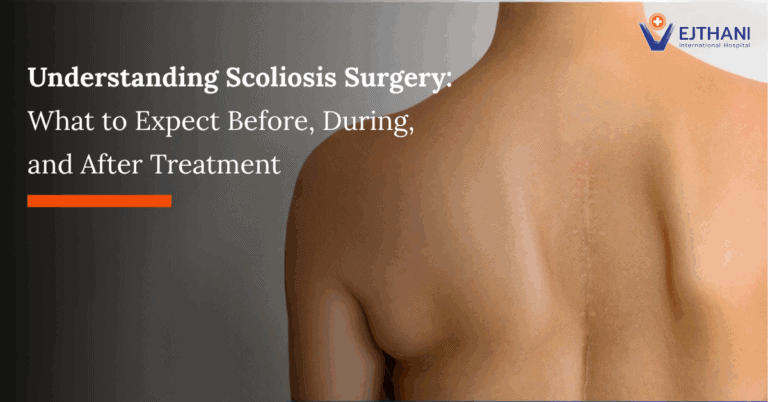
Understanding Scoliosis Surgery: What to Expect Before, During, and After Treatment
Scoliosis can be a frustrating condition that causes a great deal of pain and discomfort. Doctors work to present as many quality solutions for scoliosis

Select Topic
Many people downplay chronic back or neck pain, assuming it is a minor issue that will resolve on its own. However, these symptoms may be an early warning sign of a herniated disc, a condition that, if left untreated, can worsen and significantly impact your daily life.
A herniated disc occurs when one of the spinal discs—responsible for absorbing shock and allowing smooth movement—tears or slips out of place. This displacement can press on nearby nerves, causing pain, numbness, or weakness in various parts of the body, such as the back, neck, hips, or legs.
Symptoms vary depending on the location of the disc herniation and the degree of nerve compression. Common signs include:
If left untreated, symptoms can worsen over time and may lead to:
Diagnosis typically begins with a medical history and physical examination. Additional tests may include:
If the condition does not improve within six months or becomes more severe, such as radiating leg pain, sleep disturbances, difficulty walking, or loss of bladder/bowel control, your doctor may recommend endoscopic discectomy, a minimally invasive spine surgery.
While age-related degeneration cannot be entirely avoided, you can lower your risk and delay the onset of symptoms by:
If you’ve been experiencing persistent back pain, neck pain, or numbness in your limbs, don’t wait for it to become more severe. Consult a spine specialist for an accurate diagnosis and appropriate treatment recommendations.
Spine Center, Vejthani International Hospital
Tel: 02-734-0000 ext. 5500
English Hotline: (+66)85-223-8888