New Era of Minimally Invasive Surgery with the Da Vinci Surgical Robot Greater precision. Faster recovery. Better quality of life.

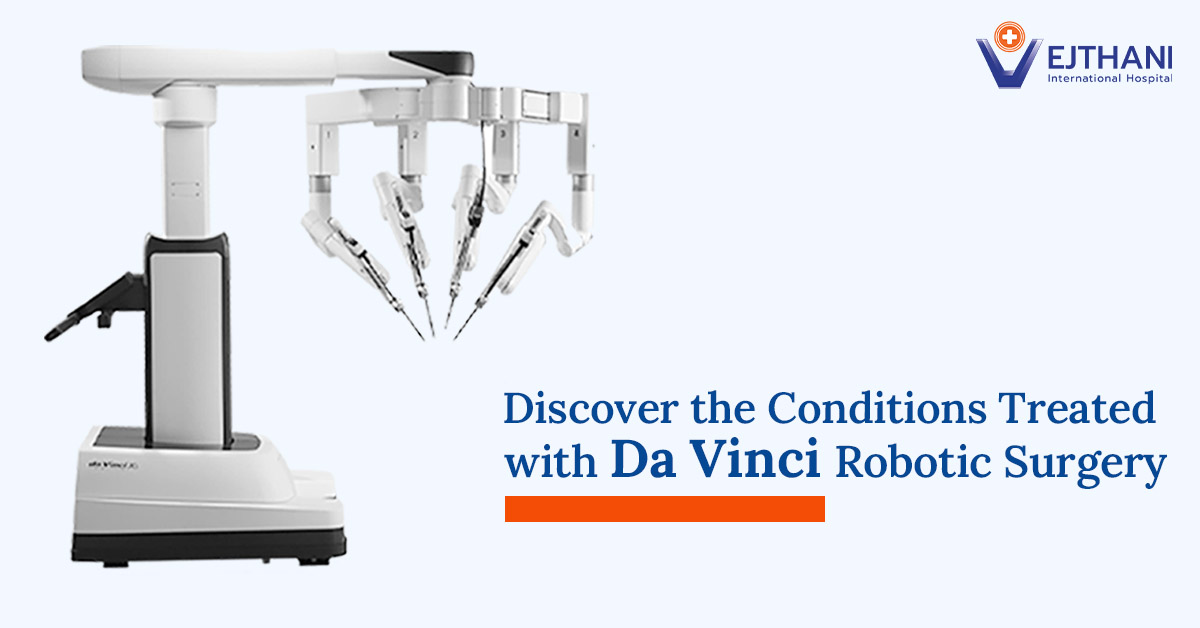
da Vinci

Medical technology has advanced at an extraordinary pace to ensure patients receive treatment that is both safer and more effective. One of the most significant innovations is the Da Vinci Surgical Robot, acutting-edge robotic system designed to assist surgeons in minimally invasive Surgeries (MIS). It enhances accuracy in hard-to-reach areas and significantly reduces trauma to the patient’s body.

            The Da Vinci Robot-Assisted Surgery is approved by the U.S. Food and Drug Administration (FDA) and is now used in leading hospitals worldwide. With millions of successful procedures performed to date, it continues to demonstrate strong, reliable clinical outcomes.

What is the Da Vinci Surgical Robot?

The Da Vinci system is a computer-assisted robotic device with four robotic arms capable of movements far more delicate and precise than the human hand.

            Surgeons operate the system via a dedicated console, viewing the surgical site in enhanced, high-definition 3D. Every hand movement is transmitted in real time to miniature instruments inside the patient’s body, supported by motion-stabilizing technology that eliminates natural hand tremors. This enables highly precise operations even in complex anatomical areas.

How Does the Da Vinci System Work?

The Da Vinci system operates in harmony with the surgeon and consists of three core components:

1) Surgeon Console

The surgeon sits at a console, viewing the surgical field in high-resolution 3D. Hand and finger movements are transmitted into precise robotic instrument motions inside the patient.

2) Patient-side cart

The patient-side unit includes four robotic arms—one for the camera and three for surgical instruments. These arms can articulate and rotate far beyond the limits of the human wrist, allowing access to deep or narrow spaces while minimizing disruption to surrounding tissues.

3) Vision System

The visual cart provides magnified, high-definition 3D visuals, delivering exceptional clarity of tissues, vessels, and structures for safer and more confident surgical decision-making.

Key Advantages of the Da Vinci Surgical Robot

  • High-definition 3D visualization for enhanced clarity
  • Articulating robotic arms that move with exceptional flexibility
  • Reduced trauma to the surrounding tissue and less blood loss
  • Smaller incisions, less postoperative pain, and faster recovery
  • Lower risk of complications
  • High precision facilitates surgeons in the most delicate procedures

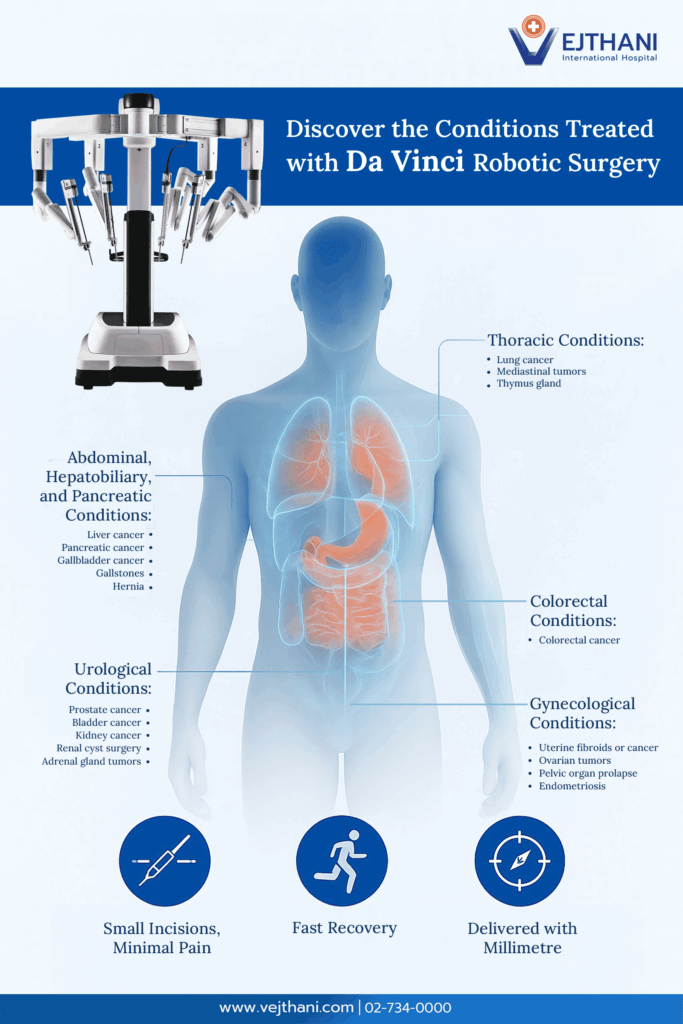
Which Conditions Can be Treated with Da Vinci Robot-Assisted Surgery?

            The Da Vinci Surgical Robot is used across multiple specialties, particularly in complex cases.

Urological Conditions

Abdominal, Hepatobiliary, and Pancreatic Conditions

Gynecological Conditions

Colorectal Conditions

Thoracic Conditions

            The Da Vinci Robot-Assisted Surgery enhances surgical outcomes by reducing trauma, promoting faster recovery, and improving precision compared to traditional open surgery—helping patients achieve safer and better long-term results under expert medical care.

Frequently Asked Questions (FAQ)

What is the Da Vinci Surgical Robot?

The Da Vinci Surgical Robot is a computer-controlled robotic system with four highly flexible arms. Surgeons operate it through a 3D high-definition console, enabling smaller incisions, greater accuracy, and reduced impact on the body.

How is Da Vinci surgery better than conventional surgery?


Key benefits include:

  • Smaller incisions, less pain, faster recovery
  • Magnified 3D visualization
  • Minimal damage to surrounding tissues and less blood loss
  • Enhanced precision and reduced risk of complications

Which medical conditions are suitable for treatment with Da Vinci Robotic-Assisted Surgery?


It is ideal for complex procedures in:

  • Urology (e.g., prostate cancer)
  • Abdominal and hepatobiliary conditions (e.g., liver cancer, gallstones)
  • Gynecology (e.g., fibroids, endometriosis)
  • Colorectal cancer
  • Thoracic surgery (e.g., lung cancer)

For more information, please contact
Surgery Center, Vejthani International Hospital
Call: (+66)2-734-0000 Ext.  4500, 4501
English Hotline: (+66)85-223-8888
What Is the Fastest Way to Relieve Hip Pain?

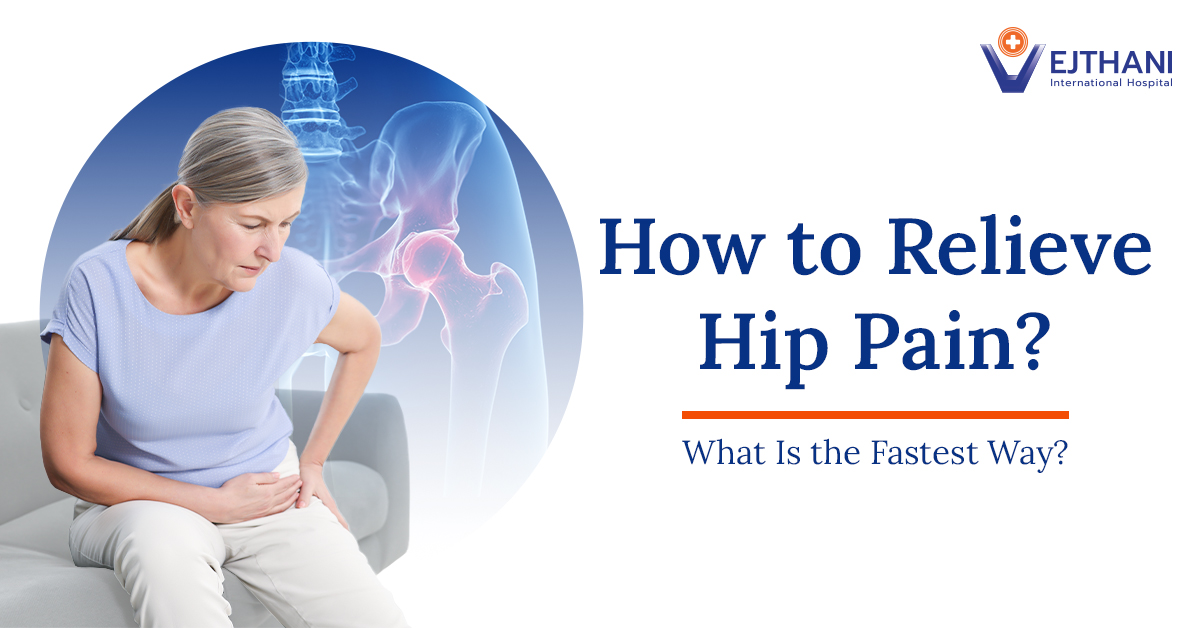
Hip pain can be a frustrating and debilitating condition, making simple activities like walking, sitting, or even sleeping a challenge. When you’re dealing with this kind of discomfort, you’re likely asking yourself, “what is the fastest way to relieve hip pain?” The good news is, there are several effective strategies that can help you find quick relief and get back to your daily life.

What Causes Hip Pain

Understanding the root cause of your hip pain is the first step toward effective treatment. Hip pain can arise from a variety of factors, including injuries, chronic conditions, and general wear and tear.

Here are some of the most common causes:

  • Arthritis: This is a frequent cause of hip pain, especially in older adults. It involves the breakdown of cartilage in the joint, leading to pain and stiffness.
  • Bursitis: This occurs when the bursae, small, fluid-filled sacs that cushion the hip joint, become inflamed.
  • Labral Tear: An injury to the cartilage rim around the hip socket, which can be caused by trauma or repetitive movements.
  • Tendinitis: Inflammation of the tendons around the hip, often due to repetitive stress or overuse.
  • Hip fracture: A serious injury, often requiring immediate medical attention.

5 Fastest Ways to Relieve Hip Pain

5 Fastest Ways to Relieve Hip Pain

When you’re searching for what is the fastest way to relieve hip pain, a combination of approaches is often the most effective. Here are 5 fastest ways to relieve hip pain, ranging from non-invasive to more advanced medical procedures.

1. Physical Therapy

Physical therapy is a powerful tool for hip pain relief. A physical therapist can create a personalized program of exercises and stretches to strengthen the muscles around your hip, improve your flexibility, and enhance joint function. This not only helps relieve current pain but also works to prevent future issues. It’s a proactive and highly effective method for long-term hip health.

2. Prescription Medication

For more severe or persistent pain, your doctor may prescribe stronger medications. While over-the-counter options like ibuprofen can help with inflammation, prescription pain relievers or anti-inflammatory drugs might be necessary to manage intense discomfort. These are typically used for a short period to provide significant relief and allow you to begin other therapies, like physical therapy.

3. Injections

Injections are a rapid and targeted way to reduce hip pain and inflammation. Doctors can inject a corticosteroid directly into the hip joint or bursa (a fluid-filled sac) to provide significant, often immediate, relief. This approach is especially effective for conditions like arthritis or bursitis when other methods haven’t worked. Injections can offer a quick solution and can be part of a larger treatment plan.

4. Surgery

When other treatments fail to provide relief, surgery may be considered. For severe arthritis, hip surgery can involve replacing the damaged joint with a new one, a procedure known as hip replacement. In cases of a labral tear, hip arthroscopy, a minimally invasive surgical procedure, can be performed to repair the labrum . While surgery is a more significant step, it can be the fastest way to relieve hip pain permanently for chronic, severe conditions.

5. Other Therapies

Beyond traditional medical treatments, other therapies can also contribute to hip pain relief. Alternative options such asdry needling, or Trigger Point Injection, or High Intensity Laser Therapy or Peripheral Magnetic Stimulation, can be beneficial, especially when combined with other medical treatments. These therapies can help improve circulation, reduce muscle tension, and provide a holistic approach to managing discomfort, all of which contribute to finding what is the fastest way to relieve hip pain.

Advanced Healthcare Solutions at Vejthani International Hospital

Advanced Healthcare Solutions at Vejthani Hospital

Vejthani International Hospital is a leading medical institution for advanced healthcare solutions. For those suffering from chronic and severe hip pain, we offer comprehensive care, including the latest hip replacement surgeries. These procedures provide a long-lasting solution, helping patients regain full range of motion and an improved quality of life. 

Frequently Asked Questions

When you’re dealing with hip pain, you likely have many questions about how to manage it. Here are some of the most common ones.

1. How do I get rid of hip pain asap?

For chronic hip pain you can try applying heat patch to the affected area to reduce inflammation, taking over-the-counter pain relievers, and resting to avoid further strain. For a more lasting solution, consult with a doctor to find what is the fastest way to relieve hip pain in your specific case.

2. Should I keep walking with hip pain?

It’s important to listen to your body. While low-impact activities like walking can be beneficial, if walking causes sharp or worsening pain, you should rest and seek medical advice.

3. What can cause hip pain in a woman?

Women are more susceptible to certain conditions that cause hip pain, such as hip dysplasia or Avascular Necrosis and certain types of arthritis. Additionally, pregnancy can cause hip pain due to hormonal changes and increased weight.

4. Which exercise is best for hip pain?

Low-impact exercises are generally best. Water aerobics, cycling, and gentle stretches can help strengthen the muscles around the hip without putting excessive stress on the joint.

Uncovering the Truth Behind Popular Cancer Myths

When it comes to cancer, there’s a lot of information out there, and not all of it is accurate. Misinformation can cause unnecessary anxiety and lead people to make wrong health decisions. Let’s debunk some common cancer myths and get to the truth about what really causes this complex disease. 

10 Common Cancer Myths

10 Common Cancer Myths

The following is an overview of common misconceptions about cancer and the scientific facts that clarify them. Understanding these distinctions is key to making informed health choices.

1. Can certain chemicals in cosmetics cause cancer?

The claim that certain cosmetics, like deodorants or antiperspirants, cause cancer is a persistent myth, but it lacks conclusive scientific backing. This idea often stems from concerns about ingredients such as aluminum compounds and parabens being absorbed through the skin. However, extensive research and studies have yet to establish a clear link between these products and cancer. While it’s always wise to be mindful of what you put on your body, the evidence suggests that using standard antiperspirants or deodorants doesn’t increase your cancer risk.

2. Could underwire bras cause breast cancer?

The idea that underwire bras can cause breast cancer is another popular myth with no scientific basis. This misconception suggests that the underwire restricts lymphatic drainage, causing toxins to build up in the breast tissue. However, medical experts and major cancer organizations have found no credible evidence to support this claim. The lymphatic system isn’t easily blocked by clothing, and there is no proven connection between wearing a particular type of bra and developing breast cancer.

3. Does breast cancer always involve a lump?

No, breast cancer doesn’t always present as a lump. This is a crucial point to understand for early detection. While a lump is the most common symptom, other signs can include changes in the size or shape of the breast, a change in the skin (like dimpling or redness), nipple changes, or even a discharge. Being aware of these symptoms and performing regular self-exams is just as important as checking for lumps.

4. Do vaccines mess with our immune systems and cause cancer?

Vaccines don’t cause cancer. In fact, some can help prevent it. The myth that vaccines mess with our immune systems and lead to cancer is false. The HPV vaccine, for instance, protects against the human papillomavirus, a leading cause of cervical and other cancers. Similarly, the Hepatitis B vaccine helps prevent liver cancer caused by hepatitis B infection. These vaccines work by training the immune system to fight off viruses that are known to cause certain types of cancer, making them a powerful tool for prevention.

5. Am I not at risk of getting skin cancer because my routine doesn’t include any outdoor activities?

No, you are still at risk for skin cancer even if you don’t spend a lot of time outdoors. Every day, cumulative sun exposure adds up and can lead to significant damage. Things like driving a car, sitting near a window, or walking to your mailbox can expose you to harmful UV rays. These seemingly brief moments can contribute to skin damage over time, increasing your risk for certain types of skin cancer.

6. Do I need to wear sunscreen in winter even though it’s cold and there’s no chance of getting skin cancer?

Yes, you should absolutely wear sunscreen in the winter. UV rays are present all year round, regardless of the temperature. While the sun’s intensity might be lower, snow and ice can reflect up to 80% of the sun’s rays, meaning you get a double dose of exposure. This can increase your risk of sunburn and long-term skin damage, making it essential to apply sunscreen on all exposed skin, even when it’s cold.

7. Does family history mean I will get cancer too?

No, having a family history of cancer doesn’t guarantee that you’ll get it. While some cancers have a hereditary link, only about 5-10% are directly caused by inherited gene mutations. The vast majority of cancers are caused by a combination of environmental factors and spontaneous genetic changes that happen throughout a person’s life. Having a family history simply means you should be more vigilant with screenings and lifestyle choices.

8. Does chemotherapy have negative side effects on health and should be avoided as cancer treatment?

Chemotherapy can have significant side effects, but this doesn’t mean it should be avoided. The negative effects of chemo are widely recognized, but they are a trade-off for its potential to destroy cancer cells and save lives. Medical professionals work hard to manage these side effects and tailor treatments to each patient’s needs, making chemotherapy an essential and often life-saving tool in the fight against cancer.

9. Are natural or herbal remedies able to cure cancer?

There is no scientific evidence to support the claim that natural or herbal remedies can cure cancer. While some of these therapies may help with the side effects of conventional treatments, relying on them as a cure can be incredibly dangerous. In fact, some herbal products can interfere with the effectiveness of chemotherapy or radiation therapy. Always consult with your doctor before starting any complementary or alternative treatments.

10. Can having surgery or a biopsy make cancer spread?

The fear that surgery or a biopsy can cause cancer to spread is a common but unfounded myth. Surgeons follow strict procedures and use specialized tools to prevent the spread of cancer cells during these procedures. A biopsy is a crucial diagnostic tool used to confirm a cancer diagnosis and guide treatment, and without it, a doctor cannot accurately determine the best course of action. The risk of cancer spreading from a biopsy is extremely rare.

Chemotherapy in Thailand

Chemotherapy in Thailand

If you or a loved one are facing a cancer diagnosis, it’s vital to seek treatment from a reliable and reputable medical center. For those looking for the best cancer hospital in Thailand, Vejthani International Hospital offers advanced, personalized care. 

As a leading medical institution, Vejthani provides comprehensive and effective chemotherapy in Thailand, delivered by a team of highly skilled oncologists. Our commitment to patient care and the use of cutting-edge technology ensures that you receive the best treatment.

Vejthani International Hospital has been awarded the “Bangkok Life Hospital 2025 – Excellence in Claims Coordination and Management”

Dr. Tullawat Pacharapha, COO of Vejthani International Hospital, proudly represented Vejthani in receiving the “Bangkok Life Hospital 2025 – Excellence in Claims Coordination and Management” award.

This award is a reflection of the standards we hold ourselves to, ensuring that Bangkok Life Assurance clients receive claims support that is smooth, timely, and genuinely transparent, with careful attention given to every detail.

We are determined to refining our services and strengthening every part of the patient journey, so everyone who steps into Vejthani feels supported, reassured, and cared for.

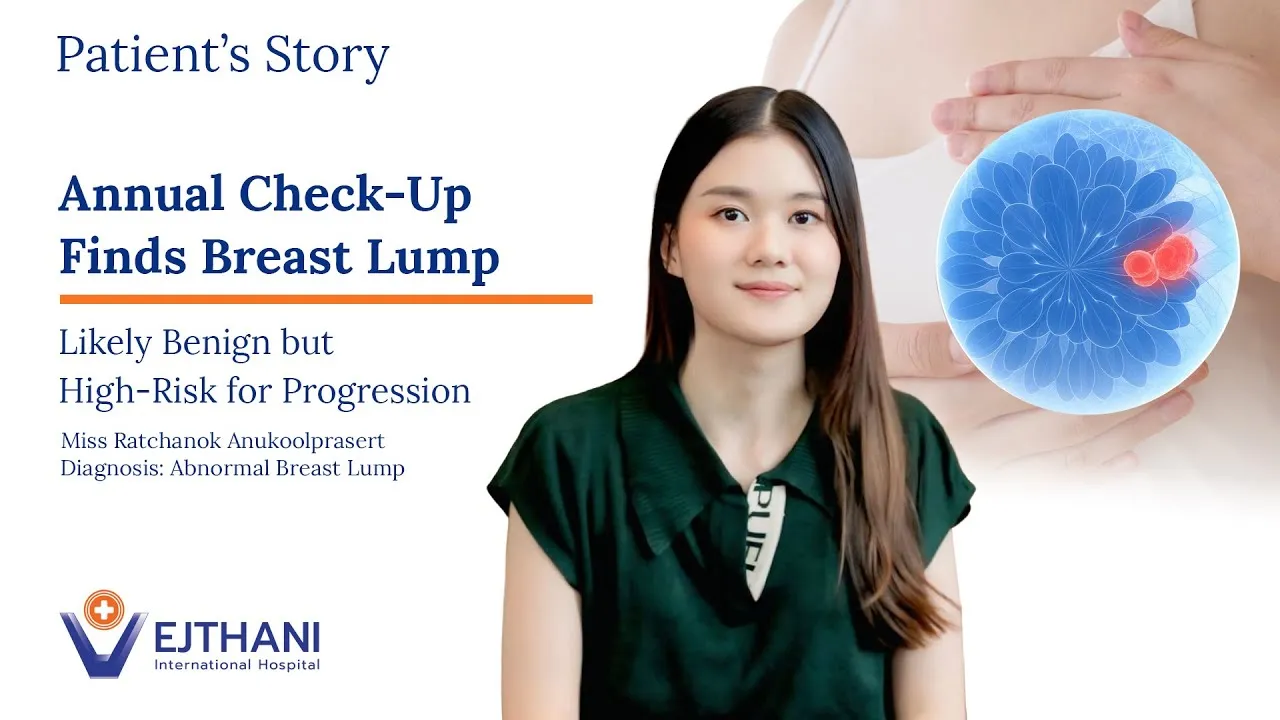
Annual Check-Up Finds Breast Lump – Likely Benign but High-Risk for Progression | Vejthani Hospital

At just 29, Miss Ratchanok went for her very first breast health check—something she had never thought she needed. But that single decision changed everything. 

 After meeting with Dr. Monchai and undergoing an ultrasound, she learned that there were multiple lumps in her breast. Their characteristics suggested that some carried a higher risk of becoming harmful, which is why a biopsy was performed to determine whether they were benign. Fortunately, the biopsy results confirmed that the lumps were non-cancerous. 

Given their potential to progress over time, Dr. Monchai recommended removing them early—before they develop into something more serious.

Her experience is a reminder that breast health checks are essential—even at a young age, and even when you have no symptoms. Early detection makes the difference.

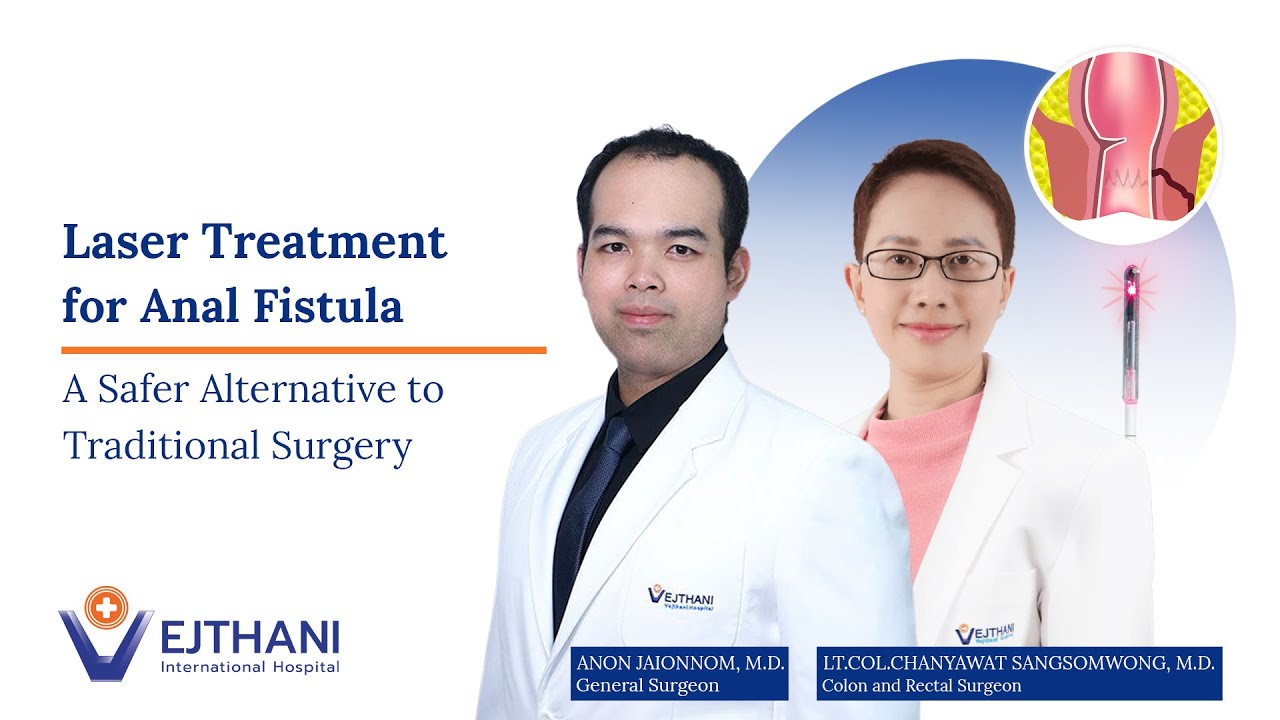
Treating Anal Fistula Through FiLaC — The Advanced Laser Technique | Vejthani Hospital

FiLaC (Fistula-tract Laser Closure) is an advanced laser technology designed to treat anal fistula with exceptional precision while preserving sphincter muscle function. 

FiLaC delivers controlled laser energy inside the fistula tract to seal it safely—without cutting the sphincter muscle. This minimally invasive approach reduces tissue damage, minimizes postoperative pain, and supports faster recovery, allowing patients to return to daily life sooner.

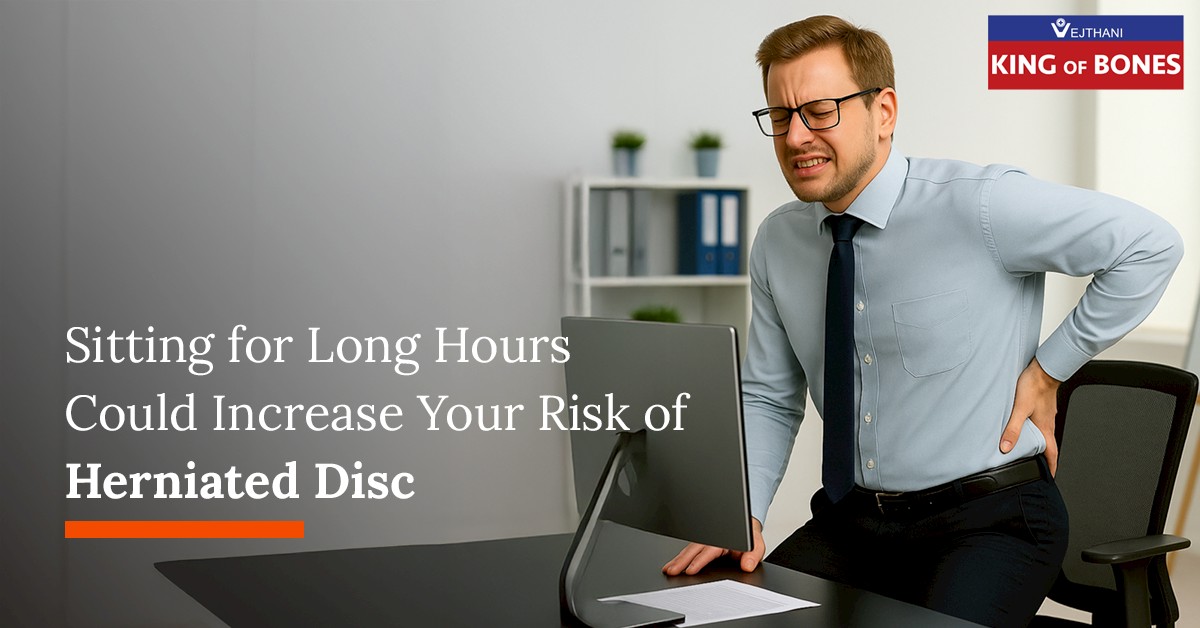
Sitting for Long Hours Could Increase Your Risk of Herniated Disc

Herniated Disc

Many people downplay chronic back or neck pain, assuming it is a minor issue that will resolve on its own. However, these symptoms may be an early warning sign of a herniated disc, a condition that, if left untreated, can worsen and significantly impact your daily life.

What is Herniated Disc?

A herniated disc occurs when one of the spinal discs—responsible for absorbing shock and allowing smooth movement—tears or slips out of place. This displacement can press on nearby nerves, causing pain, numbness, or weakness in various parts of the body, such as the back, neck, hips, or legs.

Symptoms of Herniated Disc

Symptoms vary depending on the location of the disc herniation and the degree of nerve compression. Common signs include:

  1. Chronic back or neck pain, especially during movement or heavy lifting
  2. Radiating pain along the nerve path (e.g., down the leg if the disc slips in the lower back, or down the arm if in the neck)
  3. Numbness or weakness in the legs, arms, or hands
  4. Electric shock-like sensations when moving or staying in certain positions
  5. Muscle weakness or limited range of motion

If left untreated, symptoms can worsen over time and may lead to:

  1. Muscle atrophy or increasing weakness
  2. More intense nerve pain and numbness
  3. Loss of bowel or bladder control in severe cases

Causes of Herniated Disc

  1. Age (typically affects those between 30 to 50 years old)
  2. Poor posture or improper use of the spine (e.g., lifting heavy objects incorrectly)
  3. Spinal injury or trauma
  4. Excess body weight or obesity
  5. Lack of regular exercise causes weak back muscles

Diagnosing Herniated Disc

Diagnosis typically begins with a medical history and physical examination. Additional tests may include:

  1. MRI (Magnetic Resonance Imaging): A detailed scan to detect nerve compression and assess the severity of disc damage.

Treatment Options

For mild or early-stage herniation:

  1. Pain relief medications
  2. Physical therapy
  3. Lifestyle adjustments, such as correcting posture and modifying sleeping or lifting habits

For more severe or persistent symptoms:

If the condition does not improve within six months or becomes more severe, such as radiating leg pain, sleep disturbances, difficulty walking, or loss of bladder/bowel control, your doctor may recommend endoscopic discectomy, a minimally invasive spine surgery.

Benefits of Endoscopic Discectomy

  1. Small incision (around 1 cm)
  2. Minimal trauma to surrounding tissue, resulting in less post-operative pain
  3. Faster recovery time and quicker return to daily activities

Preventing Herniated Discs

While age-related degeneration cannot be entirely avoided, you can lower your risk and delay the onset of symptoms by:

  1. Maintaining a healthy weight
  2. Exercising regularly to strengthen core and back muscles
  3. Avoiding smoking
  4. Having a balanced diet
  5. Practicing proper posture when sitting, standing, bending, or lifting
  6. Changing your position regularly when working at a desk
  7. Taking precautions to avoid spine-related injuries

Don’t Ignore Chronic Pain

If you’ve been experiencing persistent back pain, neck pain, or numbness in your limbs, don’t wait for it to become more severe. Consult a spine specialist for an accurate diagnosis and appropriate treatment recommendations.

For more information, contact

Spine Center, Vejthani International Hospital
Tel: 02-734-0000 ext. 5500
English Hotline: (+66)85-223-8888

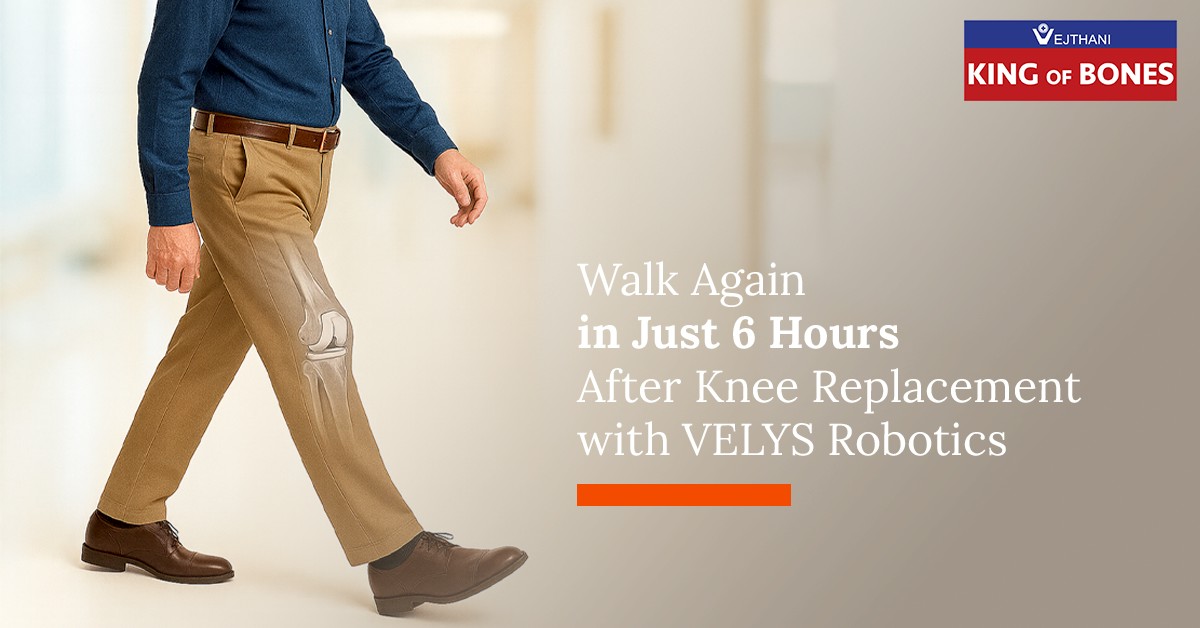
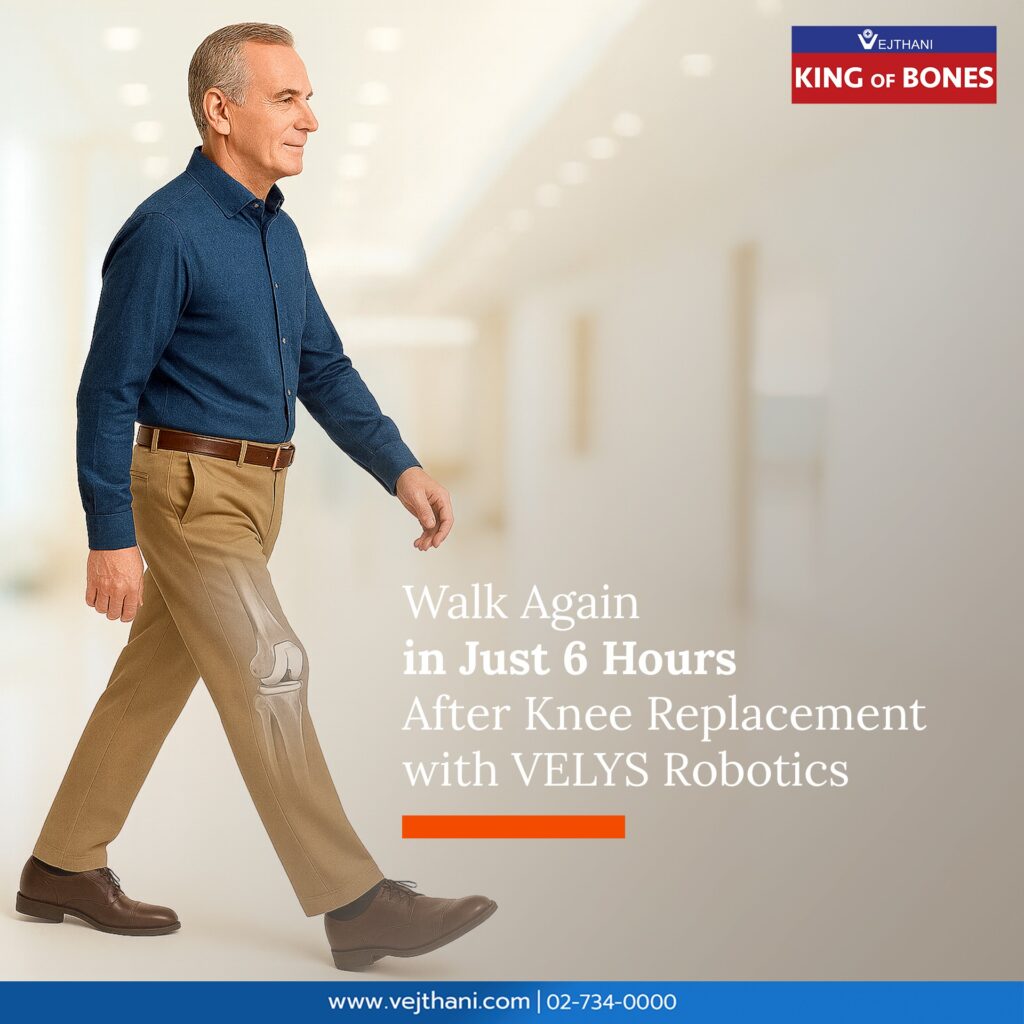
Walk Again in Just 6 Hours After Knee Replacement with VELYS Robotics

knee replacement

Knee pain, stiffness, and discomfort during walking can indicate early knee osteoarthritis. Without timely treatment, the condition can progress, causing further cartilage wear, chronic inflammation, walking difficulties, and, eventually, the need for walking aids in daily life.

What is Knee Osteoarthritis?

Knee osteoarthritis occurs when the cartilage covering the joint surface deteriorates, causing the bones within the knee joint to rub against each other. This leads to pain, stiffness, tightness, and reduced mobility. It is common among older adults or individuals who have long subjected their knees to heavy use, such as frequent lifting, running, or climbing stairs.

The condition is increasingly seen in working-age and middle-aged individuals due to lifestyle habits such as prolonged kneeling, sitting on the floor, and excess body weight that place additional stress on the knee joint.

Symptoms of Knee Osteoarthritis

  1. Knee pain, especially when standing, walking, or climbing stairs
  2. Morning stiffness or stiffness after prolonged sitting
  3. Cracking, popping, or grinding sounds in the knee
  4. Swelling or fluid accumulation in the joint
  5. Knee deformity, such as bowlegs or knock-knees

If left untreated, symptoms may worsen over time, affecting mobility, daily activities, and overall quality of life.

Causes of Knee Osteoarthritis

  1. Age: Natural decline in the body’s ability to repair cartilage increases the risk.
  2. Gender: Women, particularly those over 50 or post-menopause, have a higher risk than men.
  3. Excess body weight: Adds pressure on the knees, accelerating inflammation and joint degeneration.
  4. Genetics: A family history may increase susceptibility, although not directly inherited.
  5. Improper knee usage: Heavy or repetitive knee movements, frequent stair climbing, prolonged kneeling, squatting, or sitting cross-legged.
  6. Previous knee injuries: Accidents or sports injuries such as meniscus or ligament tears, can increase the risk of early joint degeneration.
  7. Weak supporting structures: Lack of exercise can weaken the muscles and ligaments around the knee, reducing joint stability.
  8. Underlying medical conditions: Rheumatoid arthritis, gout, SLE, and certain blood disorders may also contribute to knee degeneration.

Diagnosis

Your doctor will begin with a detailed medical history, physical examination, and assessment of knee mobility. Imaging studies such as X-ray or MRI may be used to evaluate cartilage damage and surrounding tissues, allowing your specialist to design the most suitable treatment plan.

Treatment Options

Treatment depends on the severity of the condition and may include:

Non-surgical Options

  1. Weight control
  2. Physiotherapy and strengthening exercises
  3. Knee injections (medication or joint lubricants)
  4. Anti-inflammatory medications

If symptoms are severe and conservative treatments are no longer effective, your doctor may recommend Total Knee Replacement (TKR).

Next-Generation Knee Replacement with the VELYS™ Robotic System

Modern knee replacement is not just about “replacing the joint”, it is about restoring your quality of life.

VELYS™ Robotic-Assisted Solutions (VRAS), the 4th-generation robotic technology, enhances surgical precision, safety, and personalization for each patient.

Benefits of the VELYS™ Robotic System

  1. 3D knee imaging for personalized surgical planning
  2. Real-time assessment of leg alignment and joint stability
  3. Reduced impact on surrounding tissues
  4. Faster recovery, less pain, and extended implant durability
  5. Improved movement that feels as natural as possible

Why Personalized Alignment Matters

The VELYS™ system is not a “one-size-fits-all” approach. It uses the patient’s real movement data, walking patterns, knee bending angles, and bone alignment to ensure:

  1. The implant fits seamlessly with the patient’s anatomy
  2. The surgeon achieves optimal precision
  3. Movement feels natural, with faster recovery and confidence in every step

Because VELYS™ does not simply “assist surgery”, it helps you walk againwith your natural movement.

Who is VELYS™ Suitable For?

Ideal candidates include people who:

  1. Have moderate to severe knee osteoarthritis
  2. Have not improved with standard treatments
  3. Want faster recovery and less postoperative pain
  4. Seek a precise and safe surgical option

VELYS™ Robotic-Assisted Solutions

An advancement in knee replacement surgery, enhancing precision, safety, and recovery to restore quality of life.

FAQ: Knee Osteoarthritis

  • How is knee osteoarthritis treated?

Start with weight management, exercise, and physiotherapy. For advanced cases, robotic-assisted knee replacement with VELYS™ may be recommended for higher precision and faster recovery.

  • How long is the recovery after VELYS™ robotic knee replacement?

Most patients can walk within 6 hours after surgery and return to everyday life faster.

  • How is VELYS™ different from conventional knee replacement?

VELYS™ provides real-time 3D imaging, precise implant placement, reduced tissue trauma, less pain, faster recovery, and movement that feels more natural.

For more information, please contact:

Hip and Knee Center, Vejthani International Hospital
Call: (+66)2-734-0000 Ext. 2222, 2223
English Hotline: (+66)85-223-8888