Pediatric Fatty Liver Disease: What Parents Need to Know
Health Articles
Select Topic
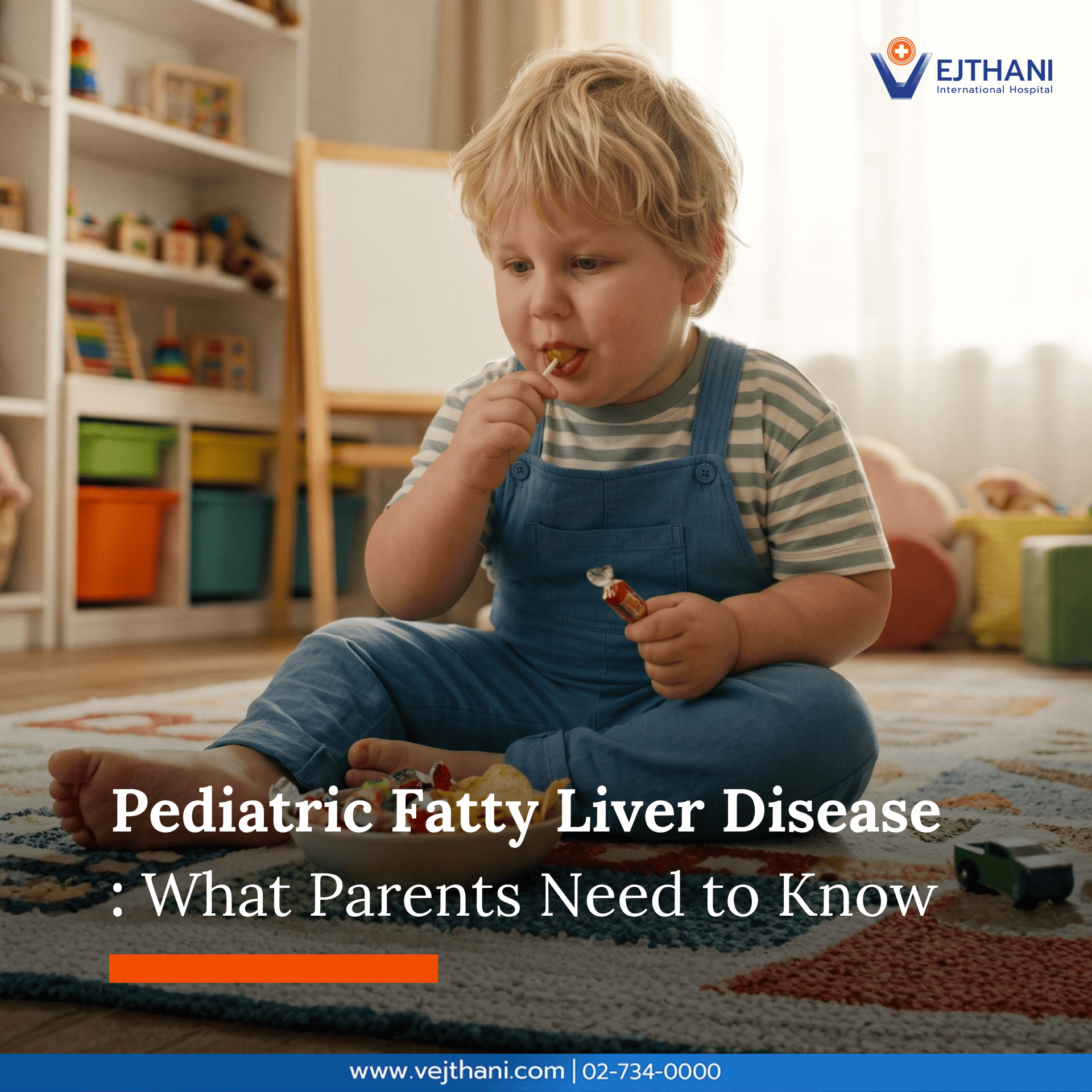
Pediatric fatty liver disease is caused by excess fat building up in the liver. The condition is also called metabolic dysfunction-associated steatotic liver disease (MASLD), previously known as nonalcoholic fatty liver disease (NAFLD). It is commonly associated with obesity, insulin resistance, and metabolic health problems. Some children may develop the condition even without obvious risk factors.
The condition often develops silently and may not cause noticeable symptoms in its early stages. As a result, many children are diagnosed only during routine health screenings or evaluations for abnormal liver test results. In some cases, additional assessment with non-invasive imaging technologies, such as FibroScan (transient elastography), may help evaluate liver fat accumulation and liver stiffness. It also provides information about liver health without the need for invasive procedures.
Although early-stage fatty liver disease is often reversible, it should not be overlooked. Without appropriate management, excess fat in the liver may progress to inflammation, fibrosis, and long-term liver damage. Early diagnosis and timely intervention can help protect liver function and support a child’s overall health and development.
Understanding Pediatric Fatty Liver Disease
Fatty liver disease is being diagnosed more frequently in children and adolescents worldwide. It reflects the increasing prevalence of obesity and metabolic health disorders at younger ages. The condition occurs when excess fat accumulates within liver cells, potentially affecting normal liver function over time.
Pediatric fatty liver disease often develops without noticeable symptoms. Many cases are detected only when routine blood tests show elevated liver enzymes or imaging reveals fatty liver. Early recognition is important, as timely intervention may help prevent disease progression and reduce the chance of long-term liver complications.
What are the Signs and Symptoms of Pediatric Fatty Liver Disease
Pediatric fatty liver disease, or metabolic dysfunction-associated steatotic liver disease (MASLD), often causes no symptoms, especially in the early stages. Routine blood tests can help detect the condition. When symptoms do occur, they may include:
Fatigue or decreased energy levels
Persistent discomfort or aching in the upper right abdomen
An enlarged liver (hepatomegaly), which may be detected during a physical examination
Darkened skin around the neck, underarms, or groin (acanthosis nigricans)
Children with obesity, insulin resistance, type 2 diabetes, or other metabolic risk factors may have a higher risk of developing fatty liver disease. Because symptoms are often absent or nonspecific, medical evaluation is important for early detection.
How to Diagnose Pediatric Fatty Liver Disease
Transient elastography (FibroScan) is an advanced, non-invasive test that evaluates liver health. It measures liver stiffness and estimates the extent of liver fibrosis. Quick, painless, and child-friendly, the examination can also evaluate liver fat accumulation, making it an important tool for assessing children with suspected fatty liver disease. It also tracks changes in liver health over time.
Diagnosing fatty liver disease in children requires a comprehensive evaluation. Doctors will review the child’s medical history, assess metabolic risk factors such as obesity and insulin resistance, and perform a physical examination to understand the child’s overall health. Diagnosis often includes liver function tests, such as alanine aminotransferase (ALT) and aspartate aminotransferase (AST), which indicate liver inflammation. An abdominal ultrasound can also help detect excess fat accumulation in the liver.
Treatment for Pediatric Fatty Liver Disease
Treatment approaches for Pediatric Fatty Liver Disease (MASLD) focus on improving metabolic health, reducing liver fat accumulation, and preventing disease progression. Management typically includes lifestyle modification, weight management, and ongoing medical monitoring.
Lifestyle Modification Lifestyle modification remains the primary treatment for pediatric MASLD. Adopting healthy eating habits can help reduce liver fat and improve metabolic function. This includes limiting sugar-sweetened beverages, refined carbohydrates, and ultra-processed foods while eating more vegetables, fruits, whole grains, and lean proteins.
Healthy Weight For children who are overweight or obese, gradual and sustainable weight reduction may improve liver enzyme levels and reduce fatty liver. Sustained lifestyle modifications are typically more effective and easier to maintain than restrictive diets that focus on short-term weight loss.
Medical Treatment and Monitoring Doctors may recommend treatment for associated conditions such as obesity, insulin resistance, type 2 diabetes, or dyslipidemia when appropriate. Losing at least 10% of body weight could help achieve the best results; even a more modest reduction, around 3% to 5%, can still produce meaningful improvements.
For patients accompanied by moderate to severe scarring of the liver, two FDA-approved medications are currently available: resmetirom (Rezdiffra) and semaglutide. Both work by helping decrease fat buildup and fibrosis in the liver. However, neither drug is suitable for patients who have already progressed to cirrhosis; at that stage, a liver transplant may become necessary.
Children with MASLD often require periodic monitoring of liver enzymes, metabolic health markers, and overall growth and development. Specialist referral may be considered when liver disease progresses or persists despite lifestyle intervention.
Prevention of Pediatric Fatty Liver Disease
Healthy Eating Habits: Keeping a balanced diet can help reduce the risk of developing fatty liver disease. Limiting sugar-sweetened beverages, refined carbohydrates, and ultra-processed foods, while encouraging nutrient-rich foods such as vegetables, fruits, whole grains, and lean protein, may help reduce liver fat accumulation.
Physically Active: Routine physical activity improves insulin sensitivity and supports healthy weight management. Children should aim for at least 60 minutes of moderate-to-vigorous physical activity each day through active play, sports, or structured exercise.
Maintaining Healthy Growth: Supporting healthy growth and preventing excessive weight gain can help lower the risk of fatty liver disease. Consistent lifestyle habits are generally more effective than short-term dietary restrictions.
Monitoring Metabolic Health: Early identification of insulin resistance, cholesterol, and other metabolic abnormalities allows timely intervention. Children with obesity or a family history of metabolic disease may benefit from closer medical follow-up.
Routine Health Check-ups: Regular pediatric check-ups help monitor growth, nutrition, and metabolic health. Liver function testing may be recommended for children who have risk factors associated with fatty liver disease.
When to Seek Medical Advice
Parents should consider seeking medical advice if a child has risk factors associated with fatty liver disease, including obesity, insulin resistance, type 2 diabetes, or abnormal cholesterol levels. Medical evaluation may also be appropriate when routine blood tests reveal elevated liver enzymes or imaging studies suggest fat accumulation in the liver.
Although fatty liver disease often causes no obvious symptoms, persistent fatigue, unexplained abdominal discomfort, or signs of metabolic dysfunction should not be ignored. Early assessment can help identify liver abnormalities before severe liver condition develops and allows timely intervention when needed.
Children with suspected fatty liver disease may benefit from a comprehensive evaluation that considers growth, nutrition, metabolic health, and liver function. At Vejthani International Hospital’s Super Kids Center, pediatric specialists work closely with multidisciplinary teams to provide individualized assessment and management for children with liver and metabolic conditions.
If your child has symptoms, risk factors, or concerns that may be associated with pediatric fatty liver disease, consulting a pediatric specialist can help provide clarity and appropriate guidance for your child’s long-term health.
Frequently Asked Questions About Pediatric Fatty Liver Disease
Can children recover from fatty liver disease?
Yes. In many cases, early-stage pediatric fatty liver disease can improve significantly and may even be reversed through healthy lifestyle changes, weight management, and regular medical follow-up.
Is fatty liver disease dangerous for children?
Although many children have no symptoms, untreated fatty liver disease may progress to liver inflammation, fibrosis, and long-term liver damage. Earlier diagnosis and management can help reduce these risks.
Can a child develop fatty liver disease without obesity?
Yes. While obesity is a major risk factor, some kids may develop fatty liver disease due to genetic factors, metabolic abnormalities, or other underlying health conditions.
Does every child with fatty liver disease need FibroScan?
Not necessarily. The decision to perform FibroScan depends on the child’s clinical condition, laboratory findings, and overall risk profile. Doctors will determine which diagnostic tests are most appropriate.
We use cookies to manage your personal information in order to provide you with the best personalized user experience on our website. If you continue using the website, we assume that you accept all cookies on the website. Find out more.