
What Numbness Location Says About Your Nerves
Numbness of the thumb, point-finger, middle-finger, and ring-finger (Half part of the ring-finger): This might be a sign of pinched nerve in the hand (Carpal tunnel syndrome)
Select Topic
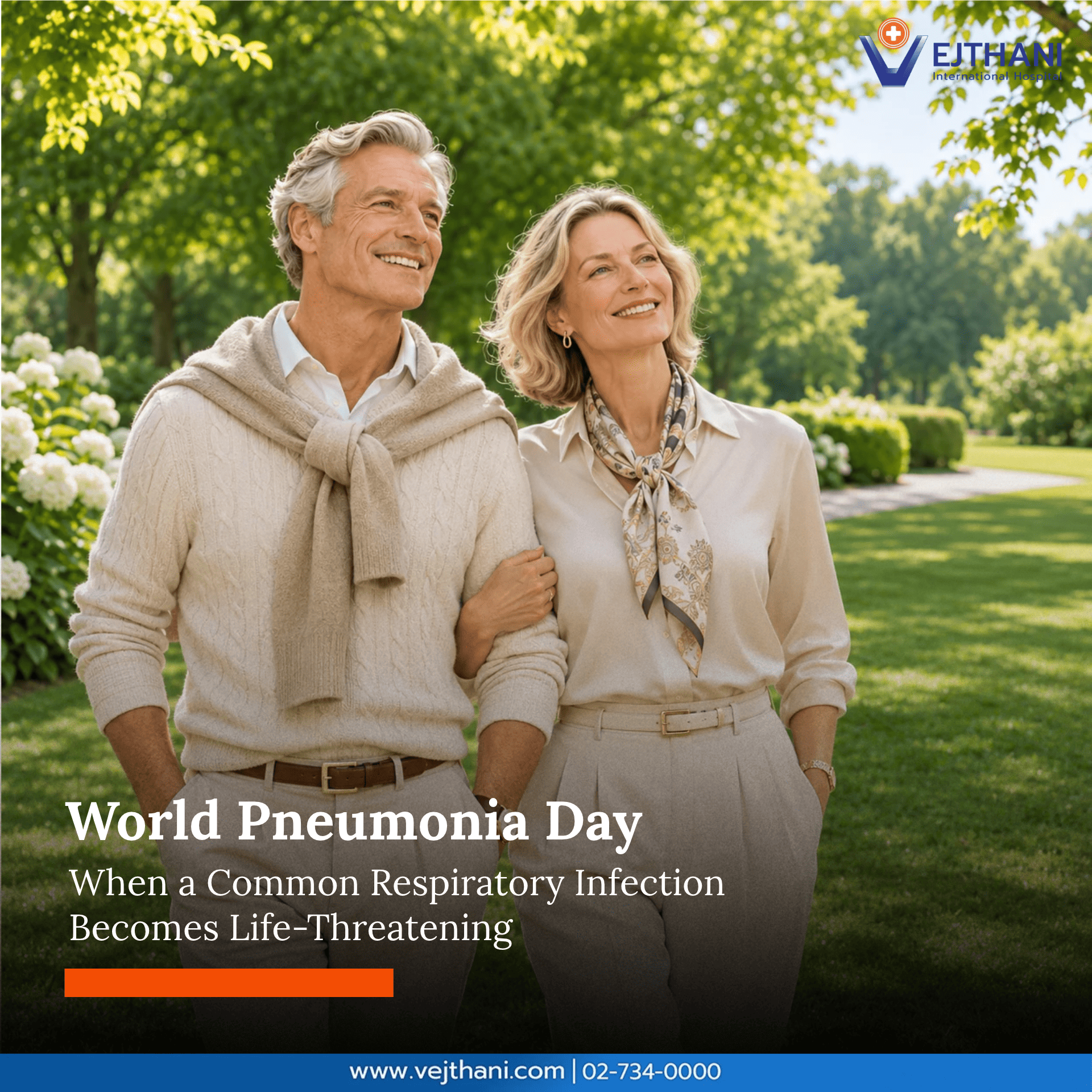
People tend to overlook the severity of pneumonia, yet lung infection continues to threaten lives worldwide. A cough or fever may seem harmless at first, but pneumonia can quickly become serious, especially for young children, older adults, and people with underlying health conditions. World Pneumonia Day 2026, on November 12, draws attention to these often-overlooked risks and highlights the importance of recognizing symptoms early, seeking timely treatment, and preventing infection.
In 2009, a coalition of international health organizations launched World Pneumonia Day to address a major public health concern that had received far too little attention. Although vaccines and effective treatments have helped reduce pneumonia-related deaths, the disease continues to affect millions of people worldwide.
Every November 12, World Pneumonia Day brings governments, healthcare professionals, and communities together to promote prevention and improve access to essential medical care. The campaign also highlights healthcare inequalities that leave vulnerable populations without timely vaccination, diagnosis, or treatment.
An estimated 2.5 million people died from lower respiratory infections in 2023, according to the Global Burden of Disease (GBD 2023) study. The figure includes pneumonia and bronchiolitis, with children under five accounting for approximately 610,000 deaths.
Bacteria, viruses, and sometimes fungi can cause infections that trigger inflammation deep within the lungs. These infections affect the tiny air sacs called alveoli, which normally transfer oxygen into the bloodstream. As the immune system fights the infection, several changes can interfere with normal breathing.
As the infection progresses, even simple activities such as walking or getting out of bed may leave patients short of breath. Some develop dangerously low oxygen levels and need hospital treatment to help them breathe.
Although pneumonia can affect anyone, age, existing medical conditions, and lifestyle factors can increase the likelihood of infection or serious complications. Certain groups need extra precautions, especially when respiratory symptoms develop.
For people in these higher-risk groups, early medical assessment becomes especially important when a respiratory illness causes worsening symptoms or breathing difficulties.
A persistent cough, fever, or unusual fatigue may initially resemble a common cold or the flu. As pneumonia affects the lungs, some people develop more noticeable breathing difficulties, while others experience symptoms that vary by age and overall health.
Common signs and symptoms of pneumonia include:
Not everyone experiences the same symptoms. Older adults may develop confusion, unusual drowsiness, or a lower-than-normal body temperature rather than a typical fever. Young children may breathe rapidly, struggle to feed, or become unusually irritable.
Seek emergency medical care if someone experiences severe breathing difficulties, blue or gray lips, sudden confusion, or reduced alertness. These symptoms may indicate dangerously low oxygen levels or other serious complications.
Diagnosing pneumonia involves more than identifying a lung infection. Doctors also need to assess how severely the infection affects breathing and whether the patient requires hospital care. Physical examination, medical history, and chest imaging tests help guide the diagnosis, while additional tests can provide a clearer picture of the patient’s condition.
Depending on the clinical findings, doctors may recommend:
Identifying the cause of pneumonia helps doctors choose the right treatment. Bacterial infections often require antibiotics, while viral and fungal infections may need different medications. Doctors also assess illness severity, oxygen levels, and underlying health conditions to determine whether patients can recover at home or need hospital care.
Treatment approaches include:
Recovery may take several weeks, even after treatment begins to control the infection. Some patients improve within days, while older adults and people with chronic illnesses may need longer to regain their strength. Doctors monitor the response to treatment and adjust care if symptoms persist or worsen.
Vaccination is one of the most effective ways to reduce the risk of certain types of pneumonia, particularly among young children, older adults, and people with underlying health conditions. Although vaccines cannot prevent every case, combining recommended vaccinations with preventive habits can help reduce the risk of infection and serious complications.
Several measures can help protect against pneumonia:
People at higher risk should discuss recommended vaccinations and preventive care with their healthcare providers. The right combination of protection can lower the likelihood of infection and reduce the risk of severe illness.
Early medical attention can make a significant difference when pneumonia develops, particularly for older adults and people with underlying health conditions. At Vejthani International Hospital, patients can consult medical professionals for respiratory health assessments, diagnostic tests, and treatment based on each patient’s l conditions. As World Pneumonia Day 2026 reminds us, recognizing the risks and taking preventive measures can help protect lung health and reduce the likelihood of serious complications.
Some infections that cause pneumonia can spread from person to person through respiratory droplets and particles released when coughing, sneezing, or breathing. However, not all types of pneumonia are contagious. Transmission risk depends on the underlying cause, such as a virus, bacterium, or aspiration.
Vaccination, good hand hygiene, avoiding tobacco smoke, and managing chronic health conditions can help lower the risk of pneumonia. Pneumococcal, influenza, and other recommended vaccines offer protection against certain infections that may cause pneumonia, although no single measure can prevent every case.
Influenza, or the flu, is a viral infection that commonly affects the upper respiratory tract and commonly causes fever, cough, muscle aches, and fatigue. Pneumonia is an infection that inflames the air sacs in the lungs and can result from bacteria, viruses, or fungi. Influenza can sometimes lead to pneumonia, particularly in older adults and people with weakened immune systems.
For more information, please contact
Internal Medicine Center, Vejthani International Hospital
Call: (+66)2-734-0000 Ext. 2200, 2272
English Hotline: (+66)85-223-8888

Internal Medicine
Pulmonary Medicine and Pulmonary Critical Care