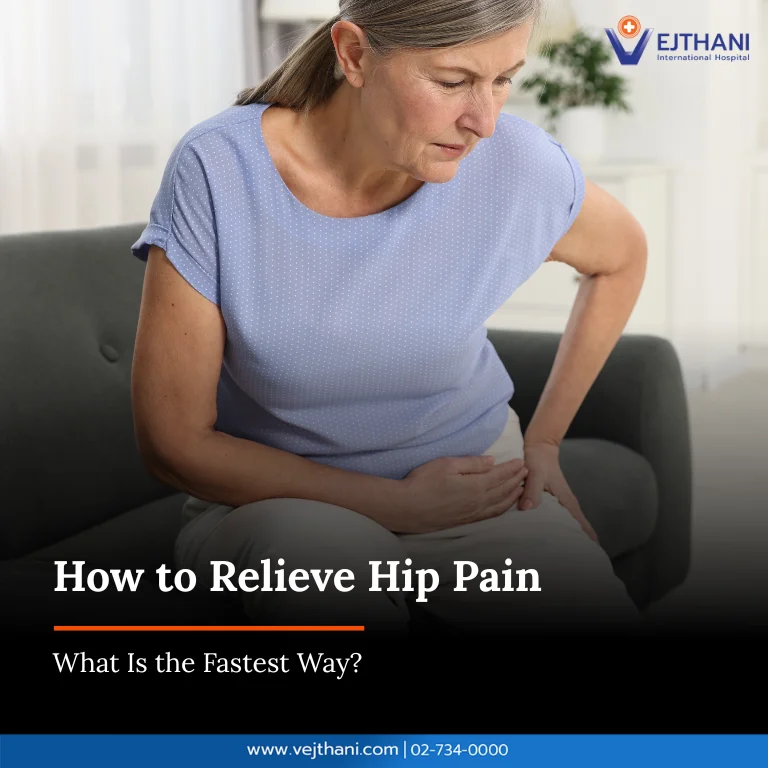
Hip pain can be a frustrating and debilitating condition, making simple activities like walking, sitting, or even sleeping a challenge. When you’re dealing with this kind of discomfort, you’re likely asking yourself, “what is the fastest way to relieve hip pain?” The good news is, there are several effective strategies that can help you find quick relief and get back to your daily life.
What Causes Hip Pain
Understanding the root cause of your hip pain is the first step toward effective treatment. Hip pain can arise from a variety of factors, including injuries, chronic conditions, and general wear and tear.
Here are some of the most common causes:
Arthritis: This is a frequent cause of hip pain, especially in older adults. It involves the breakdown of cartilage in the joint, leading to pain and stiffness.
Bursitis: This occurs when the bursae, small, fluid-filled sacs that cushion the hip joint, become inflamed.
Labral Tear: An injury to the cartilage rim around the hip socket, which can be caused by trauma or repetitive movements.
Tendinitis: Inflammation of the tendons around the hip, often due to repetitive stress or overuse.
Hip fracture: A serious injury, often requiring immediate medical attention.
5 Fastest Ways to Relieve Hip Pain
When you’re searching for what is the fastest way to relieve hip pain, a combination of approaches is often the most effective. Here are 5 fastest ways to relieve hip pain, ranging from non-invasive to more advanced medical procedures.
1. Physical Therapy
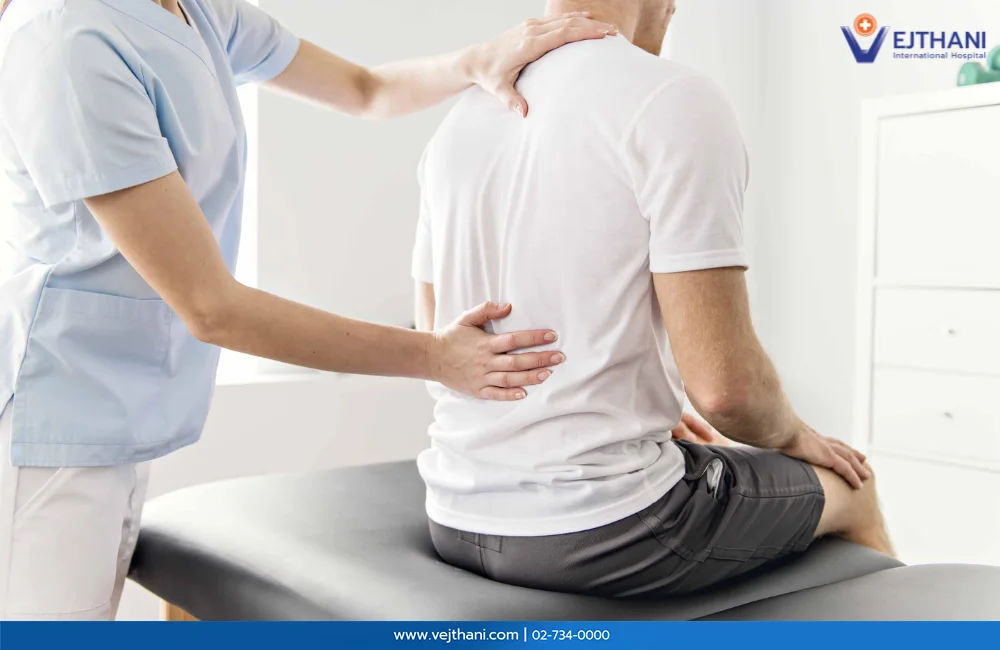
Physical therapy is a powerful tool for hip pain relief. A physical therapist can create a personalized program of exercises and stretches to strengthen the muscles around your hip, improve your flexibility, and enhance joint function. This not only helps relieve current pain but also works to prevent future issues. It’s a proactive and highly effective method for long-term hip health.
2. Prescription Medication
For more severe or persistent pain, your doctor may prescribe stronger medications. While over-the-counter options like ibuprofen can help with inflammation, prescription pain relievers or anti-inflammatory drugs might be necessary to manage intense discomfort. These are typically used for a short period to provide significant relief and allow you to begin other therapies, like physical therapy.
3. Injections
Injections are a rapid and targeted way to reduce hip pain and inflammation. Doctors can inject a corticosteroid directly into the hip joint or bursa (a fluid-filled sac) to provide significant, often immediate, relief. This approach is especially effective for conditions like arthritis or bursitis when other methods haven’t worked. Injections can offer a quick solution and can be part of a larger treatment plan.
4. Surgery
When other treatments fail to provide relief, surgery may be considered. For severe arthritis, hip surgery can involve replacing the damaged joint with a new one, a procedure known as hip replacement. In cases of a labral tear, hip arthroscopy, a minimally invasive surgical procedure, can be performed to repair the labrum . While surgery is a more significant step, it can be the fastest way to relieve hip pain permanently for chronic, severe conditions.
5. Other Therapies
Beyond traditional medical treatments, other therapies can also contribute to hip pain relief. Alternative options such asdry needling, or Trigger Point Injection, or High Intensity Laser Therapy or Peripheral Magnetic Stimulation, can be beneficial, especially when combined with other medical treatments. These therapies can help improve circulation, reduce muscle tension, and provide a holistic approach to managing discomfort, all of which contribute to finding what is the fastest way to relieve hip pain.
Advanced Healthcare Solutions at Vejthani International Hospital
Vejthani International Hospital is a leading medical institution for advanced healthcare solutions. For those suffering from chronic and severe hip pain, we offer comprehensive care, including the latest hip replacement surgeries. These procedures provide a long-lasting solution, helping patients regain full range of motion and an improved quality of life.
Frequently Asked Questions
When you’re dealing with hip pain, you likely have many questions about how to manage it. Here are some of the most common ones.
1. How do I get rid of hip pain asap?
For chronic hip pain you can try applying heat patch to the affected area to reduce inflammation, taking over-the-counter pain relievers, and resting to avoid further strain. For a more lasting solution, consult with a doctor to find what is the fastest way to relieve hip pain in your specific case.
2. Should I keep walking with hip pain?
It’s important to listen to your body. While low-impact activities like walking can be beneficial, if walking causes sharp or worsening pain, you should rest and seek medical advice.
3. What can cause hip pain in a woman?
Women are more susceptible to certain conditions that cause hip pain, such as hip dysplasia or Avascular Necrosis and certain types of arthritis. Additionally, pregnancy can cause hip pain due to hormonal changes and increased weight.
4. Which exercise is best for hip pain?
Low-impact exercises are generally best. Water aerobics, cycling, and gentle stretches can help strengthen the muscles around the hip without putting excessive stress on the joint.
We use cookies to manage your personal information in order to provide you with the best personalized user experience on our website. If you continue using the website, we assume that you accept all cookies on the website. Find out more.