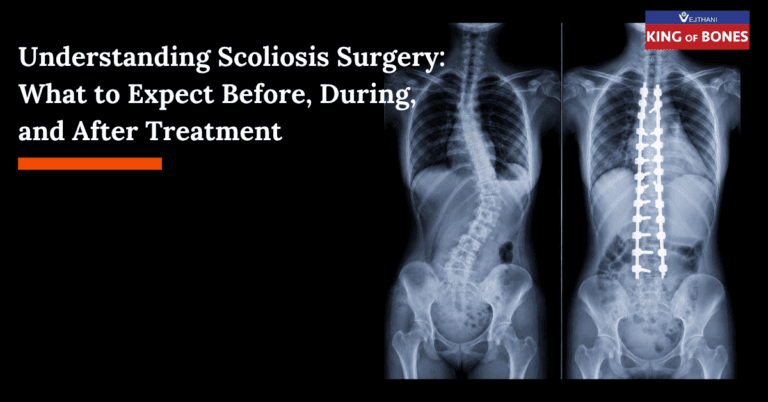
Understanding Scoliosis Surgery: What to Expect Before, During, and After Treatment
Scoliosis can be a frustrating condition that causes a great deal of pain and discomfort. Doctors work to present as many quality solutions for scoliosis
Select Topic
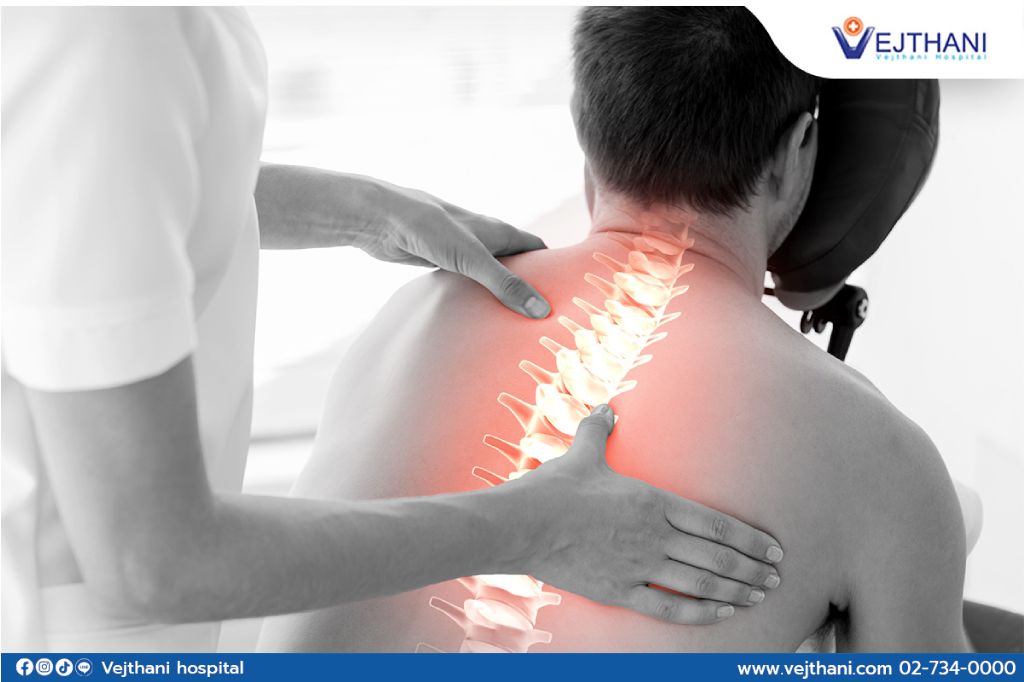
Back pain is one of the most common musculoskeletal conditions affecting adults worldwide. It may arise from several causes, including spinal disc problems, nerve compression, degenerative changes, or inflammation around the spine. When symptoms persist despite conservative care, doctors may consider additional treatment options to help reduce inflammation and improve function.
An approach that may be recommended in selected cases is epidural steroid injection (ESI). This procedure is commonly used in modern spine care to help relieve nerve irritation associated with certain spinal conditions.
At Vejthani International Hospital, spine specialists evaluate each patient individually to determine whether this procedure may be an appropriate component of a broader treatment plan.
Back pain can develop from a variety of structural or inflammatory conditions affecting the spine, surrounding muscles, ligaments, or nerves.
Common underlying causes include:
Symptoms may vary from localized discomfort to radiating pain that travels along the nerve pathway, sometimes affecting the buttocks, legs, or feet.
When nerve irritation occurs, patients may also experience:
Because these symptoms may overlap with other conditions, a proper medical evaluation is necessary to determine the underlying cause.
An epidural steroid injection is a minimally invasive medical procedure that delivers anti-inflammatory medication into the epidural space, the area surrounding the spinal nerves.
The injected medication typically includes:
The primary goal of this procedure is to reduce inflammation around the affected nerve root, which may help decrease pain and improve mobility in certain patients.
An epidural steroid injection may be considered when back pain is associated with nerve inflammation or compression and when symptoms persist despite initial conservative treatments.
The doctor may evaluate this option in the following conditions:
At Vejthani International Hospital, treatment decisions are made after a comprehensive assessment that may include physical examination, medical history, and imaging studies such as MRI or CT scans.
According to Dr. Pattara Kosanunt, Spine Specialist at Vejthani International Hospital, epidural steroid injections are used as part of a multidisciplinary approach to spine treatment. With extensive experience in treating varying levels of complexity in spinal conditions, allowing accurate diagnosis and make precise treatment decisions.
The procedure requires high precision to target the affected spinal nerves and reduce inflammation. In some cases, diagnostic techniques such as selective nerve root blocks are used to confirm the exact source of pain.
Dr. Pattara also emphasizes that treatment outcomes may vary depending on the underlying condition, severity, and overall health of the patient, reflecting a personalized and experience-based approach to care.
Epidural steroid injections are usually performed in a controlled clinical environment by a trained spine specialist.
The procedure generally involves:
Epidural steroid injection typically takes a short time, and most patients are able to return home the same day after observation.
Epidural steroid injections may offer potential benefits for selected patients experiencing nerve-related symptoms.
Possible benefits include:
However, outcomes can vary. Some patients may experience symptom relief, while others may have limited improvement.
As with any medical procedure, there are also potential risks that should be discussed with a qualified physician.
At Vejthani International Hospital, spine specialists apply evidence-based practices and international medical standards when evaluating treatment options for patients with spinal disorders.
Nerve-related spinal pain may result from herniated discs, spinal stenosis, degenerative changes in the spine, or inflammation of the nerve roots.
The procedure is intended to deliver anti-inflammatory medication near irritated spinal nerves, which may help reduce inflammation and alleviate symptoms in selected patients.
No. It is generally considered a minimally invasive procedure performed using imaging guidance and local anesthesia.
The injection procedure itself is typically short, although total clinic time may be longer due to preparation and post-procedure observation.
No. Treatment decisions depend on the underlying cause, severity of symptoms, and the physician’s evaluation. Many cases may be managed with other approaches.
In some cases, symptom improvement may reduce the need for surgery. However, this varies widely depending on the specific spinal condition.
Spine Center, Vejthani Hospital
Call 02-7340000 or Ext. 5500
English Hotline: (+66)8-522 38888