Colonoscopy: Your Key to Colon Cancer Prevention
The lifetime risk of developing colorectal cancer is approximately 1 in 25 for both men and women.
Select Topic
Colon cancer, often referred to as colorectal cancer, is one of the most common forms of cancer people experienced. Understanding the disease is essential for patients seeking both treatment and prevention. So, what is the difference between colon and colorectal cancer?
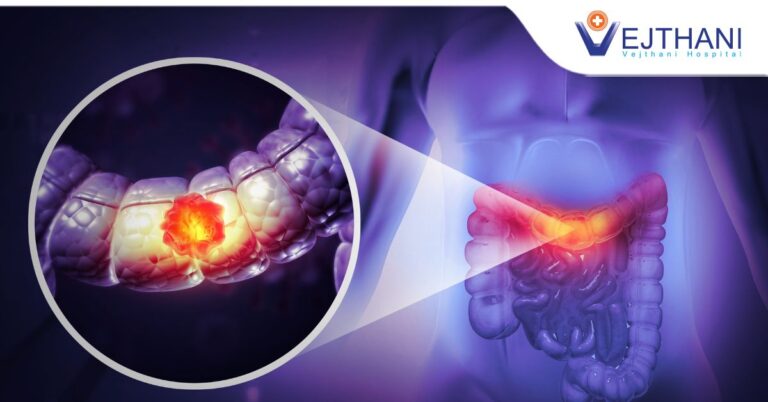
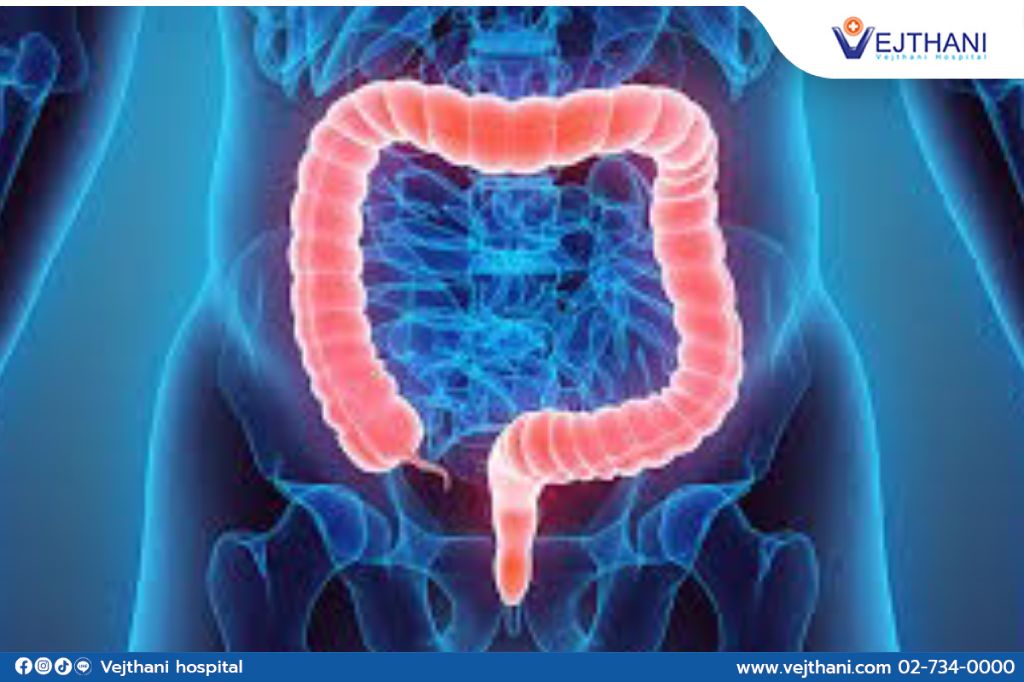
Colon cancer is a malignancy that begins in the colon or large intestine. The large intestine is a long tube-like organ near the end of the digestive system. After food passes through the stomach and small intestine, the colon is responsible for removing fluid and some nutrients from the food you eat. The colon then pushes the remaining solid waste into the rectum where it is expelled from the body.
Colorectal cancer is another commonly used term that includes not only cancers of the colon, but also cancers that form in the rectum. The rectum is the last part of the large intestine where stool, the body’s waste product, is expelled through the anus.
In this article, we’re going to discuss the four critical areas of colorectal cancer’s journey: signs and symptoms; risks factors; early prevention; and treatment options.
Although colorectal cancer typically affects older people, it can happen at any time of life. Cancer typically starts as small, noncancerous (benign) cell clumps inside the colon called polyps. If left untreated, polyps may become malignant (cancerous) and grow into the muscle layers underneath and then through the bowel wall.
In the early stages of the disease, many people with colorectal cancer experience few or no symptoms. When symptoms do appear, they’ll likely vary, depending on cancer’s size and location.
Some common signs and symptoms to look out for include:
Factors that may increase your risk of getting colorectal cancer include, but are not limited to, the following:
Prevention is always the best medicine. Most doctors recommend that people with an average risk of colorectal cancer get a screening starting from the age of 50. However, anyone considered high risk, i.e., a family history of cancer, should get screened considerably earlier and more often.
There are many options for screening colorectal cancer, such as colonoscopy, stool occult blood test, barium enema, and CT colonoscopy.
One of the best things you can do to avoid getting colorectal cancer is to make significant changes to your everyday habits, for example:
If the worst does happen, there are many treatments options available. Depending on the individual patient’s cancer stage and other medical factors, a treatment program would include surgery; radiation; targeted therapy; immunotherapy; and drug treatments, such as chemotherapy. If caught early enough, modern cancer treatments have a high success rate.
In the past, when the patients were diagnosed with colorectal cancer, they had to undergo a major operation which ended up with a large abdominal wound or ostomy (an artificial opening of intestine on the abdominal wall). Nowadays, the surgery is not that frightening anymore, unlike in the past because of the advanced laparoscopic and endoscopic techniques.
If colorectal cancer is caught at the early stages, it can be cured with an endoscopic intervention that would not leave any abdominal wound. Even in the patients who need the resection or the surgical removal of the colon, the surgery is done with advanced minimally invasive laparoscopic techniques, which are more precise and cause less pain.
If you are seeking for colorectal cancer advice, screening or treatment in Bangkok, reach out to the Cancer Center at Vejthani Hospital today for a specialized consultation with one of our expert physicians.