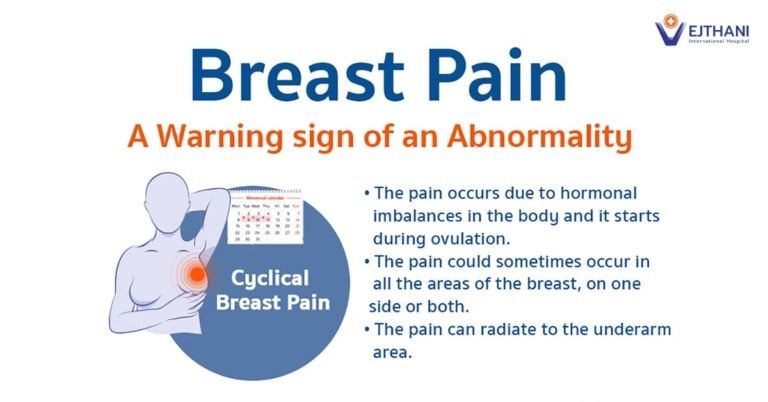
Breast Pain: Warning Signs and Reasons Your Breasts May Hurt
Breast pain in women can be one of the risk factors of breast cancer. When symptoms arise, patient must seek an immediate medical attention to rule

Select Topic
Persistent fatigue, unexplained weight changes, or blood pressure that suddenly becomes harder to control can have many causes. In some people, adrenal gland disorders disrupt hormone production and trigger these changes. Because adrenal disorder symptoms can look similar to other health problems, some forms of adrenal gland disease may remain difficult to spot until several symptoms appear together.
Several hormones from the adrenal glands help control blood pressure, blood sugar, metabolism, fluid balance, and the body’s response to stress. Cortisol, aldosterone, and adrenaline affect these functions in different ways. If the adrenal glands produce too much or too little of certain hormones, the effects may appear as fatigue, weight changes, abnormal blood pressure, or other symptoms that seem unrelated at first.
Low cortisol levels impact energy, appetite, blood pressure, and digestion. Over time adrenal insufficiency symptoms may include persistent fatigue, muscle weakness, nausea, dizziness when standing, loss of appetite, or unexplained weight loss. In primary adrenal insufficiency, some people may also notice salt cravings or darkening of the skin in certain areas.
Adrenal crisis can worsen quickly and cause a dangerous drop in blood pressure. Warning signs may include:
Immediate treatment with corticosteroids and intravenous fluids are essential to replace the missing cortisol and support blood pressure.
An overproduction of adrenal hormones does not produce the same symptoms in every condition. Excess cortisol tends to cause gradual physical and metabolic changes, whereas aldosterone primarily affects blood pressure and potassium balance. Catecholamine excess often appears differently, with sudden episodes rather than steady symptoms.
High cortisol levels over time can lead to weight gain, especially around the abdomen and face, along with thinner arms and legs, easy bruising, muscle weakness, and higher blood sugar. Some people also develop high blood pressure or wide purple stretch marks. This pattern can occur with Cushing syndrome, which develops when the body has prolonged exposure to too much cortisol.
Too much aldosterone causes the body to retain more sodium and lose more potassium, which can raise blood pressure over time. This hormonal imbalance, known as primary aldosteronism, may also cause muscle weakness, cramps, or excessive thirst in some people. Doctors may consider an adrenal cause when high blood pressure becomes difficult to control or occurs together with low potassium levels.
Sudden episodes of severe headache, heavy sweating, a pounding heartbeat, or a sharp rise in blood pressure may be linked to a pheochromocytoma. This adrenal tumor releases high levels of adrenaline and noradrenaline, which can cause symptoms to appear suddenly and ease between episodes.
Adrenal tumors fall into two broad groups. Functioning tumors release excess hormones. Some produce cortisol or aldosterone, while pheochromocytomas release catecholamines. Nonfunctioning tumors do not produce clinically significant hormone excess and often cause no symptoms. Doctors frequently discover them during imaging for an unrelated condition.
Adrenal disorders do not share a single cause. Some damage the adrenal glands and reduce hormone production, while others increase hormone levels through tumors, abnormal signaling, or medication use. Common causes include:
Testing usually depends on the symptoms and which hormone may be out of balance. Doctors may use hormone tests first, then add imaging if they need a closer look at the adrenal glands.
Treatment depends on the hormone involved, the cause of the imbalance, and its effects on the body.
Adrenal insufficiency requires medication to replace the cortisol the body cannot make in sufficient amounts. Primary adrenal insufficiency may also require medication to replace aldosterone and help maintain blood pressure and salt balance.
Too much cortisol, aldosterone, or other adrenal hormones can affect the body in different ways. Doctors sometimes use medication to slow hormone production or block its effects, depending on what is driving the hormone level up.
Surgery may be an option for adrenal tumors that produce too much hormone or have features that raise concern. Doctors also look at the tumor’s size, growth, imaging findings, and overall condition before deciding whether removal is appropriate.
Adrenal gland disorders can affect several parts of the body through changes in cortisol, aldosterone, and other hormones. Persistent symptoms, unusual blood pressure changes, or signs of hormone imbalance deserve a closer look to identify the underlying cause. The Endocrinology, Diabetes & Clinical Nutrition Center at Vejthani Hospital provides specialist evaluation and diagnostic services for endocrine conditions, helping patients determine the cause of hormone-related symptoms and plan treatment based on their individual conditions.
Common symptoms of Adrenal Gland Disorders include ongoing fatigue, muscle weakness, unexplained weight changes, abnormal blood pressure, dizziness, changes in blood sugar levels, headaches, or excessive sweating. The symptoms vary depending on which adrenal hormone is too high or too low.
Women may experience many of the same symptoms as men, including fatigue, muscle weakness, unexplained weight changes, dizziness, and abnormal blood pressure. Depending on the hormone involved, certain adrenal disorders may also affect menstrual cycles or cause increased facial or body hair.
Yes, too much aldosterone can raise blood pressure and lower potassium levels. A pheochromocytoma can also cause sudden rises in blood pressure, often together with headaches, sweating, or a pounding heartbeat.
No. An adrenal gland tumor may produce excess hormones and cause symptoms, or it may remain nonfunctioning and cause no noticeable changes. Doctors sometimes find these tumors unexpectedly during CT or MRI scans performed for another reason.
For more information, please contact
Endocrinology Diabetes & Clinical Nutrition Center, Vejthani International Hospital
Call: (+66)2-734-0000 Ext. 1071, 1072
English Hotline: (+66)85-223-8888