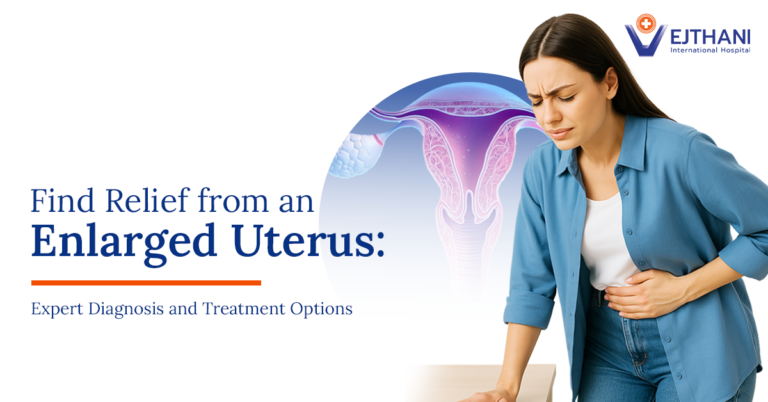
Find Relief from an Enlarged Uterus: Expert Diagnosis and Treatment Options
Expert diagnosis and effective treatments for an enlarged uterus. Early care can relieve symptoms, support fertility, and improve quality of life.
Select Topic
Adenomyosis develops when tissue resembling the uterine endometrial cells is present within the muscle of the uterus. The condition may lead to heavier or longer periods, intense cramping during menstruation, discomfort in the pelvic area, or pain during sexual intercourse. However, not everyone with adenomyosis experiences noticeable symptoms.
The condition is benign but can affect quality of life when symptoms are severe or persistent. Because adenomyosis can cause symptoms similar to other gynecologic conditions, such as endometriosis and uterine fibroids, an accurate diagnosis is important to determine the most appropriate treatment.
Adenomyosis is a condition in which endometrial tissue is found within the muscle of the uterus. This tissue continues to react to hormonal changes throughout the menstrual cycle. Over time, this can irritate the surrounding muscle and cause the uterine wall to become thicker. In some cases, the uterus may also become enlarged or sensitive to pressure.
It is still unclear why adenomyosis develops. However, several factors have been associated with the condition, including hormonal influences, inflammation, and previous uterine surgery or procedures. Adenomyosis may occur alone or alongside other gynecologic conditions, including endometriosis and uterine fibroids.
Normally, the inner lining of the uterine cavity is called the endometrium, while the myometrium is the muscular wall.
Because this tissue responds to hormonal changes throughout the menstrual cycle, it may cause changes within the uterine muscle. These changes can contribute to painful periods, heavy periods, discomfort or pain in the pelvis, and a uterus that becomes larger than normal.
Adenomyosis does not affect everyone in the same way. Some people may experience significant discomfort, while others have few or no symptoms. When symptoms occur, common adenomyosis symptoms may include:
Some people with adenomyosis have only mild symptoms, while others do not notice any symptoms at all. Since similar signs may occur with endometriosis, uterine fibroids, and other conditions, the gynecologist will provide further investigation for a more accurate diagnosis
The exact cause of adenomyosis is not fully understood. Researchers believe that several factors may contribute to the development of the condition, but no single cause has been confirmed.
Possible factors associated with adenomyosis include hormonal influences, changes in uterine tissue, and inflammation. Previous pregnancy or childbirth and certain procedures involving the uterus have also been associated with a higher likelihood of developing the condition.
Adenomyosis may also occur alongside other gynecologic conditions, such as endometriosis or uterine fibroids. However, these conditions do not necessarily cause adenomyosis.
Adenomyosis is more commonly diagnosed in people during their reproductive years. Some factors that may be associated with a higher risk include:
Having one or more of these factors does not mean that a person will develop adenomyosis. Likewise, adenomyosis can occur in people without any known risk factors.
Doctors diagnose adenomyosis by looking at your symptoms, medical history, physical examination, and imaging results. Because the symptoms can resemble those of other gynecologic conditions, more than one assessment may be needed.
Diagnosis Without Surgery
In many cases, adenomyosis can be evaluated without surgery. Doctors can use symptoms, examination findings, and imaging results to support the diagnosis.
An endometrial biopsy is not usually used to diagnose adenomyosis because the condition affects the muscular wall of the uterus rather than only the uterine lining.
Adenomyosis, endometriosis, and uterine fibroids can cause similar symptoms, including painful periods, pelvic pain, and heavy menstrual bleeding. However, they are different conditions that affect different parts of the reproductive system.
| Adenomyosis | Endometriosis | Uterine Fibroids | |
| What it is | Tissue similar to the uterine lining grows into the muscular wall of the uterus. | Tissue similar to the uterine lining grows outside the uterus. | Noncancerous growths that develop from the muscle and connective tissue of the uterus. |
| Where it develops | Within the uterine muscle (myometrium) | Outside the uterus, such as around the ovaries, fallopian tubes, or pelvic tissues | Within or around the uterus |
| Common symptoms | Heavy or prolonged periods, severe menstrual cramps, pelvic pain, and an enlarged or tender uterus | Pelvic pain, painful periods, pain during sex, and sometimes difficulty becoming pregnant | Heavy or prolonged periods, pelvic pressure, pelvic pain, or frequent urination |
| How it is evaluated | Usually with transvaginal ultrasound | Medical history, examination, and imaging; laparoscopy may be considered in some cases | Usually with ultrasound and sometimes MRI |
| Treatment | Depends on symptoms, severity, age, and pregnancy plans | Depends on symptoms, location, severity, and pregnancy plans | Depends on size, location, symptoms, and individual circumstances |
Although these conditions are different, they can occur simultaneously. A medical evaluation can help determine which condition is causing your symptoms and guide appropriate treatment.
The approach to adenomyosis treatment depends on your symptoms, their severity, your age, and whether you plan to become pregnant. Some people may not need treatment if they have no symptoms, while others may need medication or surgery to manage persistent or severe symptoms.
Medications can help relieve pain and reduce heavy menstrual bleeding. Depending on your symptoms and pregnancy plans,
Choices of medication:
When symptoms do not improve with medication or significantly affect daily life, other treatment options may be considered. These can include procedures that target adenomyosis while preserving the uterus, as well as surgery to remove the uterus in selected cases.
The most appropriate approach depends on the extent of the disease, symptoms, previous treatments, and whether you wish to preserve fertility. Your doctor can discuss the benefits, limitations, and potential risks of each option before deciding on a treatment plan.
Adenomyosis may affect fertility and pregnancy in some people, although not everyone with the condition will have difficulty becoming pregnant. The possible effects can vary depending on the extent of the condition and other factors affecting reproductive health.
Some studies suggest that adenomyosis may be associated with reduced fertility or difficulty becoming pregnant. Changes in the uterine muscle and inflammation may affect the environment needed for implantation and pregnancy.
However, adenomyosis is not the only factor that can affect fertility. Your doctor may evaluate other conditions, such as endometriosis, uterine fibroids, or problems with ovulation, when assessing fertility.
People with adenomyosis can become pregnant and have healthy pregnancies. However, some studies have found an association between adenomyosis and an increased risk of certain pregnancy complications.
If you are pregnant or planning to become pregnant, your doctor may recommend appropriate monitoring based on your individual health and pregnancy history.
Adenomyosis is a benign condition and is not cancer. However, heavy bleeding and persistent pain may affect your daily life and lead to other health concerns.
The condition does not affect everyone in the same way. If symptoms become more severe or painful, or interfere with daily life, a medical evaluation can help determine whether treatment is needed.
You should see a gynecologist if menstrual changes, pelvic pain, or other symptoms become persistent, severe, or interfere with your daily life.
Consider making an appointment if you have:
Early evaluation can help identify the cause of your symptoms and determine whether treatment is needed. At Vejthani International Hospital’s Women’s Health Center, obstetricians and gynecologists provide evaluation and treatment for a range of women’s health concerns, supported by diagnostic services, including gynecologic ultrasound. Depending on the patient’s symptoms and clinical findings, care may also involve gynecologists with expertise in gynecologic laparoscopy and reproductive medicine.
A personalized evaluation helps doctors determine the underlying cause of symptoms and select an appropriate treatment approach based on the patient’s condition and reproductive plans.
No. Adenomyosis is a benign condition and is not cancer. However, abnormal or persistent uterine bleeding should be evaluated by a doctor because other conditions can cause similar symptoms.
Adenomyosis may improve after menopause as estrogen hormone levels drop, but symptoms during the reproductive years may persist or vary over time. Treatment may be recommended when symptoms affect daily life.
Symptoms can change over time. Some people may experience worsening pain or heavier menstrual bleeding, while others may have stable or mild symptoms.
Yes. Many people with adenomyosis can become pregnant. However, the condition may affect fertility or be associated with certain pregnancy complications in some cases.
Yes. Adenomyosis can make periods heavier or last longer than usual. If this happens regularly, the continued loss of blood may eventually lead to iron deficiency anemia.
There is no single treatment that is best for everyone. Treatment depends on symptoms, severity, age, overall health, and plans for future pregnancy. Options may include medication, hormonal treatment, procedures, or surgery.
No. Medication or hormone-based therapy is often enough to control symptoms. Surgery is generally an option when symptoms become difficult to manage, continue despite medical treatment, or significantly affect daily life.
Women’s Health Center, Vejthani Hospital
Call 02-7340000 or Ext. 3200,3204
English Hotline: (+66)8-522 38888

Obstetrics and Gynaecology
Obstetrics Gynecology - Gynecologic Laparoscopy