
Egg Freezing, an Option for Your Future Baby
Do you know that the older you get, the harder you can get pregnant? It’s because of the decrease in your egg’s quality

Hand injuries are among the most frequent musculoskeletal problems encountered in clinical practice. They can involve the bones, joints, tendons, ligaments, nerves, vessels, or skin, with severity ranging from minor lacerations to complex fractures and soft-tissue damage. Early recognition of the injury type, associated symptoms, and appropriate treatment is crucial to preserve hand function and prevent long-term complications.
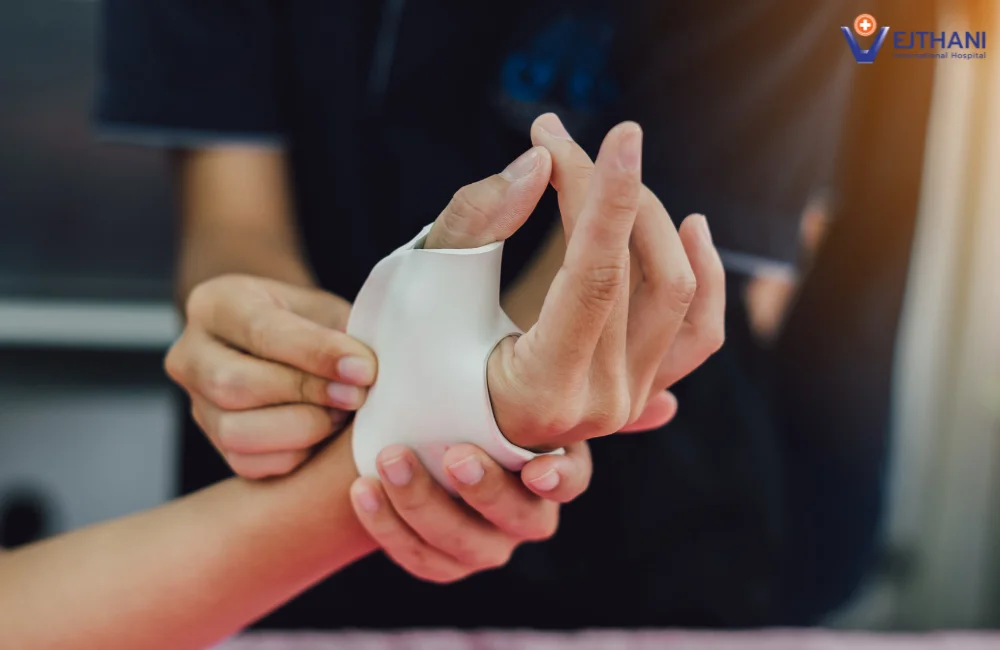
Hand injuries are a wide group of problems that can affect the skin, bones, tendons, nerves, and blood vessels. These injuries can happen suddenly from an accident or over time from repeated actions. Here are some of the common types of hand injuries and the parts of the hand they affect.
Tendons are strong cords that connect muscles to bones, allowing for movement. Tendon injuries often happen from deep cuts. There are two main types: flexor tendon injuries affect the tendons on the palm side that bend the fingers, and extensor tendon injuries affect the tendons on the back of the hand that straighten the fingers. If a serious tendon injury is not treated, it can lead to a lasting loss of function.
Nerves are like the wires of the body. They send messages from the brain to the muscles and carry feelings back to the brain. Nerve injuries can happen from deep cuts, crushing, or constant pressure. Symptoms can include numbness, tingling, or muscle weakness in the affected area. The healing process for a nerve injury is often slow, and sensations may not fully return to normal.
Crush injuries are severe problems that happen when the hand is squeezed or crushed between two heavy objects. These injuries can damage many parts at the same time, including the skin, muscles, tendons, nerves, and bones. Crush injuries often require immediate and extensive medical care to save the hand and help it work again.
A sprain is an injury to a ligament, which is the tough tissue connecting bones at a joint. A strain is an injury to a muscle or a tendon. Sprains and strains in the hand typically result from a sudden twist or a hit, such as from a fall or a sports accident. While often less severe than a fracture, they can still cause significant pain, swelling, and stiffness that takes time to heal.
Hand burns may result from exposure to heat, flames, chemicals, or electrical currents. Their severity can range from superficial injuries to deep tissue damage. Prompt first aid is essential to minimize complications, while many cases require specialized medical attention to promote proper healing and reduce the risk of scarring that may impair hand function.
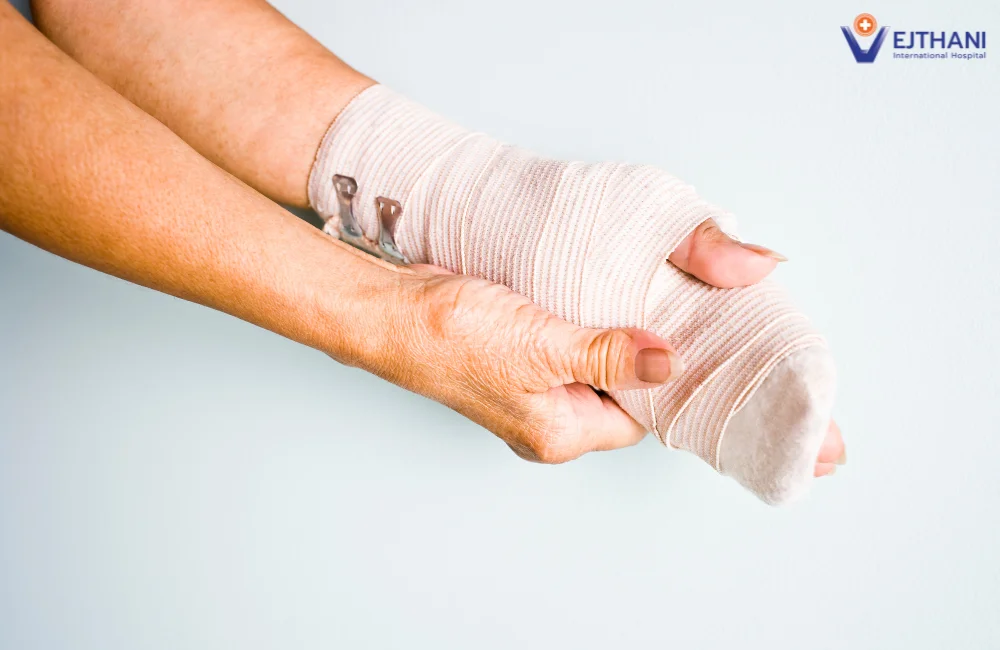
It is important to seek medical help immediately if your hand injury has any of these symptoms: severe swelling, bleeding that won’t stop, a visible deformity, numbness, cold fingers, or the inability to move your hand or fingers.
If a deep cut shows bone or tendons, you should go to the emergency room right away. For a sports injury, if the hand injury does not get better after a week or two, or if you continue to feel pain, you should see a hand specialist. Getting the right care quickly is the best way to heal completely and avoid long-term problems.