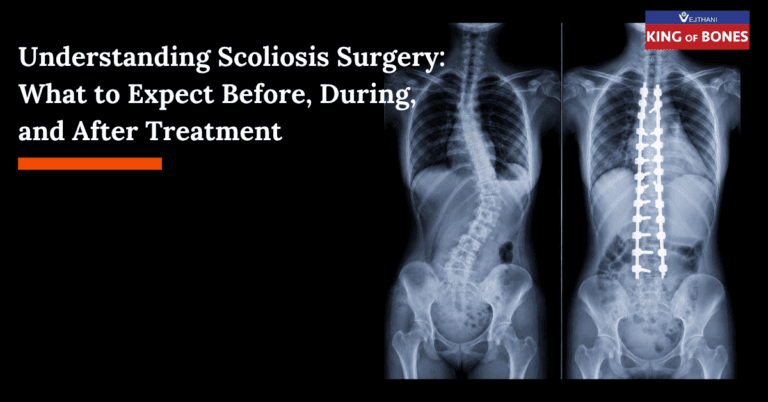
Understanding Scoliosis Surgery: What to Expect Before, During, and After Treatment
Scoliosis can be a frustrating condition that causes a great deal of pain and discomfort. Doctors work to present as many quality solutions for scoliosis
Select Topic
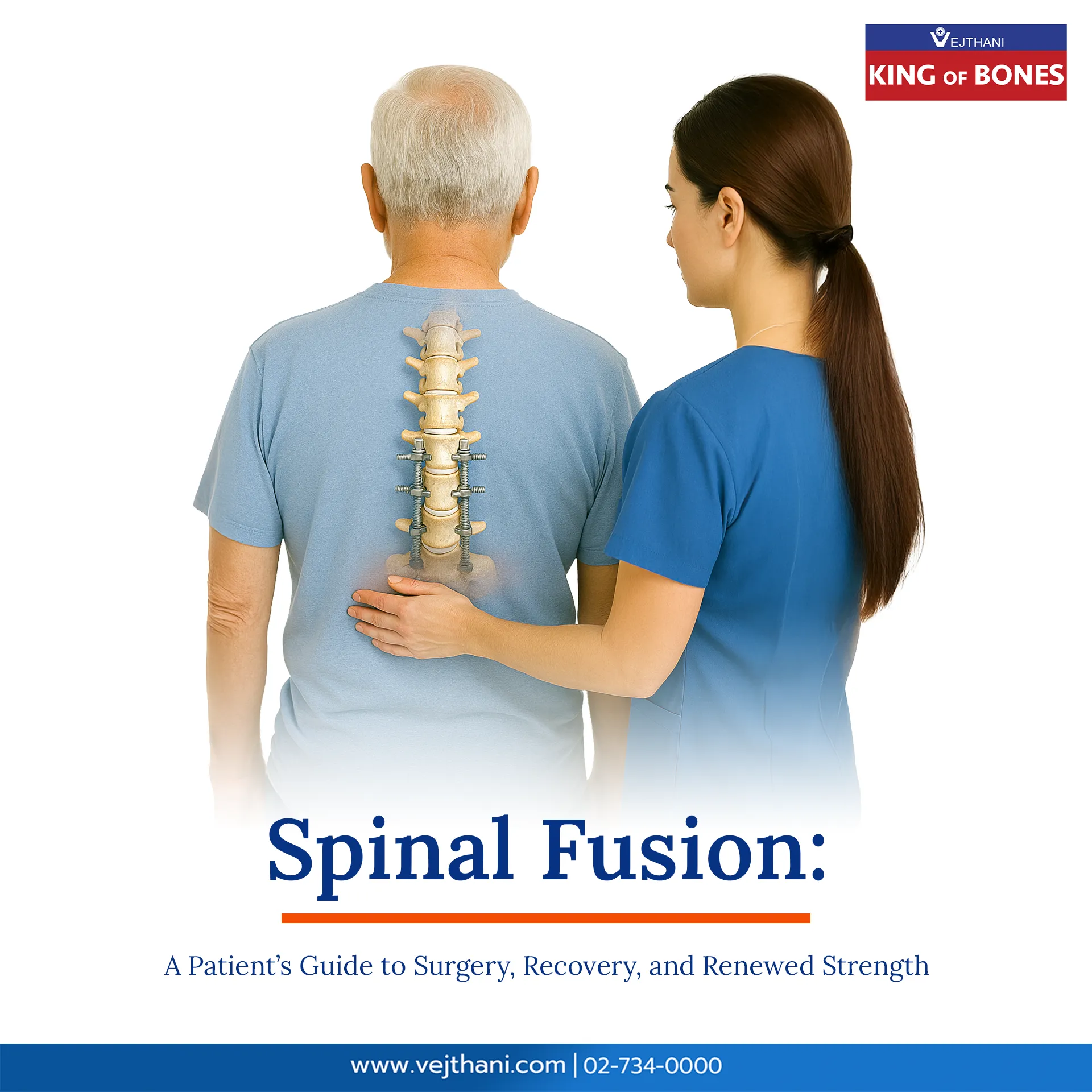
Spinal fusion is used to treat various back pain and spine issues. The surgery generally requires the participation of both neurologists or neurosurgeons and orthopedic surgeons.
The procedure connects two or more vertebrae in your spine to each other with bone grafts and holds the grafts together during recovery with small metal rods. This enables the vertebrae to form an interlocking column that helps strengthen the back and hold the body upright. Spinal fusion is used to treat conditions, including:
Spinal fusion surgery has three main parts:
Depending on the location of the area to be fused, the surgeon makes incisions either from the back to the side of the spinal column or directly over the spine. They can also access the spine from the front by cutting into the stomach area or throat.
The bone graft material comes from human-manufactured material or the pelvis of the person undergoing the surgery. To use the patient’s bone, the surgeon simply makes an incision near the pelvic bone, removes a small piece, and sutures the incision closed.
The surgeon places the bone graft material between the targeted bones and secures the grafts with metal screws, rods, or plates, depending on the condition. These hold the grafts in place until the surrounding bones can fuse with the graft materials.
For the first few days after leaving the hospital, monitor the wound and contact your doctor if you notice any of the following:
Spine surgery recovery may take months, or even more. To keep your spine aligned before physical therapy, your doctor may suggest a brace. This therapy focuses on spinal alignment during daily activities.
Physical therapy can also help you manage your activity levels and ensure your emotional and mental health throughout recovery.
If you have nagging or recurring back problems and are considering spinal fusion surgery, make an appointment with the Spine Center at Vejthani International Hospital and receive excellent care and treatment.
Spine Center, Vejthani Hospital
Call: (+66)2-734-0000 Ext. 5500
English Hotline: (+66)85-223-8888