Learn How to Treat Insertional Achilles Tendinopathy
Health Articles
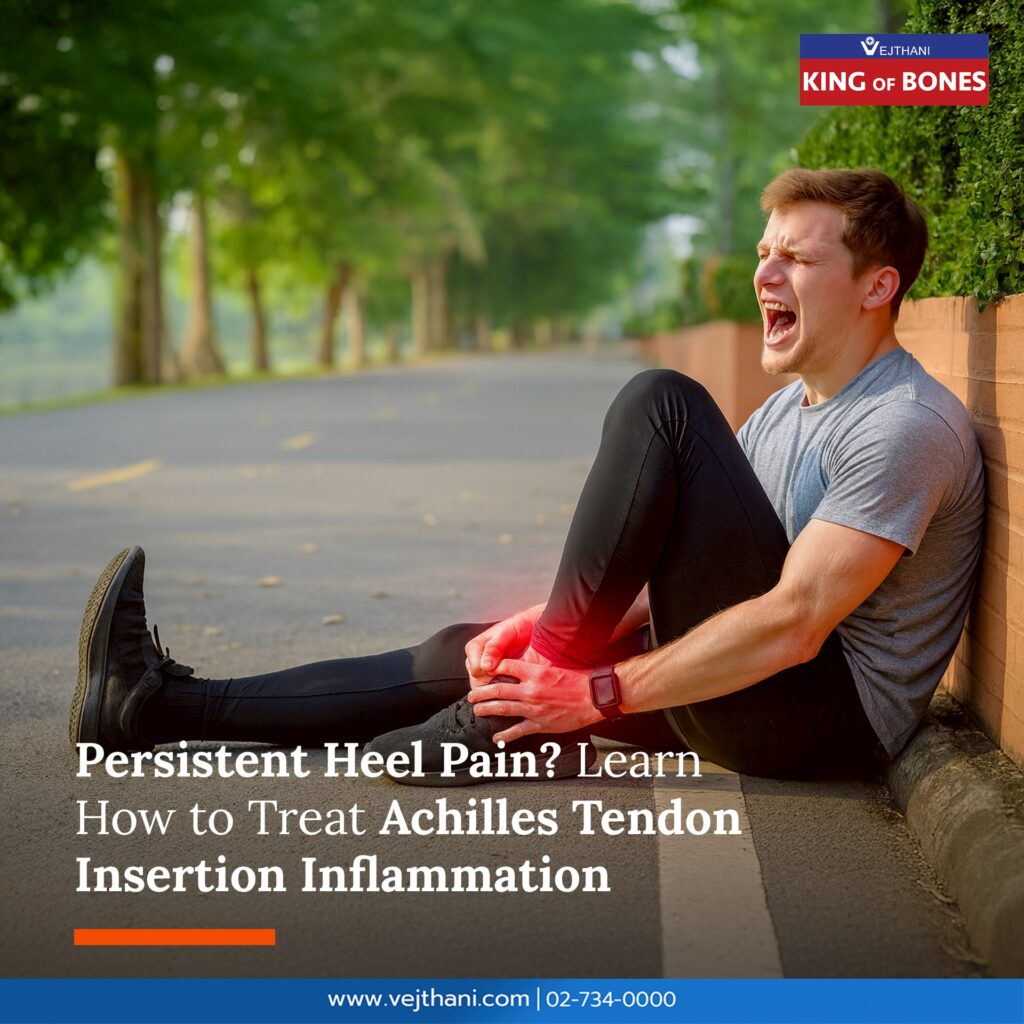
Pain at the back of the heel may not simply be routine soreness. It can be a sign of Insertional Achilles Tendinopathy, which often affects individuals who are engaged in intense exercise, athletes, and those who place repetitive stress on their feet every day. Without proper care, this condition may become chronic or even lead to tendon tears.
What Is Insertional Achilles Tendinopathy?
The Achilles tendon is the largest tendon in the body, connecting the calf muscles to the heel bone. When inflammation occurs at the tendon’s insertion point, it can cause pain, swelling, redness, or tenderness at the back of the heel—especially when standing, walking, or running.
Symptoms of Achilles Tendinitis
Pain at the back of the heel, especially in the morning or after exercise
Swelling and tenderness around the heel
In some cases, heel spurs may develop
Increased pain during running, jumping, or wearing shoes that irritate the heel
Causes of Insertional Achilles Tendinopathy
Repetitive stress such as long-distance running, jumping, or high-impact sports
Wearing improper footwear
Foot abnormalities, such as flat feet or a tight Achilles tendon
Age-related loss of tendon elasticity
Excess body weight, which increases pressure on the heel
Diagnosis
Doctors diagnose this condition through medical history, physical examination, and—if needed—ultrasound or MRI to assess severity and guide a personalised treatment plan.
Treatment Options for Achilles Tendinitis
Non-Surgical Treatment
This is the first-line approach, as most patients improve without surgery. It includes:
Rest and activity modification: Avoid activities that worsen symptoms, such as long-distance running or jumping, giving the tendon time to recover.
Cold compress: Helps reduce inflammation and swelling, especially during flare-ups.
NSAIDs (e.g., Ibuprofen, Naproxen): Reduce pain and inflammation.
Physical therapy: Includes calf stretching and ankle-strengthening exercises.
Supportive devices: Insoles or heel pads help reduce tension at the tendon insertion.
Shockwave therapy: Uses high-energy shockwaves to enhance blood flow and stimulate tendon healing. This technique has become increasingly popular.
Surgical Treatment
Surgery may be considered if symptoms persist for 6–12 months despite non-surgical treatment. Options include:
Debridement: Removing damaged tendon tissue to reduce inflammation and stimulate healing.
Removal of heel spurs: If bone spurs are causing friction at the tendon insertion.
Tendon repair: Recommended when partial tears are present.
Post-operative rehabilitation is essential to restore walking, running, and normal foot function.
Prevention
Warm up and stretch before exercising
Choose well-fitted shoes with good shock absorption
Increase exercise intensity gradually
Maintain a healthy body weight
Regularly stretch the Achilles tendon and calf muscles
Although this condition is not life-threatening, chronic symptoms can significantly affect daily life, making walking or exercising increasingly difficult. If you experience persistent heel pain, it is important to consult a doctor for timely diagnosis and treatment.
For more information, please contact:
Orthopedics Center,Vejthani International Hospital Tel. 02-734-0000 Ext. 2298 English Hotline: (+66)85-223-8888
We use cookies to manage your personal information in order to provide you with the best personalized user experience on our website. If you continue using the website, we assume that you accept all cookies on the website. Find out more.