Scoliosis Surgery: Benefits, Risks, and When Surgery is Recommended
Health Articles
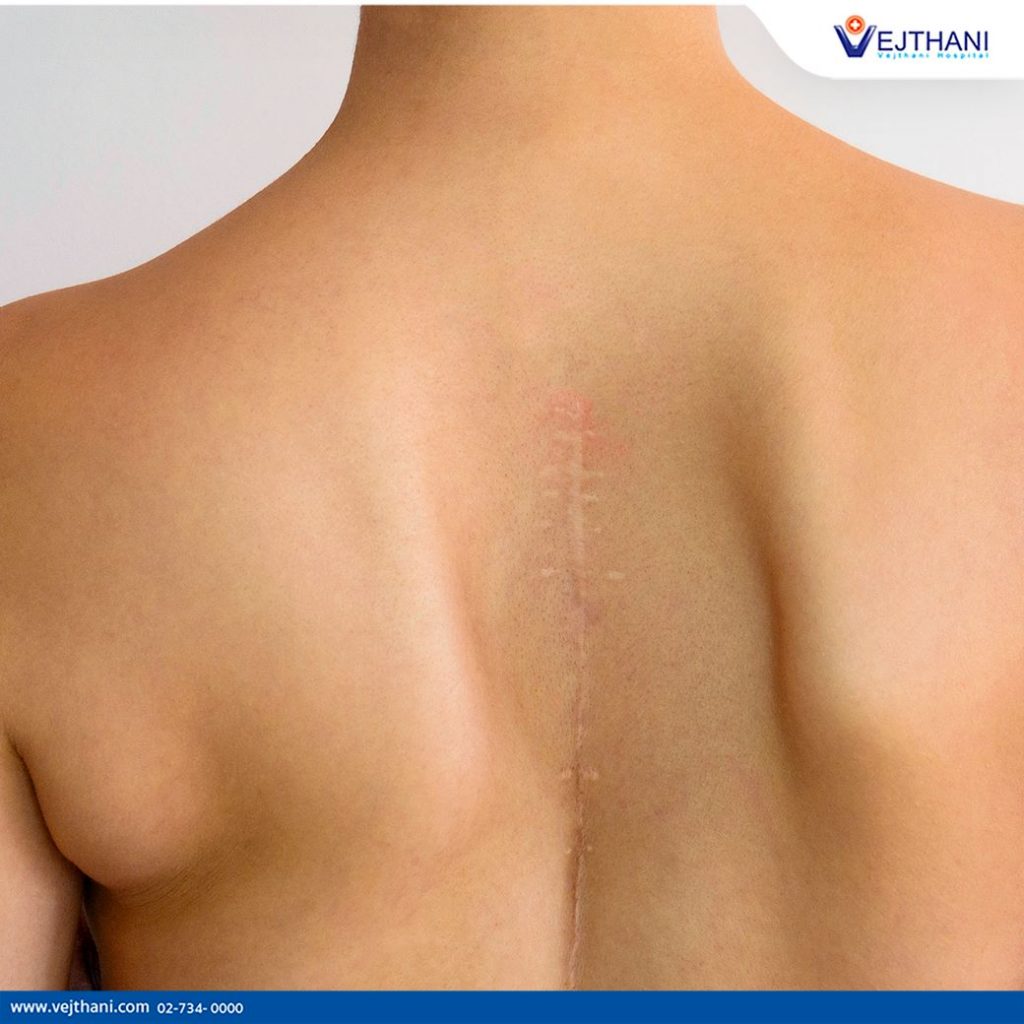
Scoliosis is a spinal condition characterized by an abnormal sideways curvature of the spine that may progress over time. While many patients can be managed with non-surgical treatment, scoliosis surgery may be considered in selected cases where the spinal curve is severe, progressive, or significantly affects daily function and quality of life.
At the Spine Center, Vejthani International Hospital, decisions regarding surgical treatment are based on comprehensive clinical assessment, imaging studies, and long-term outcome considerations. Because spinal surgery involves both potential benefits and risks, careful evaluation and shared decision-making are essential.
What Is Scoliosis?
Scoliosis is defined as a spinal curvature greater than 10 degrees, typically diagnosed during adolescence but also found in adults. The condition may be idiopathic, congenital, neuromuscular, or degenerative in origin.
While mild scoliosis may cause few symptoms, more advanced curvature can lead to back pain, muscle fatigue, postural imbalance, and in some cases, neurological symptoms due to nerve compression.
When Is Scoliosis Surgery Considered?
From clinical experience at the Spine Center, surgery is generally not the first line of treatment.
Scoliosis surgery may be considered when:
The spinal curve continues to progress despite non-surgical treatment
The curvature reaches a level that may affect spinal balance or organ function
Chronic pain interferes with daily activities and quality of life
Neurological symptoms such as leg pain, numbness, or weakness are present
Severe deformity is identified in growing children with risk of future complications
Importantly, surgery is recommended based on medical necessity rather than cosmetic concerns alone.
Benefits of Scoliosis Surgery
When appropriately indicated, scoliosis surgery may provide several clinical and functional benefits.
Correction and Stabilization of the Spine
The primary goal is to reduce abnormal curvature and stabilize the spine, helping to prevent further progression.
Pain Reduction
Some patients experience improvement in pain related to spinal imbalance, muscle strain, or nerve compression, although results vary.
Improved Posture and Function
By restoring spinal alignment, surgery may improve balance, posture, and the ability to perform daily activities.
Quality-of-Life Improvement
In clinical practice, selected patients report improved confidence and overall well-being following successful correction.
Risks and Limitations of Scoliosis Surgery
As with any major spinal procedure, scoliosis surgery carries potential risks and limitations that must be carefully considered.
Surgical and Neurological Risks
Because the spinal cord and nerves are involved, there is a small risk of neurological complications. These risks are minimized through advanced surgical techniques and intraoperative monitoring.
Recovery Time
Recovery can take several months to one year. Temporary discomfort and limited mobility are common during the healing process.
Pain May Persist
Surgery aims to correct deformity and prevent progression. Complete pain relief cannot be guaranteed in all patients.
Adult and Adolescent Scoliosis: Key Considerations
Adult Scoliosis
Adults may develop scoliosis due to degeneration of spinal structures or progression of adolescent scoliosis. Surgery may be considered when pain, nerve compression, or functional impairment does not respond to conservative treatment.
Adolescent Scoliosis
In adolescents, surgery is typically reserved for progressive curves that may worsen with growth. Timing is carefully planned to balance curve correction and ongoing development.
Each patient group requires individualized evaluation and long-term follow-up.
Diagnostic Evaluation Before Surgery
A thorough diagnostic process is essential before recommending scoliosis surgery and typically includes:
Detailed medical history and physical examination
Imaging studies such as X-ray, MRI, or CT scan
Assessment of spinal balance, curve severity, and overall health
This comprehensive approach helps ensure that surgery is recommended only when the potential benefits outweigh the risks.
Why Specialist Care Matters
Managing scoliosis, particularly when surgery is considered, requires expertise in spinal deformity treatment. At the Spine Center, Vejthani International Hospital, patients are cared for by a multidisciplinary team with experience in complex spinal conditions.
Clinical decisions are guided by evidence-based practice, patient-specific factors, and a commitment to long-term outcomes rather than short-term correction alone.
Frequently Asked Questions
Is scoliosis surgery always necessary? No. Most scoliosis cases can be managed without surgery, and treatment decisions depend on curve severity, symptoms, and progression.
At what degree of curvature is surgery recommended? Surgery may be considered when curves approach 40–50 degrees, particularly if progression or symptoms are present.
How long does recovery take? Initial recovery takes several weeks, while full recovery may take several months to one year.
Can adults undergo scoliosis surgery? Yes. Adults may be candidates when pain, nerve symptoms, or functional limitations persist despite non-surgical treatment.
For more information, contact
Spine Center, Vejthani International Hospital Call 02-7340000 or Ext. 5500 English Hotline: (+66)8-522 38888
We use cookies to manage your personal information in order to provide you with the best personalized user experience on our website. If you continue using the website, we assume that you accept all cookies on the website. Find out more.