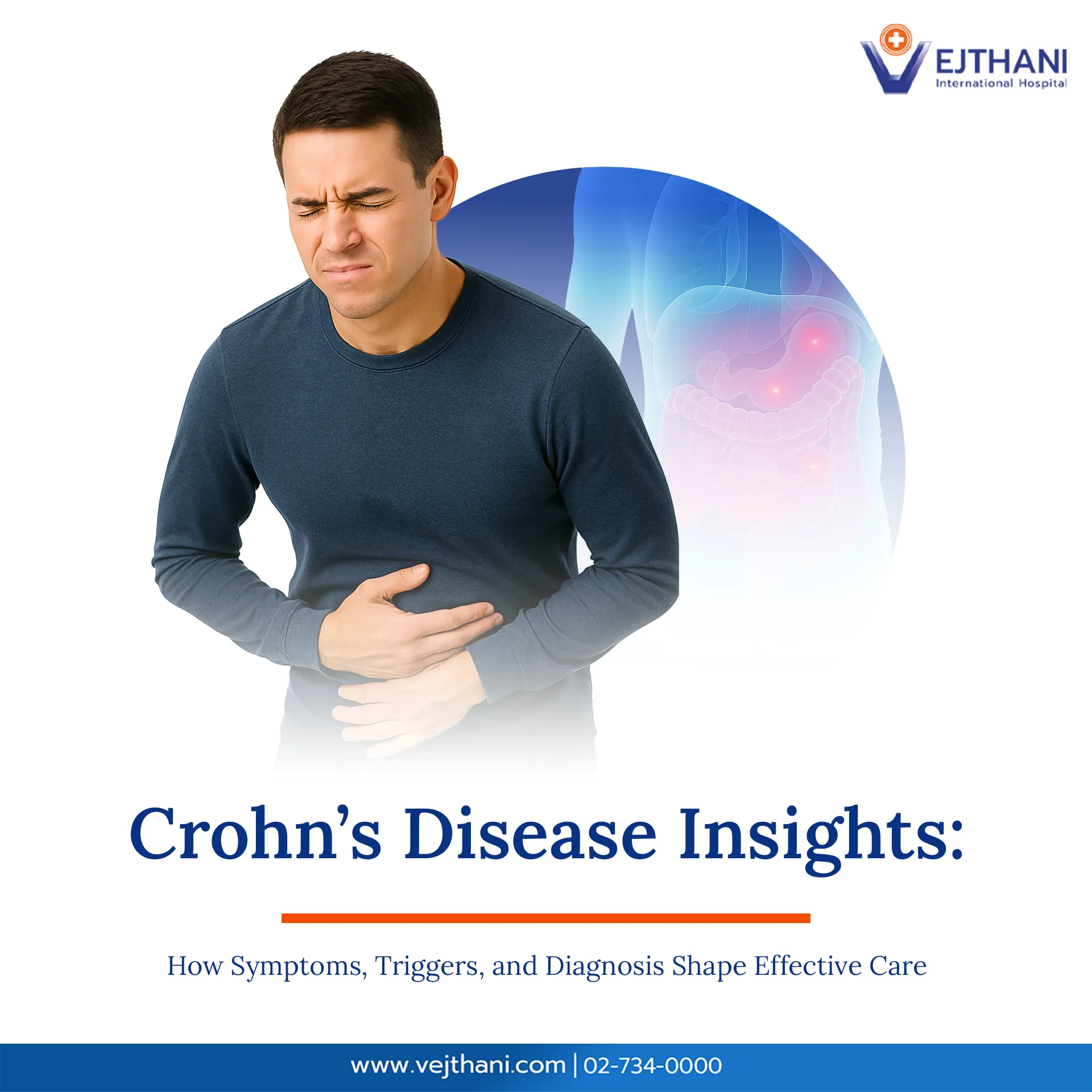
Crohn’s Disease Insights: How Symptoms, Triggers, and Diagnosis Shape Effective Care
Health Articles
Crohn’s Disease is a chronic inflammatory bowel disease that affects people of all ages. If left undiagnosed or poorly managed, it can significantly impact the quality of life.
What is Crohn’s Disease?
Crohn’s Disease is a long-term condition that causes inflammation in the digestive tract. It can affect any part of the gastrointestinal (GI) tract, from the mouth to the anus, but most commonly impacts the end of the small intestine and the beginning of the colon.
Crohn’s Disease vs. Ulcerative Colitis
Crohn’s Disease and Ulcerative Colitis are both forms of inflammatory bowel disease (IBD); however, they are not the same. Crohn’s Disease may affect multiple layers of the bowel wall and any part of the gastrointestinal tract, whereas Ulcerative Colitis typically affects only the innermost lining of the colon and rectum. Subsequently, Crohn’s may lead to more varied and widespread symptoms.
Symptoms of Crohn’s Disease
Symptoms of Crohn’s Disease can vary depending on which part of the digestive tract is affected. They often develop gradually, but can sometimes come on suddenly. Common symptoms include diarrhea, abdominal pain and cramping, blood in the stool, fatigue, weight loss, and loss of appetite.
Other symptoms that may be related to the condition include fever, anemia, mouth sores, pain or drainage around the anus, and inflammation in other areas such as the skin, eyes, or joints. Because the symptoms of Crohn’s Disease can resemble other health issues, it is important not to self-diagnose and to seek professional advice from your healthcare provider. If you experience persistent digestive symptoms, make an appointment for a proper evaluation.
The earlier the symptoms of Crohn’s Disease are identified, the sooner a patient can begin treatment. Early intervention helps minimize complications such as abscesses, fistulas, and strictures, which are narrow areas of the intestine caused by scar tissue forming from chronic inflammation and healing cycles. It can also help preserve bowel function and improve treatment outcomes.
Factors That Can Trigger Symptoms of Crohn’s Disease
Several factors can influence or worsen symptoms of Crohn’s Disease, including:
Dietary habits: Certain foods, such as fatty food or spicy dishes, can aggravate inflammation.
Stress: Although stress doesn’t directly cause the disease, its effects can trigger co-existing conditions such as IBS by affecting the brain-gut axis, leading to worsening symptoms.
Smoking: This habit is linked to a higher risk of more severe forms of Crohn’s Disease.
Non-steroidal anti-inflammatory drugs (NSAIDs): Medications like ibuprofen may irritate the GI tract and trigger symptoms.
Managing triggers is an important part of treatment, which involves making lifestyle adjustments as part of a comprehensive care plan.
How is Crohn’s Disease Diagnosed?
Diagnosing Crohn’s Disease requires a combination of tests to rule out other conditions and determine the extent of the inflammation. Patients may undergo blood tests to check for signs of infection, anemia, or inflammation, and stool studies to detect infection, inflammation or blood in the stool. A small bowel endoscopy or colonoscopy may be done to closely examine the GI tract and collect tissue samples, as well as CT (computed tomography) or MRI (Magnetic Resonance Imaging) enterography. Our gastroenterologists use these tools to create an accurate diagnosis and appropriate treatment plan.
Effective Strategies and Treatments
There is no cure for Crohn’s Disease, but with the right treatment and proper management of symptoms, many patients recover and resume their lives. A multi-modal approach is typically taken, involving treatments such as:
Medical treatment options:
Antibiotics: Used to treat infections or complications such as abscesses and fistulas
Anti-inflammatory medications: Such as corticosteroids
Immune system suppressors: Drugs that suppress the immune system to reduce inflammation
Biologic therapies: Target specific proteins involved in inflammation, offering an option for patients who do not respond to other therapies.
Pain relievers
Patients can manage their lifestyle by avoiding trigger foods and taking nutritional supplements if deficiencies are present. It is also recommended to practice stress reduction techniques, such as meditation or counseling. Surgery may be required if complications arise or if medical treatment is not able to control the symptoms. Common procedures include removing damaged sections of the bowel or repairing strictures. Vejthani International Hospital offers minimally invasive surgical techniques to reduce recovery time.
Symptom Management with Vejthani International Hospital
Vejthani International Hospital has a dedicated gastroenterology team composed of specialists experienced in IBD care. Our state-of-the-art facilities include the latest diagnostic tools and therapeutic technologies to create and implement personalized treatment plans and provide quality, patient-first medical care.
Crohn’s Disease can be a complex condition, but with the right diagnosis and advanced treatment, you can regain your quality of life. Consult with our team at Vejthani International Hospital.
We use cookies to manage your personal information in order to provide you with the best personalized user experience on our website. If you continue using the website, we assume that you accept all cookies on the website. Find out more.