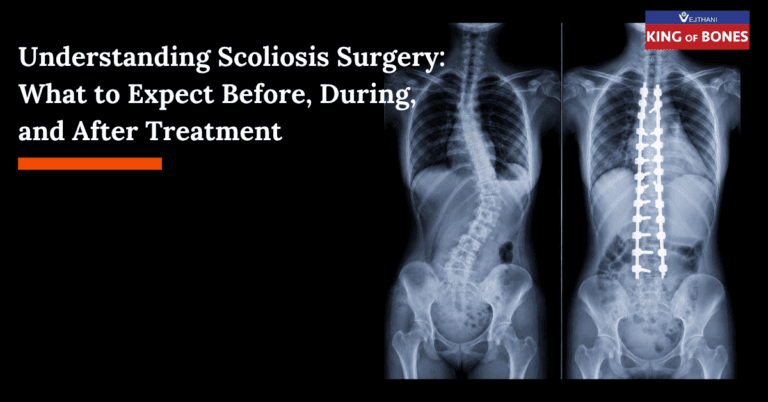
Understanding Scoliosis Surgery: What to Expect Before, During, and After Treatment
Scoliosis can be a frustrating condition that causes a great deal of pain and discomfort. Doctors work to present as many quality solutions for scoliosis
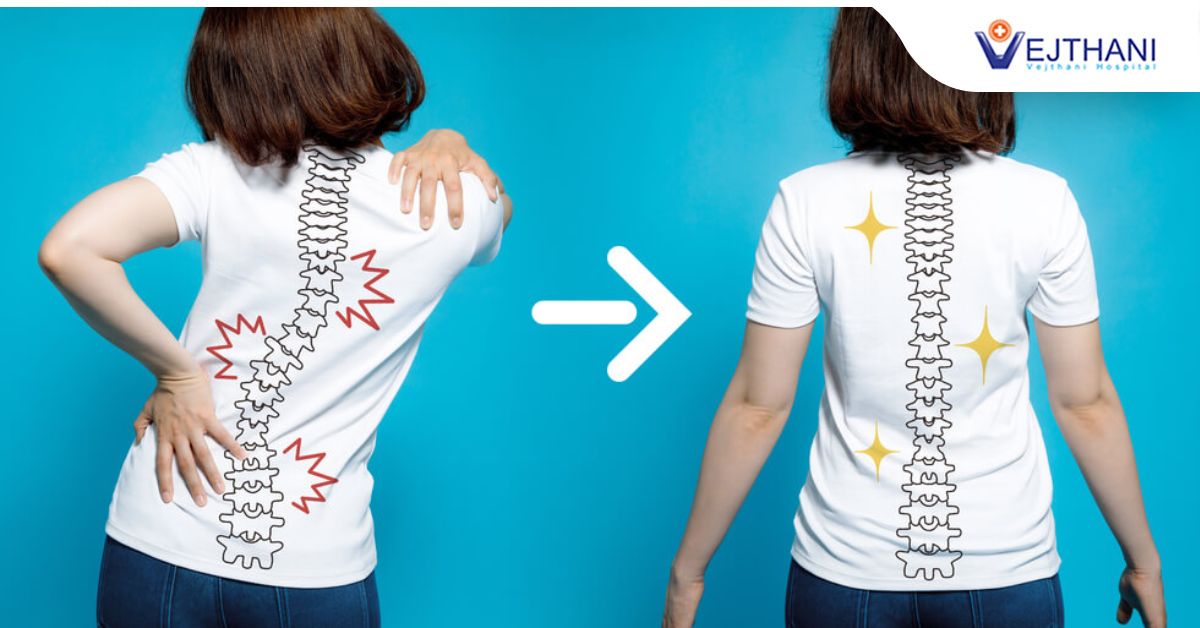
Scoliosis is a spinal condition characterized by abnormal sideways curvature of the spine, often developing during adolescence but also affecting adults. In some cases, underlying spine imbalance may accelerate curve progression and contribute to pain, postural changes, and functional limitations.
At the Spine Center at Vejthani International Hospital, scoliosis and spinal imbalance are assessed using a detailed clinical evaluation. Specialists consider factors such as the patient’s age, symptoms, overall spinal alignment, and potential long-term impact on mobility and daily function.
Although scoliosis affects approximately 2–3% of the population, delayed diagnosis and lack of appropriate treatment may lead to persistent musculoskeletal problems later in life. Early medical assessment plays a key role in preventing progression and protecting spinal health.
Scoliosis involves abnormal curvature of the spine, typically forming a “C” or “S” shape. When combined with spine imbalance, where the body’s center of gravity shifts away from normal alignment, patients may experience increased strain on muscles, joints, and nerves.
In children and adolescents, scoliosis often develops silently, with few early symptoms. In adults, scoliosis may be associated with degenerative spinal changes, leading to imbalance, pain, and neurological symptoms.
In more advanced cases, severe spinal deformity may affect posture and, rarely, respiratory function.
Parents may notice:
Many children do not initially experience pain, which is why visual changes are often the first signs.
Adult scoliosis associated with spinal imbalance may present differently and can include:
Symptoms often worsen gradually as degenerative changes progress.
Accurate diagnosis begins with a detailed medical history and physical examination. Spine specialists typically use:
Understanding the degree of curvature and overall spinal balance helps guide appropriate treatment planning.
Management depends on age, curve severity, symptoms, and progression.
For mild to moderate cases, initial management may include:
These approaches aim to control symptoms and maintain function.
Surgery is considered only in severe or progressive cases, such as when:
Surgical decisions are made carefully after evaluation, balancing potential benefits with risks and long-term outcomes.
Scoliosis and spine imbalance require expertise in spinal biomechanics and individualized treatment planning. At the Spine Center, Vejthani International Hospital, care is delivered by a multidisciplinary team experienced in managing both pediatric and adult spinal conditions.
Clinical decisions emphasize:
Patients and families are actively involved in discussions regarding monitoring, conservative care, or surgical options.
Yes. Adolescent scoliosis is more frequently diagnosed in girls, although both genders can be affected.
Yes. In some individuals, curvature may progress, especially during growth or with age-related degeneration.
No. Most patients can be managed with observation or conservative treatment. Surgery is reserved for severe or progressive cases.
If pain is persistent or associated with postural changes or neurological symptoms, medical evaluation is recommended