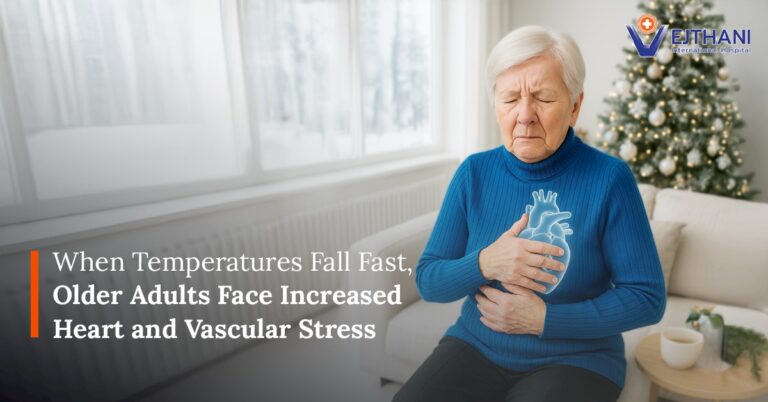
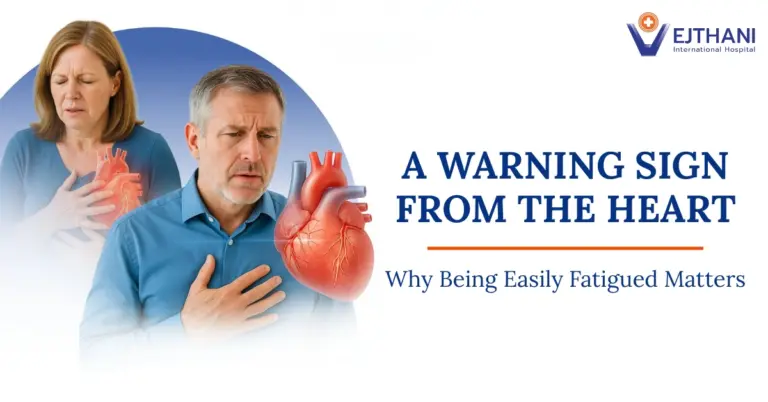
More and more middle-aged people around the world are choosing to go to their local health care provider for a heart checkup. With drastic changes in lifestyle habits and diets, the global population has seen an unprecedented rise in the abundance of people suffering from heart disease. Screening examinations must be performed regularly to detect the heart disease at the earliest possible stage.
Tests for Diagnosing Heart Conditions
First and foremost, a patient’s blood pressure and pulse rate are checked because these are the most basic measurements which can identify abnormalities of the heart. A full set of laboratory tests follows this: blood, genetic, and pericardial effusion (fluids around the heart). Typically, individuals with no signs or symptoms can be evaluated using these tests alone, as they’ll l identify any warning signs (i.e., cholesterol and glucose) of a potential cardiovascular condition on the horizon.
If the first round of tests identifies specific risk factors, the second round of imaging tests will be administered, namely x-rays, echocardiogram, electrocardiogram, stress test, angiography, and artery calcium scoring. The tests carefully examine the physical makeup and functioning of the heart.
Why Consider a Heart Screening Test?
Heart diseases are one of the leading causes of death and disability worldwide. Of all the heart diseases, coronary heart disease is the most common and significant cause of heart attack. It is highly recommended that individuals begin heart check-ups and screening tests at the age of 40.
There are multiple risk factors for heart disease, both uncontrollable and controllable.
Uncontrollable risk factors for heart disease include:
- postmenopausal period
- family history of heart diseases
- male gender
- older age (50+)
- race (African Americans, American Indians, and Mexican Americans are more likely to have heart disease than Caucasians.)
Controllable risk factors for heart disease include:
- alcohol use
- diabetes especially uncontrolled
- high blood pressure
- high c-reactive protein
- high cholesterol
- high LDL (‘bad’ cholesterol) and low HDL (‘good’ cholesterol)
- obesity (BMI greater than 25)
- poor diet
- sedentary lifestyle
- severe stress, depression, and anger
- smoking
Whether you are at high risk or not, it’s best to undergo the screening tests regularly for proper monitoring and to increase your chances of catching emerging symptoms as early as possible.
What Happens If Symptoms Are Found?
If a screening test uncovers signs of heart disease or condition, your doctor will first recommend simple lifestyle changes pertinent to you, such as a healthier diet, more physical activity, less alcohol consumption, and no smoking. To manage high cholesterol, high blood pressure, low blood flow, and an irregular heartbeat, medicines might be administered. In more severe cases, surgery – stenting, angioplasty, or coronary artery bypass surgery – will be recommended to help restore proper blood flow.
Is Your Heart Strong Enough?
It’s vital to take care of your cardiovascular health if you want to live a long and active life. Going through heart check-ups will provide you with the necessary information to prevent damaging health conditions over time.
The Heart Center at Vejthani Hospital in Bangkok is here to serve locals, expatriates, and tourists alike with world-class service, staff, and facilities. We offer the best and most comprehensive heart checkup treatment package in the country. Our team of doctors, surgeons, and specialists consists of thoroughly experienced, dedicated, and certified cardiac specialists.
This team of qualified professionals is here to offer you world-class standard treatment using only the latest in advanced technologies, facilities, and methodologies. You are warmly welcome to visit the Heart Center at Vejthani Hospital in Thailand’s capital city for a general appointment or to undergo one of our comprehensive cardiac screening packages.
Cardiac Screening Package
Did you know you can have a heart attack without any warning signs? Heart failure and heart disease don’t show the same symptoms for everyone and often don’t show in the early stages of developing heart problems.
Do you suffer from any of these symptoms and risk factors?
- breathing difficulty when lying down
- blue lips, hands or feet
- chest pain, pressure or discomfort
- dizziness and syncope (temporary loss of consciousness)
- extra weight gain
- family history of cardiovascular disease, diabetes, and hypertension
- fatigue and shortness of breath
- high cholesterol (dyslipidemia)
- inactivity (workout less than 3 times/week)
- loss of appetite
- palpitations or heart rhythm problems
- swollen legs
If you suffer from three or more of the above, you should consider a Bangkok hospital heart check-up at Vejthani Hospital ASAP. We are pleased to offer three levels of care
Readers’ Rating
2.0 out of 5 stars (based on 2 reviews)