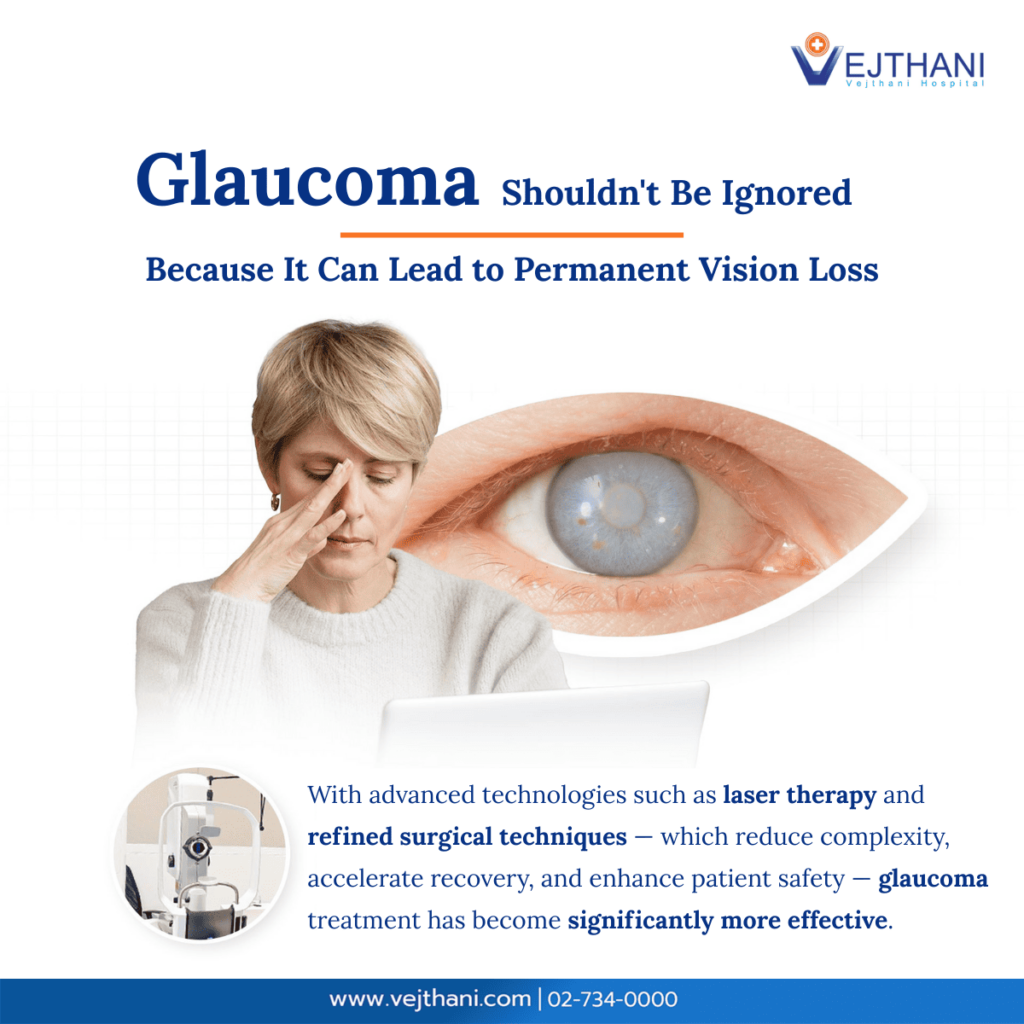
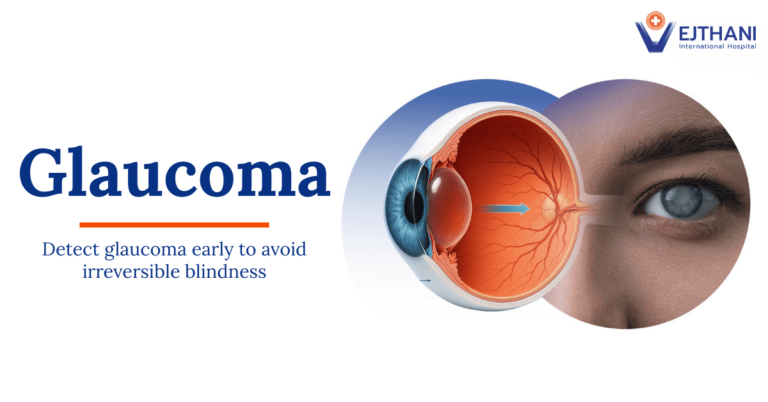
As we age, our body and organs gradually deteriorate, and the eyes are among the most vital organs that should not be overlooked. There are several common eye conditions among older adults, such as cataracts, macular degeneration, and glaucoma — a condition that often develops without warning signs and can eventually lead to vision loss.
Glaucoma is a leading cause of blindness worldwide. It can affect people of all ages and is characterized by damage to the optic nerve, which results in permanent loss of visual fields and vision. One of the major risk factors for glaucoma is ocular hypertension, which may occur naturally due to aging or be triggered by external factors such as medication use, surgery, injury, or underlying health conditions. Glaucoma typically does not present symptoms in its early stages, but once warning signs appear, it is important to see a doctor promptly. If left untreated, the condition can progress and result in irreversible vision loss.
Warning signs of glaucoma that require immediate medical attention:
Noticeable decrease in vision
Loss of peripheral (side) vision
Severe pain or unusual redness in the eye
Seeing rainbow-colored halos around lights
Eye symptoms accompanied by nausea or vomiting
If you experience any of these symptoms, you should consult an ophthalmologist. Today, there are advanced treatment options for glaucoma, including Selective Laser Trabeculoplasty (SLT), Laser Peripheral Iridotomy (LPI), Cyclophotocoagulation, and surgical procedures that are now less invasive, offer quicker recovery, and carry lower risks. The choice of treatment depends on the type and severity of glaucoma, as well as the patient’s overall health. It is essential to undergo diagnosis by a specialized medical team to develop an appropriate treatment plan.
We use cookies to manage your personal information in order to provide you with the best personalized user experience on our website. If you continue using the website, we assume that you accept all cookies on the website. Find out more.