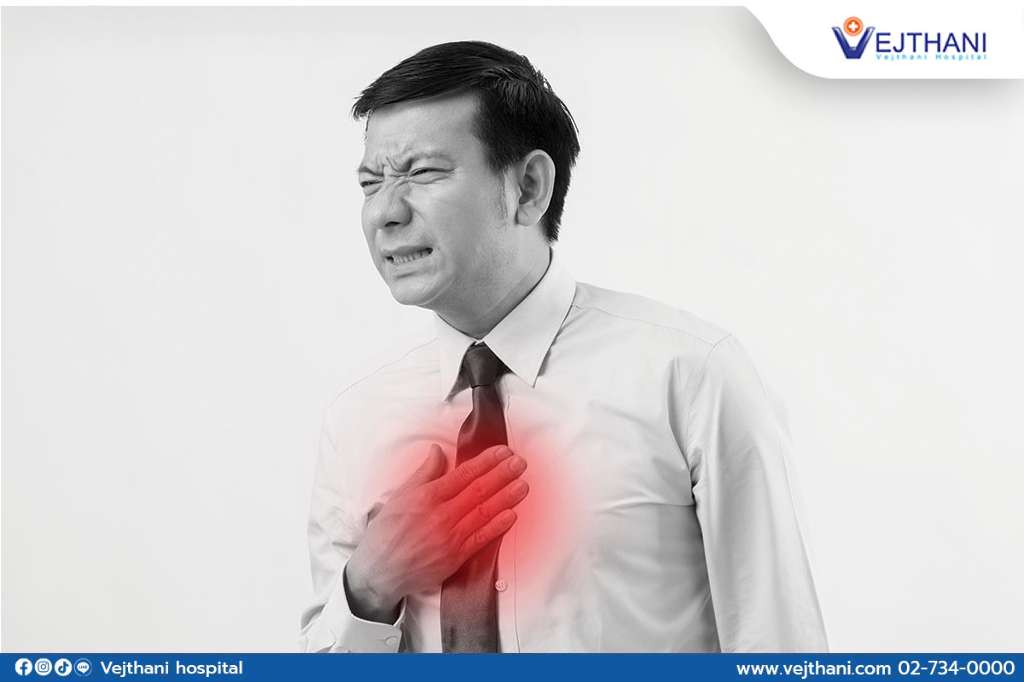
If you ever experience hot burning sensation in your chest and regurgitation of food or sour liquid after a meal, you know for sure that these symptoms are from the Gastroesophageal Reflux Disease (GERD). These common symptoms of GERD seem harmless because they only cause minor discomfort and maybe annoying for a short period of time. On the other hand, taking for granted these minor symptoms may cause unexpected negative results.
Getting to know GERD
GERD occurs when the stomach acid flows back into the esophagus which causes burning sensation in the upper stomach, chest and neck. Patients may taste sour liquid in the mouth which is called “regurgitation”. Over time, the symptoms cause inflammation and severe lesions with the possibility to develop precancerous changes to the esophagus.
The condition might occur to other systems such as the ear, nose and throat system, respiratory system or could result to some cardiac condition which is not caused by a cardiac disease. Hence, it is significantly important to keep your health on watch and consult a medical provider as soon as any abnormality is suspected.
Diagnosis and Treatment
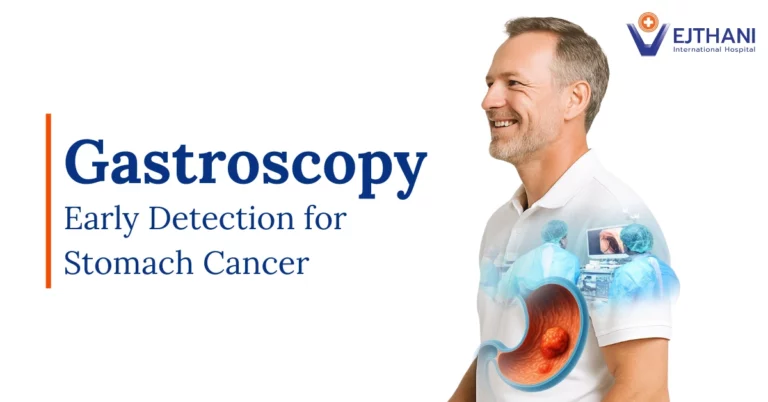
After your medical history was taken, there are several ways to investigate GERD with a more accurate result. For example, gastrointestinal endoscopy, esophageal manometry and ambulatory acid (pH) probe test which are considered as the most accurate diagnostic procedures.
Live a little farther from GERD
Most conditions affected by GERD are triggered by unhealthy habits which can simply be altered to avoid the mentioned symptoms and other consequences.
Avoid smoking and alcohol drinks
Avoid tea, coffee, soda and juice
Avoid strong tasting foods: too sour, too spicy, too fat
Keep your weight in control
You should have your dinner at least 3 hours before bedtime and do not eat too much
Eat less but more often
Do not wear too tight clothing
Exercise regularly
If your condition doesn’t respond to behavioral adjustments, the doctor may consider prescribing Proton Pump Inhibitor medication. The length of period given to take this medicine depends on your condition and if the medication doesn’t work out, the doctor may consider a laparoscopic surgery.
For more information, please contact
Gastroenterology and Hepatology Center Tel. 02-734-0000 Ext. 2960, 2961, 2966
We use cookies to manage your personal information in order to provide you with the best personalized user experience on our website. If you continue using the website, we assume that you accept all cookies on the website. Find out more.