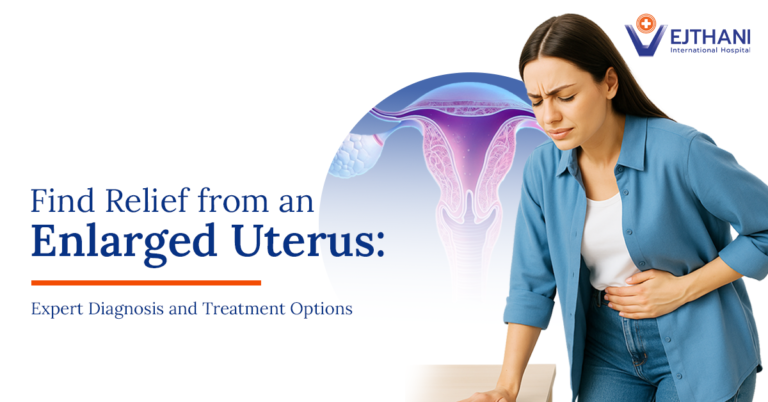
Find Relief from an Enlarged Uterus: Expert Diagnosis and Treatment Options
Expert diagnosis and effective treatments for an enlarged uterus. Early care can relieve symptoms, support fertility, and improve quality of life.
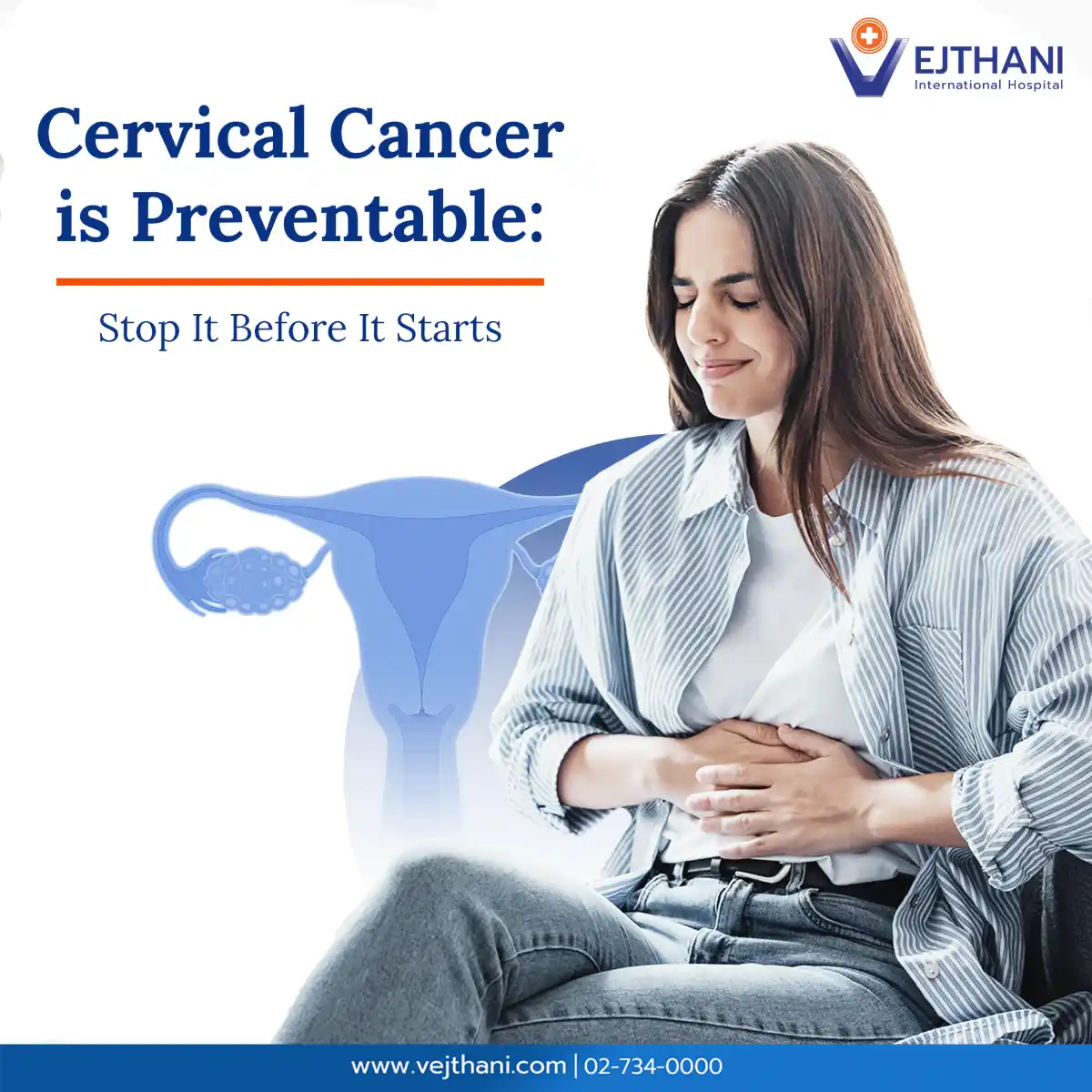
Cervical cancer is one of the most common cancers worldwide, claiming more than 2,000 lives each year. The leading cause is infection with high-risk strains of HPV, which can be prevented through screening and HPV vaccines. These measures are key to effectively preventing infection and reducing the risk of cervical cancer.
Dr. Chalida Raorungrot, anChalida Raorungrot obstetrician-gynecologist specializing in gynecologic oncology at Vejthani Hospital, explained that cervical cancer develops in the cervix—the lower part of the uterus that connects to the vagina. It is one of the most common cancers affecting women, particularly those of reproductive age. More than 99% of cervical cancer cases are caused by infection with high-risk strains of the human papillomavirus (HPV), which is primarily transmitted through sexual contact. All sexually active women are at risk of contracting high-risk HPV and, subsequently, developing cervical cancer.
Early-stage cervical cancer often does not show symptoms. Still, some changes can be noticed, such as abnormal vaginal bleeding, unusual discharge with a bad smell or blood, and lower abdominal pain. As the disease progresses, swelling in the legs, blood in urine or stool, and kidney failure may occur.
The best way to prevent cervical cancer is through HPV vaccination, regular screenings, and staying aware of any unusual changes in your body. Consistent self-care is the key to protection.
Women’s Health Center, Vejthani Hospital
Call: (+66)2-734-0000 Ext. 3200, 3204
English Hotline: (+66)85-223-8888
service@vejthani.com

Obstetrics and Gynaecology
Obstetrics Gynecology - Gynecologic Oncology