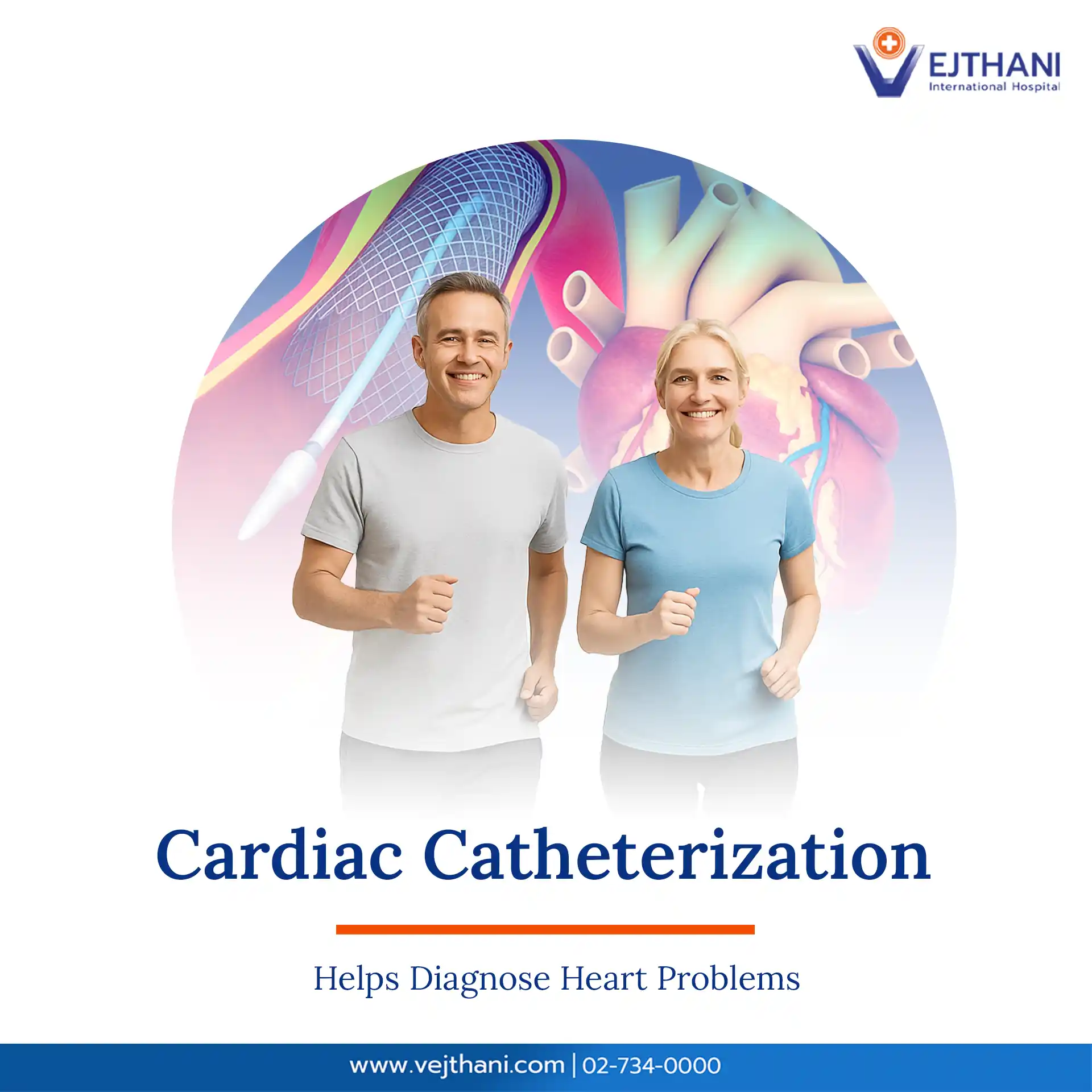
Cardiac catheterization is a procedure that involves inserting a thin, flexible tube, called a catheter, into a blood vessel in the groin, arm, or wrist. The catheter is carefully guided to the heart or specific blood vessels. A special contrast dye is then injected, which shows up on X-ray and allows doctors to clearly see the heart and blood vessels to detect any abnormalities.
Whenever a doctor cannot clearly see a heart or coronary problem, cardiac catheterization is utilized to identify and diagnose the problem before beginning treatment. The following are just a few of the serious issues that are helped by catheterization practices.
1. Chest Pain (Angina)
Angina is usually the result of a blockage in the coronary arteries. The catheter can pinpoint the location and severity of the blockage. The diagnosis can be followed by an angioplasty, which widens the blood vessels and restores blood flow.
2. Heart Defect Repair
Therapeutic cardiac catheterizations are procedures to repair heart defects. The use of a contrasting dye-filled catheter provides the doctor with a clear view of the defect, allowing them to repair the defect arthroscopically, instead of using more invasive techniques.
The catheters can remain in place during the repair procedure, guiding the doctor. They can also help monitor the repairs after the procedure.
3. Congenital Heart Disease
Pediatricians use cardiac catheterization to diagnose congenital heart disease in infants and children. It offers a noninvasive method of locating the heart defect and allows the doctor to determine its severity and whether it requires treatment.
4. Intravascular Ultrasound
Intravascular ultrasound (IVUS) is a procedure that allows doctors to assess the health of blood vessels. It uses cardiac catheterization, which enables the doctors to access and evaluate the delicate coronary arteries near the heart without causing trauma.
The catheter has an ultrasound probe that emits high-frequency sound waves. The sound waves bounce off the blood vessels and create echoes. A computer converts the echoes into images, offering doctors a clear image of the artery.
Visit Vejthani International Hospital’s Cardiac Center
If you suspect you may have heart issues, make an appointment at Vejthani International Hospital’s Cardiac Center to have your health expertly diagnosed and professionally treated by our talented cardiologists.
We use cookies to manage your personal information in order to provide you with the best personalized user experience on our website. If you continue using the website, we assume that you accept all cookies on the website. Find out more.