Make an Appointment
 Talk to Doctor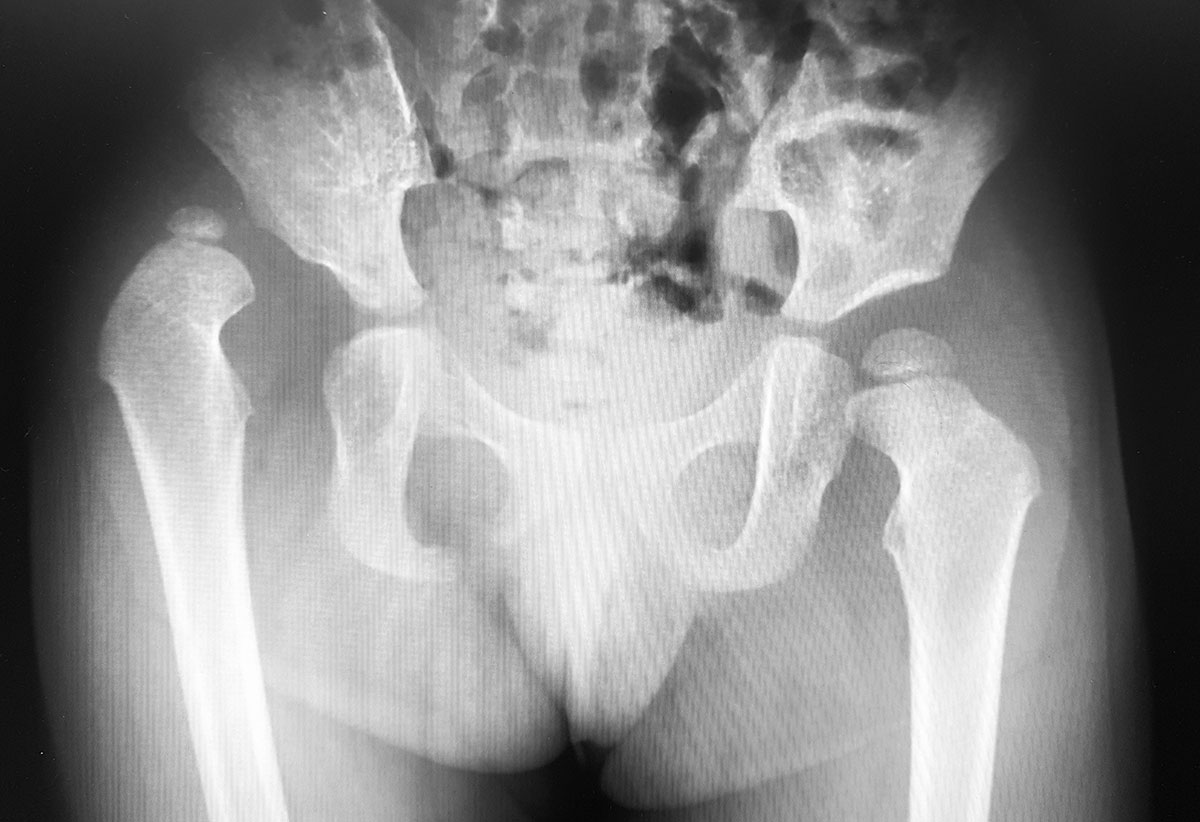
Overview
Hip dysplasia is a medical condition in which the socket of the hip does not completely cover the head of the upper thigh bone. This can partially or entirely dislocate the hip joint. Hip dysplasia is usually a congenital disease.
The condition of hip dysplasia is examined by doctors as soon as the baby is born or during follow up visits. If the illness is detected and diagnosed in the early days, soft braces are used to treat the condition.
In mild condition of hip dysplasia, the symptoms will not arise until the patient reaches teens or young adults. The condition can cause destructions to the cartilage that lines the hip joint, while it can also damage the soft cartilage or labrum, which is around the edge of the socket of the hip joint. This damage is known as a hip labral tear.
Symptoms
Hip dysplasia patient will develop different symptoms according to their age group. Infant patient may experience unequal leg length. When start walking, a limp may be noticed. Aside from a limp during movements, an uncomfortable hip movement could be seen when changing diaper.
Teenager or young adults can encounter a painful sensation from hip dysplasia, which is commonly caused by osteoarthritis or hip labral tear. If these occur, regular movement of the groin area will cause pain. In some occasions instabilities of the hip can be perceived.
Causes
The hip joint is a ball-and-socket joint that connects the thigh bone to the pelvis. In the case of hip dysplasia, the alignment of the thighbone and the pelvis does not align properly.
During later stages of pregnancy, the womb is being congested by the size or the baby’s position therefore it puts a direct force against the hip joint.
Risk factors
Hip dysplasia is often found as a genetic disorder, more commonly affecting female than male. Babies who are born in breech position or wrapped position is at higher risk of developing hip dysplasia.
Diagnosis
Doctors usually look for hip dysplasia during well baby visit. The physical examination is done by moving the baby’s legs to several different positions and directions to ensure the hip joints are fitted well.
Mild hip dysplasia can be difficult to diagnose since the signs are not clear when patients are young. Imaging tests, such as X-rays or magnetic resonance imaging (MRI) can be advised if any suspicious signs are detected.
Treatment
The treatment method of hip dysplasia varies on the age and severity of the hip.
Infant patients are oftentimes given a soft brace for treatment. For instance, a Pavlik harness, is designed to hold the ball area of the joint tightly in the socket for a few months. This process facilitates the socket to mold into the shape of the ball.
The soft braces however, do not work well with patients over 6 month-old. The doctor may align the bones to the right position and hold them with a full-body cast for the next several months. Surgery may be required in some cases to align the joint together.
Moreover, the angle of the hip socket will be corrected if the alignment is severe. Periacetabular osteotomy is a surgical procedure that cuts the socket to separate it from the pelvis and repositioned it to properly align the ball-and-socket joint of the hip.
Elderly patient with hip dysplasia may encounter a chronic hip pain which can result in a hip replacement surgery.