
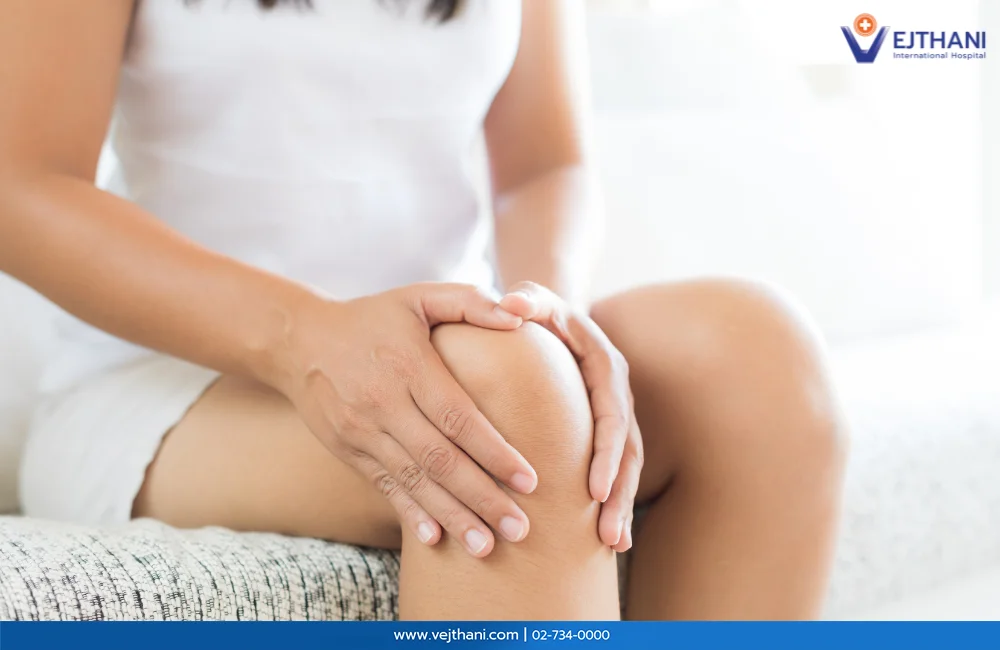
Is Knee Clicking When Squatting a Sign of Health Issues?

s Knee Clicking When Squatting a Sign of Health Issues

Have you ever been in the middle of a workout, powering through a squat, and heard a strange click or crack from your knee? It’s a common and often startling experience that can leave you wondering if you’re doing serious damage. While the sound itself can be alarming, a knee clicking when squatting isn’t always a sign of a major problem. However, there are times when this sound can be a red flag. Let’s explore what causes your knees to click and when you should be concerned.

Why Knees Crack and Click

  • Air Bubbles: One of the most common and harmless reasons for a knee clicking when squatting is the popping of tiny gas bubbles. The fluid in your joints contains nitrogen bubbles, and when you bend or move your knee, these bubbles can collapse, creating a popping sound. It’s like cracking your knuckles that aren’t damaging to your joints.
  • Irritated Kneecap: Sometimes, inflammation in the area between your kneecap and thigh bone can cause friction. This increased resistance makes the knee components rub against each other, leading to a clicking or grinding noise.
  • Worn Cartilage: Over time, the smooth cartilage that cushions your bones can become rough or uneven. As you bend your knee, the joint surfaces may glide less smoothly over each other, creating a creaking or cracking sound. This is often a result of normal wear and tear, but it can also be a sign of conditions like patellofemoral syndrome or osteoarthritis.

How to Fix a Clicking Knee?

How to Fix a Clicking Knee

While a painless knee clicking when squatting is usually not a cause for concern, if it’s accompanied by discomfort or other symptoms, you can take proactive steps to improve your knee health. 

1. Stretches and Exercises

One of the best ways to support your knees is by strengthening the muscles around them. Weak or imbalanced leg muscles, such as the quadriceps and hamstrings, can put extra stress on the knee joint. Incorporating exercises like leg presses, squats, and lunges can help build muscle and provide better support. Warming up with light cardio and stretches before a workout is highly recommended. Regular stretching of the hamstrings and quadriceps can also help improve flexibility and reduce strain on your knees.

2. Therapy

If your knee clicking when squatting is persistent and accompanied by pain, physical therapy can be a game-changer. A rehabilitation medicine specialist can diagnose muscle imbalances or improper form and create a customized plan to strengthen your legs and improve your movement mechanics. They can also use techniques, such as targeted exercises, to reduce inflammation and restore proper function to the joint, getting you back to your regular activities without pain.

When to Seek Medical Health for Knee Clicking

While it’s important to remember that many cases of knee clicking when squatting are harmless, there are specific signs that indicate you should consult the Knee Center.

If the clicking is accompanied by pain, swelling, stiffness, or a “locking” or “catching” sensation, it’s time to get it checked out. These symptoms can signal more serious issues, such as a meniscus tear or cartilage damage. If you’ve had sudden, high-impact knee injuries from sports, and hear a loud pop followed by instability, it’s crucial to seek immediate medical attention. 

In some cases, a procedure like a knee arthroscopy may be recommended to treat the problem. It’s always best to get an evaluation from a medical professional, and finding a reputable facility like Vejthani International Hospital, a leading provider of orthopedic care, can give you peace of mind.

Tips for Healthy Knees
Tips for Healthy Knees
  1. Maintain a healthy weight: Excess weight puts significant stress on your knees.
  2. Strengthen your legs: Strong quadriceps, hamstrings, and glutes provide crucial support for your knees.
  3. Wear proper footwear: Shoes that fit well and offer good support can prevent strain on your knees.
  4. Warm up and cool down: Always prepare your muscles for exercise and stretch afterward to maintain flexibility.
  5. Cross-train: Vary your workouts to avoid overtraining and putting repetitive stress on the same muscles and joints.
  6. Avoid bending the knees more than 90 degrees while sitting. Refrain from positions that place the knees in deep flexion, such as sitting on a low seat, kneeling, sitting cross-legged, or tucking the legs to one side. However, all exercises may be performed as advised. 

Frequently Asked Questions

The sound of a knee clicking when squatting often leads to many questions and concerns. Here are some of the most common questions people have about noisy knees.

1. Should I be concerned about my knee clicking?

You should not be concerned if your knee clicking when squatting is not accompanied by pain, swelling, or limited movement. If you’re experiencing any of these symptoms, it’s best to consult a knee specialist. 

2. Why do my knees click every time I crouch?

Your knees may click every time you crouch due to air bubbles in the joint fluid collapsing, or because of a slight change in the position of your kneecap over the joint. This is a very common and usually harmless occurrence.

3. Why do my knees click when I walk?

Similar to squatting, a knee clicking when walking is often due to the release of gas bubbles. It can also be caused by ligaments or tendons snapping over a bone as the knee bends and straightens.
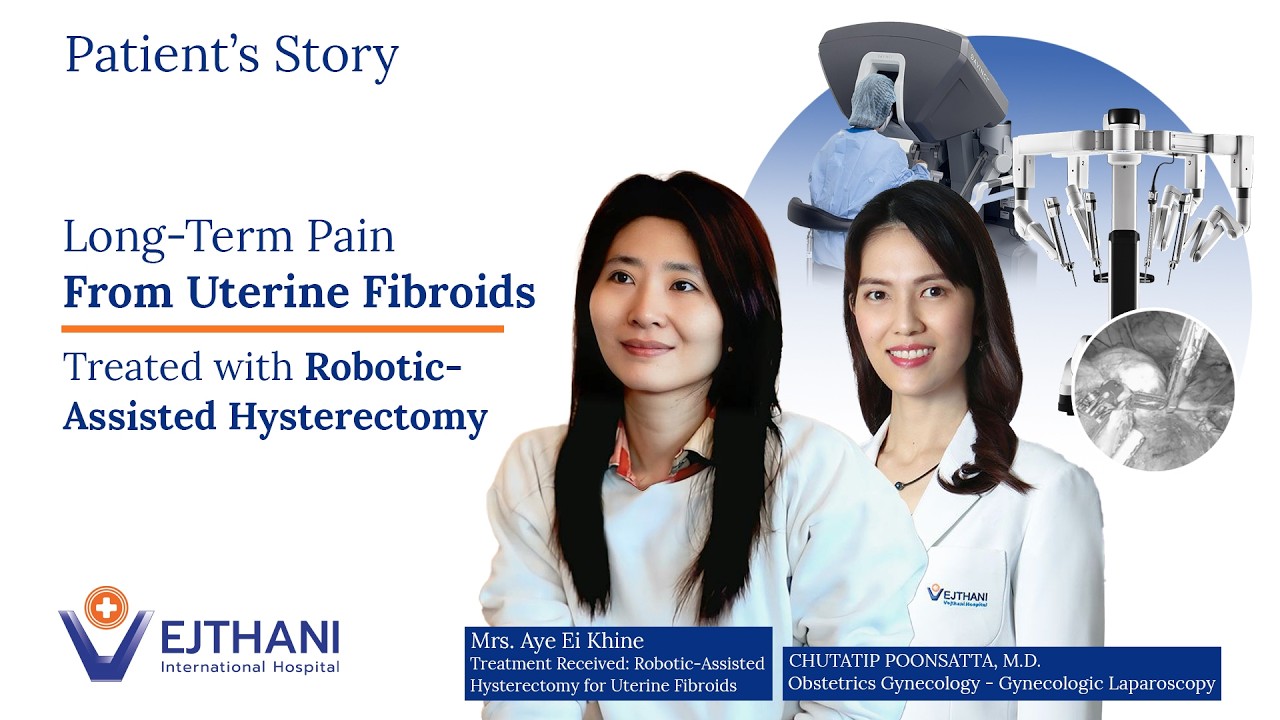
Long-Term Pain From Uterine Fibroids Treated with Robotic-Assisted Hysterectomy 

At first, I thought it was just normal menstrual pain, but the symptoms kept getting worse.
I started experiencing severe pelvic pain, heavy bleeding, and discomfort in my daily life.

So I decided to come to Vejthani Hospital for a medical check-up.
After examination, the doctor diagnosed that I had uterine fibroids.

The doctor recommended robotic-assisted hysterectomy, a minimally invasive surgery that helps remove the uterus safely and precisely.

The surgery went very well, and the medical team took great care of me.
After the procedure, I felt much better and the pain that had bothered me for years disappeared.

I am very grateful to the doctors and staff at Vejthani Hospital for helping me regain my quality of life.

If you have symptoms such as pelvic pain, heavy menstrual bleeding, or discomfort, you should consult a doctor and get proper treatment.

For more information, please contact

Women’s Health Center, Vejthani Hospital
Call: (+66)2-734-0000 Ext. 3200, 3204
English Hotline: (+66)85-223-8888

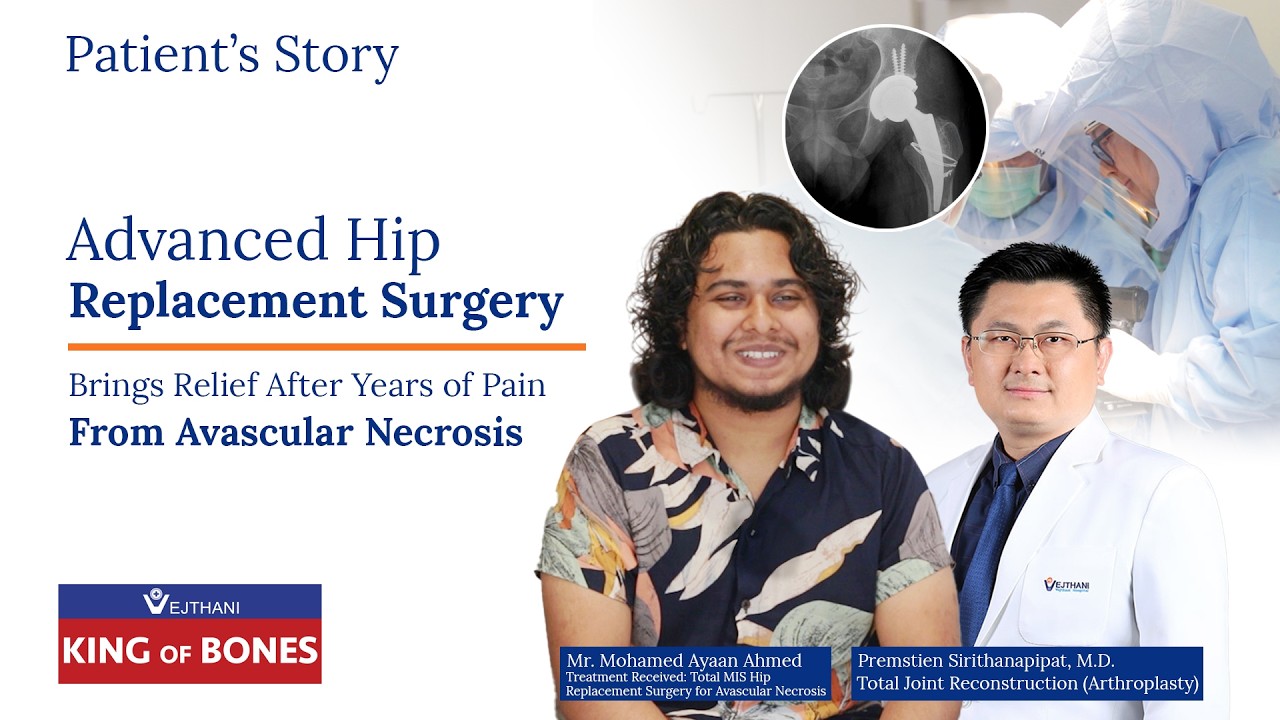
Advanced Hip Replacement Surgery Brings Relief After Years of Pain From Avascular Necrosis

At just 20 years old, Mohammad Ayan from the Maldives had endured years of pain caused by avascular necrosis. After undergoing multiple surgeries without success, his hope for a normal, active life seemed uncertain.

Seeking advanced treatment, he traveled to Vejthani International Hospital in Thailand, where he met Dr. Premstien Sirithanapipat. Through minimally invasive, computer-assisted total hip replacement surgery, Dr. Premstien was able to restore near-perfect anatomical alignment with exceptional precision, significantly reducing the risk of complications such as dislocation or fractures.

The difference was immediate.

Unlike his previous experiences, Mohammad reported no pain after the operation and was able to sleep comfortably on the very first night. Today, he has returned to a pain-free, active lifestyle, achieving the quality of life he once thought was out of reach.

For more information, please contact

Hip and Knee Center, Vejthani Hospital
Call : (+66)2-734-0000 Ext. 2222, 2223
English Hotline: (+66)85-223-88885-223-8888

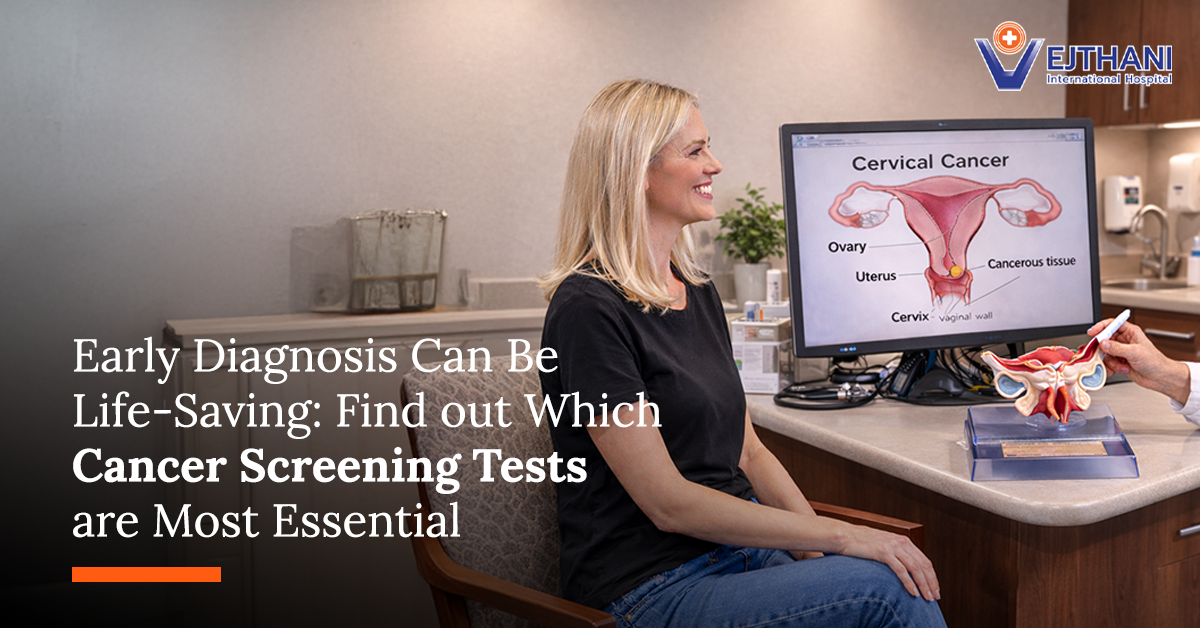
Early Diagnosis Can Be Life-Saving: Find out Which Cancer Screening Tests are Most Essential

Cancer screening is vital in preventive healthcare and has significantly lowered death rates by finding disease at an early, more treatable stage. Understanding how screening works and following recommended schedules can help people protect their health.

Cervical Cancer Screening: Why it’s important?

Cervical cancer most commonly develops after a long-lasting infection with certain high-risk strains of human papillomavirus (HPV). HPV is widespread, and in most cases, the immune system clears the virus naturally. However, some infections may remain in the body for years without any noticeable symptoms, almost 90% of sexually active women will acquire a genital HPV infection during their lifetime. For this reason, regular screening is the most effective way to identify early abnormal cell changes before they progress to cancer.

Pap Smear and HPV Test (Co-testing)

  • Pap smear test involves taking cells from the cervix, the lower end of the uterus where it connects to the vagina. The cells will then be analyzed to detect unusual changes that may progress to cancer if not treated. The procedure is brief and typically performed during a regular gynecological check-up.
  • HPV test is usually performed at the same time using the same sample. This test detects high-risk HPV types that are known to increase the risk of cervical cancer.

Importantly, cervical screening can also be used detect precancerous cell changes early, allowing treatment that may stop cervical cancer from developing altogether.

Cervical Cancer Screening Guidelines (RTCOG guideline 2025)

  • Ages < 25 years: cervical cancer screening is typically advised in high-risk women (HIV infection, multiple partners or sexually transmitted infection.
  • Ages 25 years: Multiple screening approaches may be recommended, including:
    • HPV testing on its own every five years
    • Pap smear screening every two years
    • Co-testing with both Pap and HPV tests every five years
  • Age 65 years and above: Some individuals may be able to discontinue screening if they have a history of normal test results and no prior cervical precancer at a severe stage. This choice should always be made in discussion with a healthcare professional.

When screening for cervical cancer shows unexpected findings, further assessment may be needed. This could involve repeat testing, a colposcopy (examination of the cervix under a magnifying scope), or a biopsy. Though abnormal findings can be worrying, they tend to identify changes before cancer forms, enabling prompt treatment and close follow-up.

Based on age, lifestyle, and individual risk factors, additional screenings may be advised. Your doctor can determine the most appropriate screening tests.

  • Breast cancer: For individuals at average risk, screening mammography with tomosynthesis is recommended starting at age 40 years. However, breast health evaluation should begin earlier, from around age 25 years, through regular clinical encounters and promotion of breast awareness to facilitate early recognition of abnormal changes.
  • Lung cancer: Lung cancer screening should be performed using low-dose CT (LDCT), not chest X-ray. It is recommended for individuals aged more than 50 years with a smoking history of more than 20 pack-years. However, screening may also be considered on a case-by-case basis in selected high-risk individuals after individualized risk assessment.
  • Colorectal cancer: For individuals at average risk, colorectal cancer (CRC) screening is recommended starting at age 45 years. Several screening modalities are available, including colonoscopy, flexible sigmoidoscopy, stool-based tests (FIT or mt-sDNA), and CT colonography. However, for individuals at increased risk, such as those with a first-degree relative with colorectal cancer, screening should begin earlier, at age 40 years or 10 years before the age at diagnosis of the affected relative, whichever comes first. In these higher-risk individuals, colonoscopy is the preferred screening modality.
  • Anal Cancer: Anal cancer is relatively uncommon and is not part of routine screening for the general population. However, because it is strongly associated with HPV infection, similar to cervical cancer, individuals at increased risk, such as those with compromised immune systems (e.g., HIV infection) or a history of HPV-related disease, may require closer monitoring. Symptoms such as bleeding, pain, itching, or a palpable lump should always be promptly evaluated by a healthcare professional.

Regular Health Screening Helps Early Detection

During routine appointments with a gynecologist, you can check whether your screenings are up to date, review recommended vaccines, and discuss any new health concerns. Keeping health records organized can help reduce missed follow-ups and make sure treatment is received on time.

When screening is done regularly and abnormal results are addressed early, cervical cancer can often be avoided. Taking action today plays an important role in protecting health in the years ahead.

How Important Are Comprehensive Health Checkups for Young Adults?

Ms. May La Than Zin recently visited Vejthani Hospital for a comprehensive health check-up, which included comprehensive blood tests, chest X-ray, 3D mammogram, comprehensive heart check ups and whole abdomen ultrasounds. From the beginning until the end, Ms. May shared that she received seamless, well-organized service, with clear and detailed explanations from the doctor at every step.

After completing her examinations, she enjoyed a complimentary massage, a special service designed to enhance patient comfort. She was also deeply impressed by the Myanmar customer service team, who ensured smooth communication and guided her throughout her visit.

Ms. May highly recommends Vejthani Hospital, praising its comfortable environment, easy accessibility, and expert medical care.

For more information, please contact

English Hotline: +66 (0) 85-223-8888