Gastroscopy: Early Detection for Stomach Cancer
Detect stomach cancer early with gastroscopy—an accurate and quick screening method. Learn how early detection and timely treatment can save lives.
Select Topic
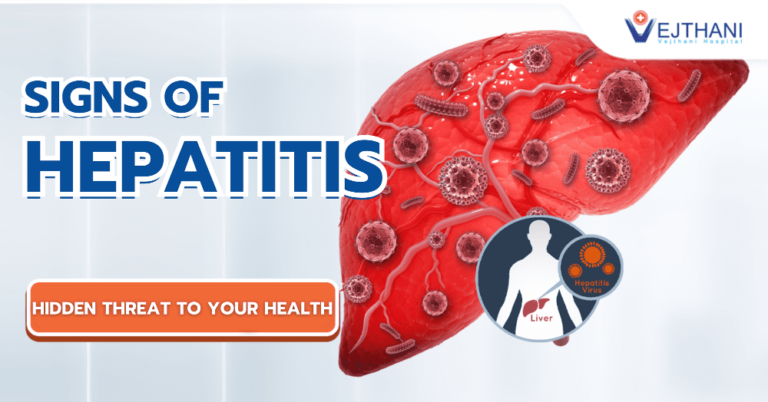
Viral Hepatitis is a viral infection that causes inflammation and damage to liver cells. It can occur in both acute and chronic forms. Without proper treatment, it may lead to liver failure, cirrhosis, or liver cancer. The disease often presents with mild or unclear symptoms, so many people are unaware they are infected. Regularly monitoring your health and watching for abnormal symptoms is therefore important.
There are five types of viral hepatitis: A, B, C, D, and E. Each differs in modes of transmission, severity, and prevention, as outlined below.
Transmission: Contaminated food and water; contact with an infected person’s feces
Severity: Not chronic; most cases resolve on their own
Warning signs: Fever, fatigue, nausea, jaundice (yellowing of the skin and eyes)
Prevention:
Transmission:
Severity: Can cause severe acute hepatitis and may become chronic, increasing the risk of cirrhosis and liver cancer
Prevention: HBV vaccination. It is given to all newborns and is highly effective in preventing mother-to-child transmission.
Transmission: Primarily through blood, such as sharing needles or unsafe tattooing/piercing equipment
Severity: High risk of becoming chronic; increased risk of cirrhosis and liver cancer
Treatment: Highly effective oral antiviral medications are now available and can cure the infection.
Prevention: No vaccine yet; avoid direct exposure to risk.
Transmission: Through blood and occurs only in people already infected with HBV
Severity: Makes hepatitis B much more severe; higher risk of cirrhosis and liver cancer
Prevention: HBV vaccination also protects against HDV.
Transmission: Eating undercook meat, especially pork or shellfish, or drinking contaminated water
Severity: High fever, body aches, fatigue; usually self-limiting, but can be severe in pregnant women and older adults
Prevention: Good food and water hygiene; eat thoroughly cooked pork. There is currently no widely available vaccine.
You should be tested at least once a year if you have any of the following risks:
There is no specific antiviral treatment. Most patients recover on their own with rest, adequate hydration, and monitoring of liver function. Symptoms usually resolve within weeks to a few months.
Acute infection may resolve spontaneously or require treatment. Chronic infection may require antiviral medications to suppress the virus and reduce liver inflammation. Regular monitoring of liver enzymes and viral load is essential to prevent cirrhosis and liver cancer. Carriers need ongoing follow-up even in the absence of symptoms.
Direct-acting antivirals (DAAs) offer cure rates of over 95%, especially when treatment is initiated early and risk factors are managed. Early detection leads to better outcomes and lowers the risk of cirrhosis and liver cancer.
Must be managed together with hepatitis B, as HDV occurs only in those already infected with HBV. Care should be provided closely by a hepatologist.
Supportive care is similar to that for hepatitis A. In pregnant women, patients with chronic kidney disease, or those with weakened immunity, the disease can be severe and potentially life-threatening.
If you have any of these symptoms, consult and make an appointment with a specialist at Vejthani International Hospital.
For more information, contact
Gastroenterology and Hepatology Center , Vejthani International Hospital
Tel: 02-734-0000 Ext. 2960, 2961, 2966
English Hotline: (+66)85-223-8888

Internal Medicine
Gastroenterology and Hepatology