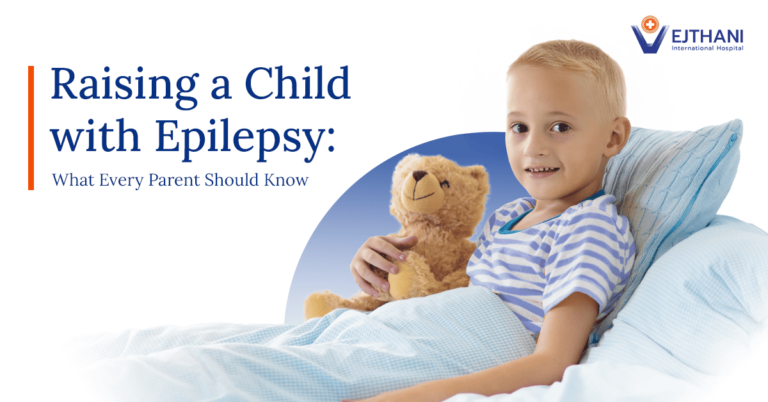
Raising a Child with Epilepsy: What Every Parent Should Know
A diagnosis of epilepsy in childhood reshapes family life, and witnessing your child's seizures can be profoundly distressing.
Select Topic
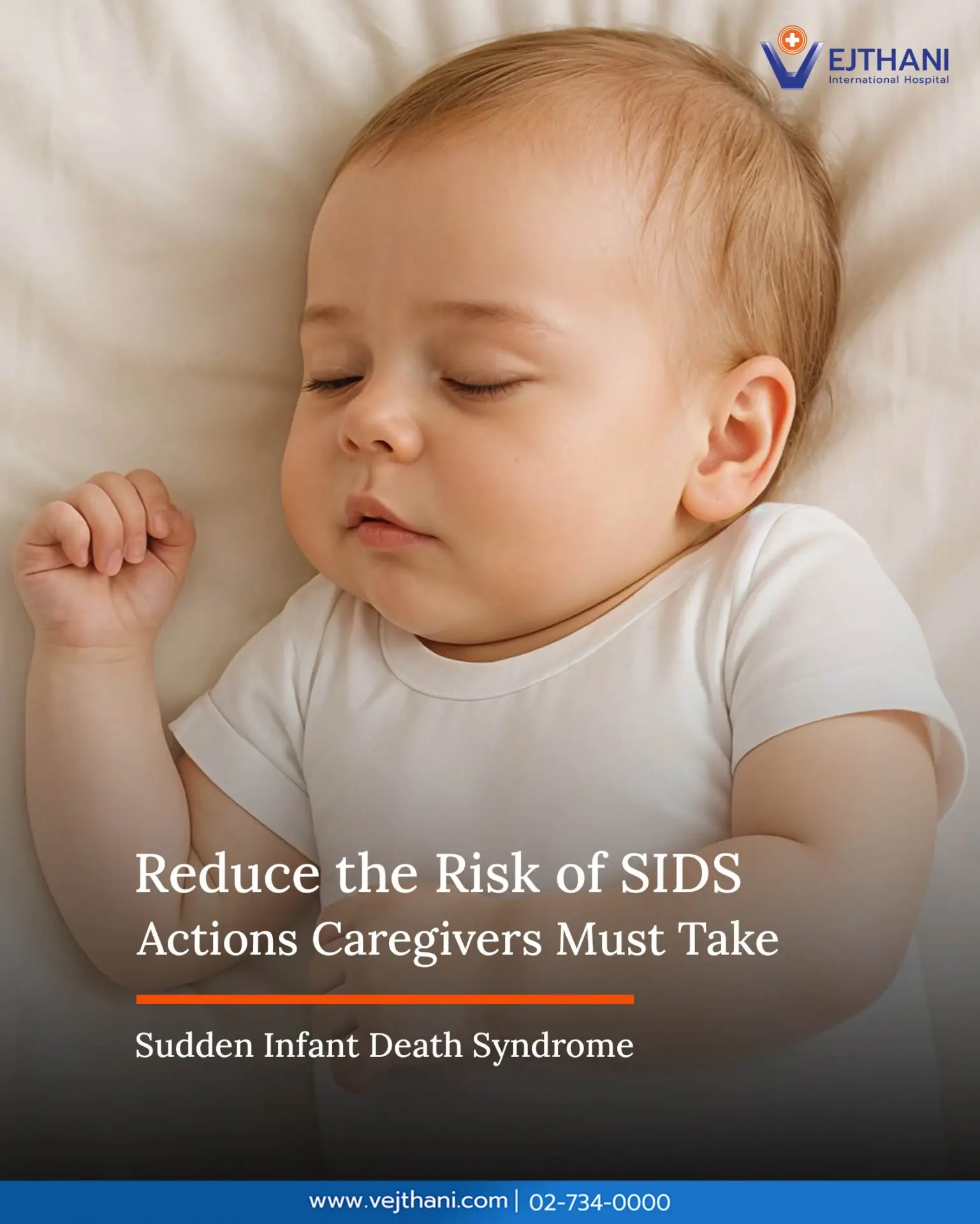
Sudden Infant Death Syndrome (SIDS) is the unexpected death of a seemingly healthy baby under the age of one, which remains unexplained even after a complete investigation. It is the leading cause of death for infants between one month and one year old.
The highest risk period for SIDS is before six months, though it continues up to 1 year old. Interestingly, SIDS occurs more frequently in daycare places than in family homes. Although the overall rate is low (less than 1 in 1,000 children), an infant’s risk of dying from SIDS in their first year is over 20 times greater than the risk of death in any of their next 17 years.
These changes have successfully reduced the number of infant deaths from SIDS, though they have not eliminated all infant deaths from SIDS.
Extensive research has identified numerous risk factors, leading to effective preventative strategies that have significantly lowered the SIDS rate, although not eliminated it entirely. These strategies involve changes to the baby’s environment, caregiver behavior, and the promotion of safe sleep practices.
Moreover, comprehensive care for the mother before and during pregnancy—including regular obstetric care and proper nutrition—is crucial, as it lowers the risks of premature birth and low birth weight. Preconception care is also essential to ensure parents and caregivers are prepared with medical care, healthy practices, and up-to-date immunizations. Consult your doctor for more guidance on infant safety.
Super Kid’s Center, Vejthani International Hospital
Call: (+66)2-734-0000 Ext. 3310, 3312, 3319