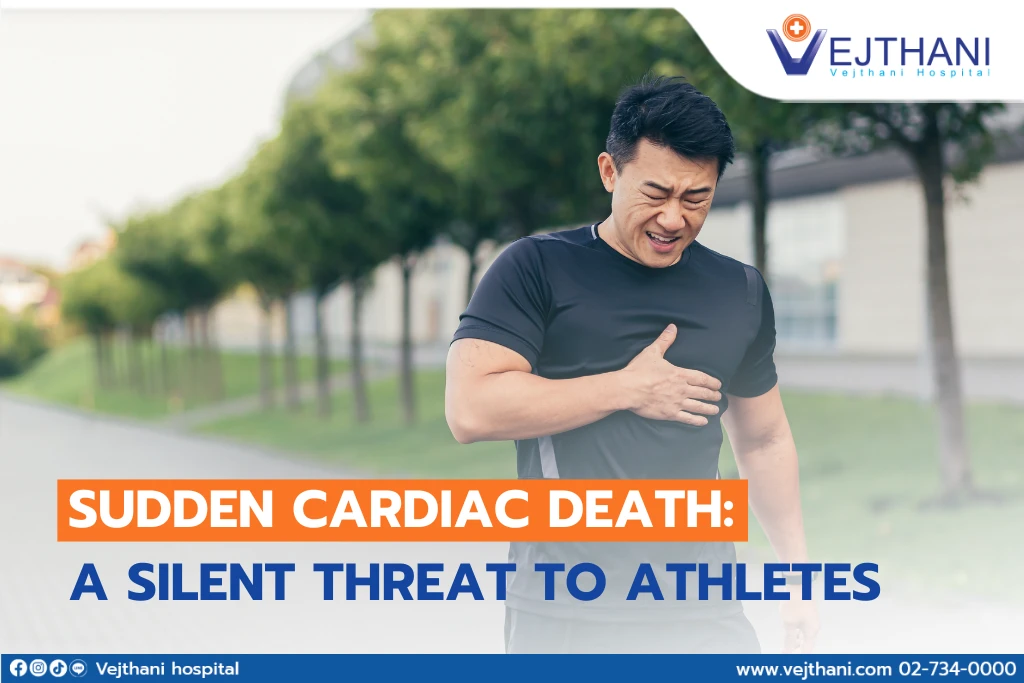
While regular exercise is a cornerstone of good health, it’s important to remember that even seemingly healthy athletes could be at risk of sudden cardiac death. This life-threatening condition can strike suddenly and unexpectedly if not treated immediately.
Symptoms of sudden cardiac death to watch for include chest pain, dizziness, fainting, shortness of breath, and an irregular or rapid heartbeat. Athletes experiencing any of these symptoms should seek immediate medical attention.
Causes of Sudden Cardiac Death in Athletes are from various Factors:
Under 35: Often linked to hidden abnormalities in the heart muscle. While regular exercise allows their bodies and hearts to adapt for peak performance, these athletes may be unaware of any underlying heart conditions. During intense physical exertion that places extra strain on the heart, these abnormalities can sometimes prevent the heart muscle from keeping up, potentially leading to sudden cardiac death.
Over 35: Sudden cardiac death is primarily caused by coronary artery blockages. During intense physical activity, the heart’s demand for blood flow increases; however, if the supply is insufficient due to these blockages, it can lead to sudden cardiac death.
Diagnosing abnormalities in athletes is challenging because athletic training induces changes in the heart that often resemble abnormal heart conditions. For example, well-trained athletes commonly develop a thicker left ventricular heart muscle, which enhances heart function. However, this characteristic can also be seen in patients with hypertrophic cardiomyopathy, a condition where the heart muscle thickens abnormally.
Regular heart assessment is crucial. Medical history, physical examinations, electrocardiograms, and advanced cardiac imaging play a significant role in accurate diagnosis and prevention of sudden cardiac death.
Recommendations for athletes and individuals participating in high-intensity sports, such as half marathons (21.1 km), include undergoing heart screening before competing. This screening can prevent sudden cardiac death during competition. Sports competition organizers should also be prepared to provide immediate assistance, including trained personnel for cardiopulmonary resuscitation (CPR) and automated external defibrillators (AEDs), which can significantly increase survival chances in cases of sudden cardiac death.
Having heart disease is not a barrier to exercising or participating in sports competitions. Exercise recommendations vary per individual and depend on their specific heart conditions. While certain heart diseases may restrict high-intensity activities or competitive sports, moderate-intensity exercise is generally safe for most heart patients under medical guidance from doctors and a team of specialists.
Although exercise offers numerous benefits, individuals planning to engage in intense physical activities or sports competitions should undergo comprehensive heart screening by a cardiologist. The screening can detect hidden heart conditions and can prevent sudden cardiac death during exercise.
For more information, please contact
Cardiac Center, Vejthani Hospital Call: (+66)2-734-0000 Ext. 5300 English Hotline: (+66)85-223-8888
We use cookies to manage your personal information in order to provide you with the best personalized user experience on our website. If you continue using the website, we assume that you accept all cookies on the website. Find out more.