 Make an Appointment
 Talk to Doctor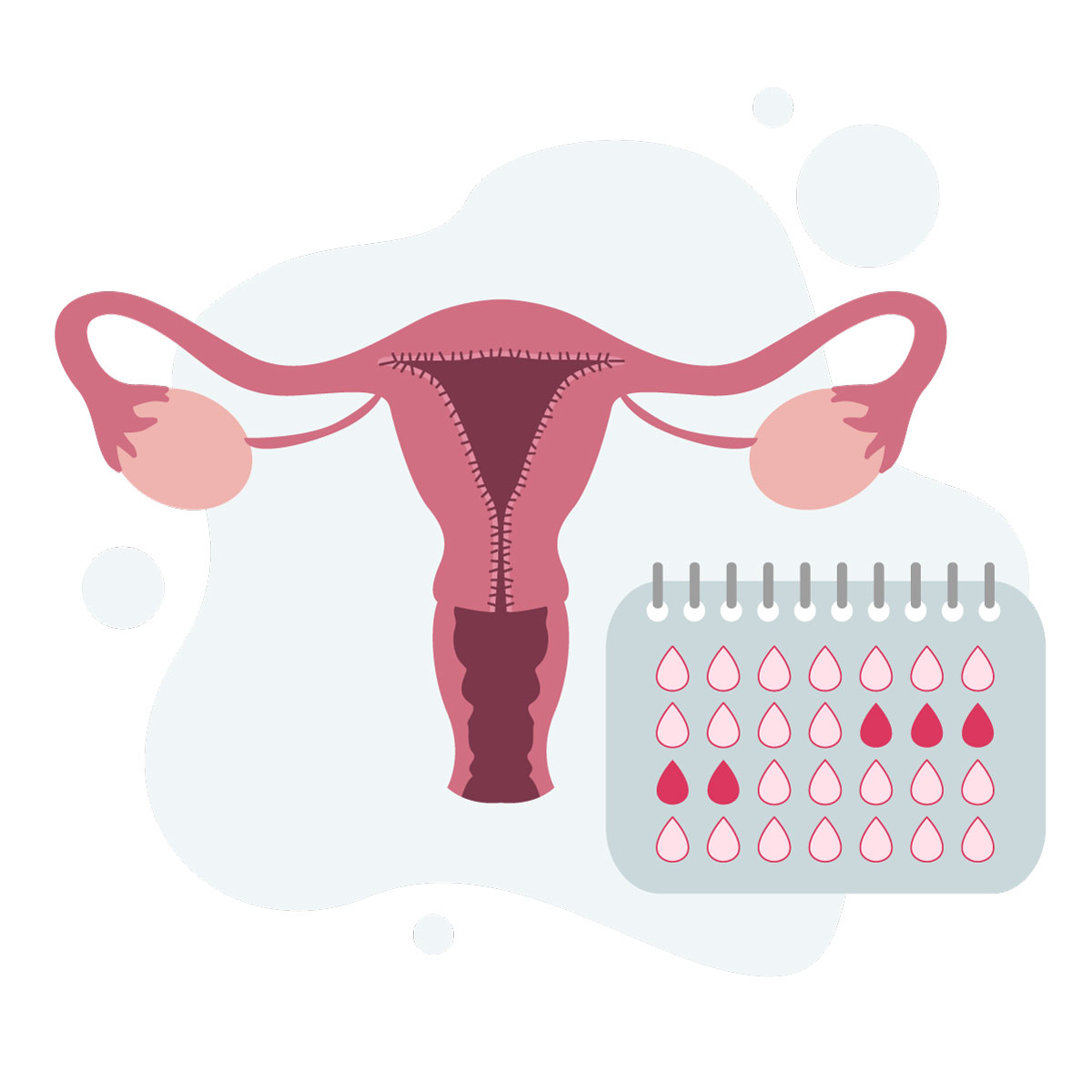
Overview
Amenorrhea is a medical condition in women characterized by absence of menstrual period in woman of reproductive age. There are two types of amenorrhea:
- Primary amenorrhea: occurs when a girl fails to have her first period by the age of 15 or within 5 years of breast development (first sign of puberty in females). The normal menstruating age for girls is around 14 to 16 years old. Absence of period can be attributed to hormonal imbalance or other female reproductive system issues.
- Secondary amenorrhea: happens when the menstrual period, which normally comes in regular basis (every 21 to 35 days), suddenly stops for at least three months in a row. This condition is frequently due to pregnancy, stress and hormonal issues.
The cause of amenorrhea will determine the appropriate medications or treatment. The doctor will evaluate an overall health assessment to properly evaluate the patient’s condition.
Symptoms
Sign and symptoms of amenorrhea depend on the underlying cause of the condition, you might experience other symptoms along with amenorrhea such as:
- Milky discharge
- Hair loss
- Headache
- Vision changes
- Excess facial hair
- Pelvic pain
- Acne
- Nausea
Women who experience any of these symptoms, or never menstruated should schedule a consultation with a doctor or gynecologist for proper diagnosis.
Causes
There are several causes of amenorrhea. Some are typical, while others could be adverse effects from medicine or an indication of an underlying health issue.
Natural amenorrhea
In different life stages of an individual, amenorrhea may occur due to natural causes, such as:
- Pregnancy
- Breastfeeding
- Menopause
Contraceptives
Amenorrhea can occur due to intrauterine devices, injectable or implantable contraceptives and even oral contraceptives such as birth control pills, might cause irregular periods in certain users as the pill contains hormones that regulate menstruation. If the person decides to discontinue taking it, regular ovulation and menstruation may take a few months to return to normal cycles.
Medications
Menstrual cycles may stop after using certain drugs, such as some types of:
- Antipsychotics
- Cancer chemotherapy
- Antidepressants
- Blood pressure medication
- Allergy medications
Lifestyle factors
There are several factors in a person’s habits or lifestyle that can cause amenorrhea, such as:
- Weight. Women who are underweight or 10% below the ideal body weight may experience hormonal irregularities that can affect the body’s ovulation process. The most common cause of low weight related amenorrhea is eating disorder such as bulimia or anorexia.
- Exercise. Women who take part in intensive sports like ballet may experience irregular periods. Low body fat, stress, and high energy deficit all work together to cause amenorrhea in athletes.
- Stress. The hypothalamus, an area of the brain that manages the hormones that regulate the menstrual cycle, may be affected because of mental stress. As a result, ovulation and menstruation can stop. Once the stress levels drop, menstruation will normally start up again.
Hormonal Imbalance
There are several conditions and illnesses that can trigger hormonal imbalance in women, such as:
- Polycystic ovary syndrome (PCOS). PCOS is a condition wherein the ovaries produce high level of androgens which cause imbalance. The abnormality in hormones can interfere with ovulation.
- Thyroid malfunction. The thyroid gland generates hormones that regulate metabolism and are involved in puberty and menstruation. Amenorrhea and other menstrual problems occur when a person has overactive (hyperthyroidism) or underactive (hypothyroidism) thyroid glands.
- Pituitary tumor. The pituitary gland controls the production of hormones. Although pituitary tumors are often benign (noncancerous), they might affect the body’s hormonal levels which affect the menstrual process.
- Premature menopause. This occurs when women starts to menopause earlier than normal so the ovaries stop or reduce its production of eggs below the age of 40, which causes a lack of menstruation. Menopause often starts around the age of 50.
Structural problems
Issues in the structure of reproductive system can also result in amenorrhea. This includes:
- Uterine scarring. After a dilation and curettage (D&C), cesarean section, or therapy for uterine fibroids, Asherman’s syndrome, a disorder in which scar tissue accumulates in the lining of the uterus, can occasionally take place. The normal accumulation and shedding of the uterine lining are hindered by uterine scarring thus, preventing the menstrual cycle.
- Lack of reproductive organs. A birth defect of the reproductive organs such as absence of reproductive system components like uterus, cervix or vagina that could originated during early development of fetus can cause amenorrhea. With missing parts of the reproductive tract, the menstrual period cannot occur.
- Structural abnormality of the vagina. This happens when there is a blockage in the reproductive passageways. It may seem that a person is not menstruating due to lack of visible blood. The blood may be trapped in the uterus and cervix by a membrane or wall in the vagina.
Risk factors
Amenorrhea-related risk factors include the following:
- Family history. Inheriting a susceptibility if other women in their family have experienced amenorrhea.
- History of certain gynecologic procedures. The risk of amenorrhea is increased if a woman had a dilation and curettage particularly one related to pregnancy, or a procedure known as a loop electrodiathermy excision procedure (LEEP).
- Eating disorders. Anorexia or bulimia are some of the eating disorders that increases the risk of amenorrhea.
- Athletic training. The risk of amenorrhea increases on athletes that regularly undergo intensive training.
Diagnosis
For women who are experiencing amenorrhea, it is recommended to be evaluated by gynecologist for proper diagnosis. The doctor will perform a pelvic examination to evaluate for abnormalities related to reproductive organs. If the patient never had a period, the doctor would evaluate their genitalia and breasts to see if they are going through the typical puberty changes.
Amenorrhea may indicate a wide range of hormonal issues. It may take some time and involve doing several different types of tests to determine the main reason.
Tests
Several tests may be required to aid in the diagnosis, these are:
- Pregnancy test. The doctor will likely recommend preliminary with this test to eliminate or confirm a potential pregnancy. If it turns out to be negative, the doctor will proceed with examining the patient and looking through the medical history.
- Thyroid function test. This test will evaluate to see if the thyroid is functioning properly by counting the quantity of thyroid-stimulating hormone (TSH) in the blood.
- Ovary function test. Follicle-stimulating hormone (FSH) levels in the blood can be used to assess the health of the ovaries.
- Prolactin test. Prolactin is a hormone released by the pituitary gland. This test measures the prolactin levels in the blood. Low level can be an indicator of pituitary gland malignancy (tumor).
- Androgen test. The level of male hormones or androgen are normally higher on men. High levels of this on women may indicate a health issue. The doctor might want to evaluate the blood testosterone levels if the patient has lowered voice and increased facial hair.
Hormone challenge test
The doctor can determine from this test whether the absence of estrogen is the cause amenorrhea. The patient must take a hormonal drug for seven to ten days prior to the test whether a hormone induce menstrual bleeding.
Imaging tests
The doctor may suggest imaging tests, such as the following, depending on the exhibited signs and symptoms and the results of the patient’s blood tests:
- Ultrasound. Allows the doctor to view the internal organs through images from sound waves and to see whether all the organs are of normal shape. It will help determine any irregularities that may have caused the amenorrhea.
- Magnetic resonance imaging (MRI). Used to analyze the cause in the pituitary gland. Radio waves with strong magnetic field are used in MRI to provide incredibly comprehensive images of any tumor or to check the reproductive organs.
Scope tests
The doctor could advise a hysteroscopy, a procedure that involves passing a tiny camera into the patient’s vagina and cervix to view the interior of the uterus. This procedure is done if other testing method fails to determine the cause of the amenorrhea.
Treatment
The cause of the condition will determine the course of treatment. Medical treatment are provided for amenorrhea originating from thyroid or pituitary abnormalities. Surgical treatment may be recommended if a tumor or structural blockage is the root of the issue. For hormone-related issues, birth control tablets or other hormone treatments are usually recommended to regain normal menstrual cycle.



