Make an Appointment
 Talk to Doctor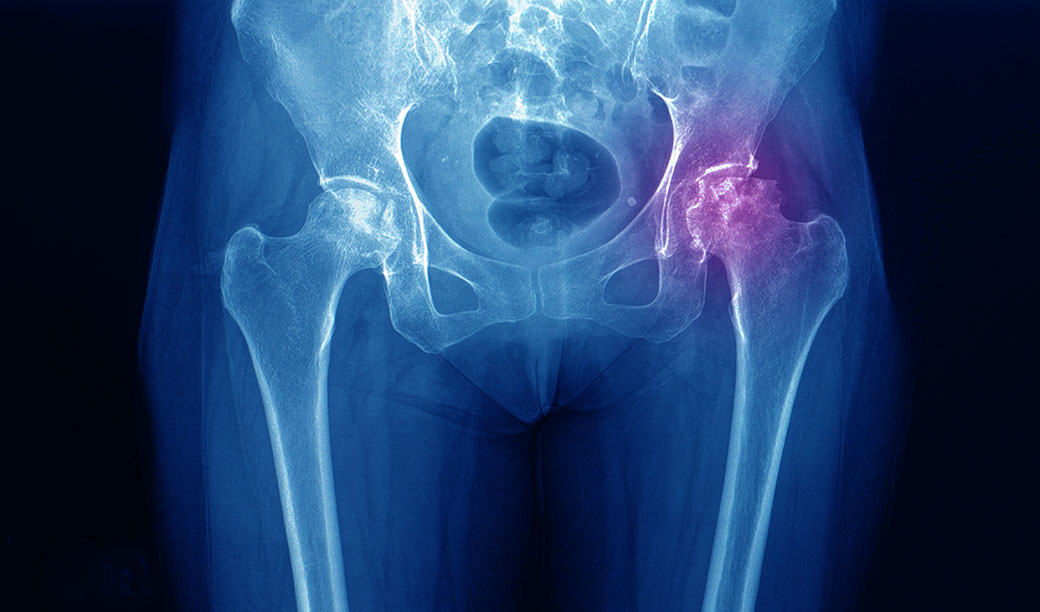
Overview
Blood carries out necessary components like nutrients and oxygen to bones for them to stay healthy and to be regenerated. Avascular necrosis or osteonecrosis occurs when bone tissue dies from a temporary or permanent shortage of blood supply. This can cause small fractures in the bone and can lead to bone collapsing. When a bone is broken or a joint is dislocated, the blood supply to a portion of the bone is disrupted. If patient has been taking high-dose of steroid medications and extensive amount of alcohol or smoking for long period of time, avascular necrosis could develop. The disease can occur in anybody, although the condition is most likely to occur in adults between 30 and 50 years old. If the condition appears near a joint, the surface around the area may break. It may impact one bone or multiple bones at a time.
Symptoms
In the beginning stage of avascular necrosis, symptom does not tend to appear. As the illness progresses, the joints that are affected will be painful when they are being pressured. Patients will experience pain overtime even when they are lying flat. The level of pain ranges from mild to severe and it gradually increases. Pain that arises from avascular necrosis of the hip may start in the groin, buttocks or thigh areas. In addition to hip, shoulder, knee, hand and foot are the parts that can be affected.
Causes
Disruption of blood flow to bones is the primary cause of avascular necrosis. Shortage of blood supply can be caused by following reasons:
- Trauma. When a bone is broken (into the joint or closed to the joint) or a joint is dislocated it may injure the blood vessels nearby. Hip fractures are common type of trauma that can lead to avascular necrosis. Radiation that is given for cancer treatment can also be a contributing factor that weakens the bones and destroys blood vessels.
- Deposits of fats in blood vessels. Accumulated fats can block small blood vessels and results in reduced blood flow that the bones need.
- Certain diseases. Some medical illnesses like sickle cell anemia and Gaucher’s disease can lead to a shortage of blood supply to the bone.
However, the cause of disrupted blood supply is unknown in around 25 percent of the patients who suffer from avascular necrosis.
Risk factors
- Trauma such as fracture or dislocation of bones can destroy the surrounding blood vessels and diminish the blood supplies to the bones.
- Steroid or high doses of corticosteroids, can result in avascular necrosis.
- Excessive consumption of alcohol or smoking for several years can lead to a buildup of fatty lipids that block the blood vessels.
- Bisphosphonate use may result in the development osteonecrosis of the jaw.
- Certain medical treatments like radiation therapy in cancer patients can make the bones weak. Transplantation of certain organs, especially kidney transplant can be the reason for avascular necrosis to develop.
Several medical conditions can also lead to avascular necrosis such as pancreatitis, diabetes, Gaucher’s disease, HIV, systemic lupus erythematosus, and sickle cell anemia.
Diagnosis
Doctor will perform a physical examination and look for tenderness around the joints. The joints will be moved to different directions to determine if the range of motion is still the same.
Imaging tests
- X-rays tends to be normal in the early stage of the disease. It will demonstrate abnormalities in the bones that appear in the advanced stages of avascular necrosis.
- Magnetic resonance imaging (MRI) and Computerized Tomogtaphy (CT) scan creates clear images that reveal changes in the bones from an early stage, which might be a sign of avascular necrosis.
- Bone scan is a procedure that requires a radioactive material to be injected into the vein. The material then goes to the injured or healing parts of the bones and appears as bright signs on the imaging plate.
Treatment
Medications
- Nonsteroidal anti-inflammatory drugs (NSAIDs) such as ibuprofen (or naproxen sodium), can be used for pain relief.
- Osteoporosis drugs such as alendronate that may delay the development of avascular necrosis, however the proofs are not definite.
- Cholesterol-lowering drugs decrease the level of cholesterol and fat in the blood and stop the blockage of blood vessels that can result in avascular necrosis.
- Blood thinners such as warfarin, may be advised if you have clotting disorder to prevent blood clots in the vessels.
Therapy
- Rest or reduce stress on the bone that has been affected your will delay the destruction.
- Exercises can help maintain the joint’s range of motion.
- Electrical stimulation can be used to trigger the body to build new bones and replace the destroyed bones. This procedure can be carried out during surgery and used on the affected spot. It can also be applied through electrodes attached to the skin.
Surgery
Surgery would be recommended when avascular necrosis has progressed to the later stages.
- Core decompression is the process of removing certain portion of the internal layers of the bones. Aside from diminishing the pain, the production of healthy bone tissue and new blood vessels can be stimulated.
- Bone graft (transplant) is the procedure that healthy bone is transplanted from other part of the body into the affected area of bone.
- Bone reshaping (osteotomy) is when a chunk of bone is removed from the above or beneath a weight-bearing joint. This is to help take the weight off the bone that has been damaged. Reshaping of bone may allow the patient to delay joint replacement surgery.
- Joint replacement surgery is performed when bones are collapsed or alternative treatments are not improving the condition.