 Make an Appointment
 Talk to Doctor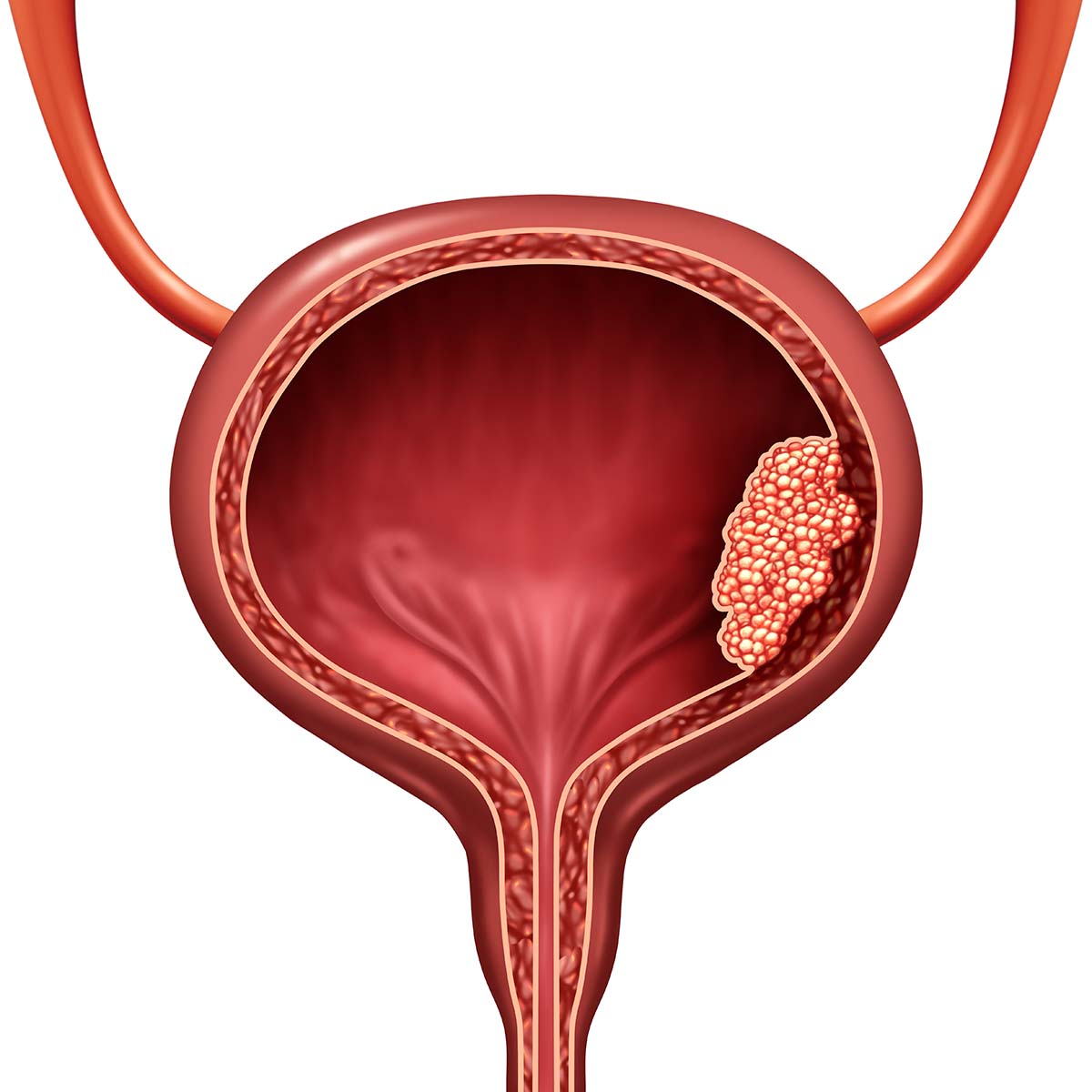
Overview
The bladder is one of the body’s organs located at the lower abdominal area which holds the urine. The bladder cells, also known as urothelial cells, can also be seen in the kidneys and the ureters. When these cells become malignant, it leads to a typical type of cancer, more common in the bladder.
Bladder cancers are most likely treatable when diagnosed at an early stage, but there is a possibility of recurrence even though it was treated early. Hence, follow up check-ups to detect any recurrence are usually required for years even after treatment.
Symptoms
Signs and symptoms of bladder cancer are as follows:
- Hematuria or blood in the urine. The appearance of the urine could range from clear or normal (only laboratory test can detect blood) up to a bright or very dark red color.
- Urinary frequency
- Dysuria (painful urination)
- Back pain
Causes
The mutation of the bladder’s DNA marks the beginning of bladder cancer which causes the mutated DNA to instruct the cells to rapidly multiply. The cancer cells will keep on living but the healthy cells die. Continuous multiplication of cancer cells grows and create a tumor, which invades and destructs the normal body tissues. As time goes by, cancer cells spread to other parts of the body, also known as metastasis.
Risk factors
Factors that may increase bladder cancer risk include:
- Old age. More than 55 years old
- Gender. Mostly male
- Chemicals exposure. Arsenic and chemical substances in textiles, paints, leather, dye industry
- Smoking.
- Has previously undergone cancer treatment. Treatment with cyclophosphamide, radiation therapy to the pelvis
- Persistent inflammation/infection of the bladder.
- Family history of cancer.
Diagnosis
In order to diagnose bladder cancer, the following procedures can be done:
- Cystoscopy. A narrow tube with lens (cystoscope) is inserted into the urethra to view the structures of the urethra and the bladder and detect any abnormality
- Bladder tissue biopsy. Small portion of the bladder is collected and examined or sometimes called Transurethral Resection of Bladder Tumor (TURBT). TURBT is also used to treat bladder cancer
- Urine cytology. The urine is analyzed under a microscope to check for cancer cells
- Diagnostic imaging procedures. Such as Computed Tomography (CT) urogram or Retrograde pyelogram
How to determine the extent of cancer
The doctor will confirm that you have a bladder cancer first. Then, there are additional procedures which may be recommended by the doctor in order to determine the extent of cancer which could detect that it may have spread through the lymph nodes or other parts of the body.
The following tests, may be recommended:
- Chest X-ray
- CT Scan
- Magnetic Resonance Imaging (MRI)
- Positron Emission Tomography (PET) Scan
- Bone Scan
The result will indicate the stage of bladder cancer from 0 to IV (Roman numerals). The lowest stage (0) means that the cancer is limited to the inner layers of the bladder and the bladder’s muscular wall is not affected. On the other hand, the highest stage (IV) means that the cancer has spread to the lymph nodes or other parts of the body.
Bladder cancer grade
You can classify a bladder cancer further through their appearance under a microscope, also known as the grading, such as:
- Low-grade bladder cancer. The appearance of the cells of this type of cancer is very similar to the normal cells or also called well-differentiated. The tumor is slow-growing and does not reach the bladder’s muscular wall.
- High-grade bladder cancer. The appearance if the cells look irregular and different from the normal cells or also called poorly-differentiated. It grows more rapidly and is more likely to invade the bladder’s muscular wall or other parts of the body.
Treatment
The type, grade and stage of cancer are some of the factors which can affect how to choose which treatment to apply aside from your general health and personal choice of treatment.
Bladder cancer treatment may include:
Surgery
- Cystectomy– removes all or part of the bladder
- Transurethral Resection of Bladder Tumor (TURBT) Diagnose bladder cancer and removes cancer cell in inner layers of the bladder
- Neobladder reconstruction Creates a urinary diversion to reroute urine flow from the normal pathway.
- Ileal conduit Removes part of the intestine to create a new pathway of the urine
- Continent urinary reservoir A part of the intestine is used as a pouch (reservoir) holding the urine inside your body as a urinary diversion
Chemotherapy
- Intravesical chemotherapy or bladder chemotherapy. Chemotherapy focusing on the lining of the bladder, primary treatment for superficial bladder cancer
- Systemic chemotherapy. Combined with surgery to remove the bladder and has the highest chance of cure.
Radiation therapy
Radiation therapy also an option combined with chemotherapy, when surgery cannot be done to fight cancer cells.
Immunotherapy
This treatment stimulates the body’s immune system to destroy cancer cells in the bladder or all over the body.
Targeted therapy
Targeted therapy used in the treatment of advanced cancer when other treatments fail. The specialist usually recommends a combination of treatment options.



