Tiredness, heart palpitations are the signs of Heart Arrhythmia
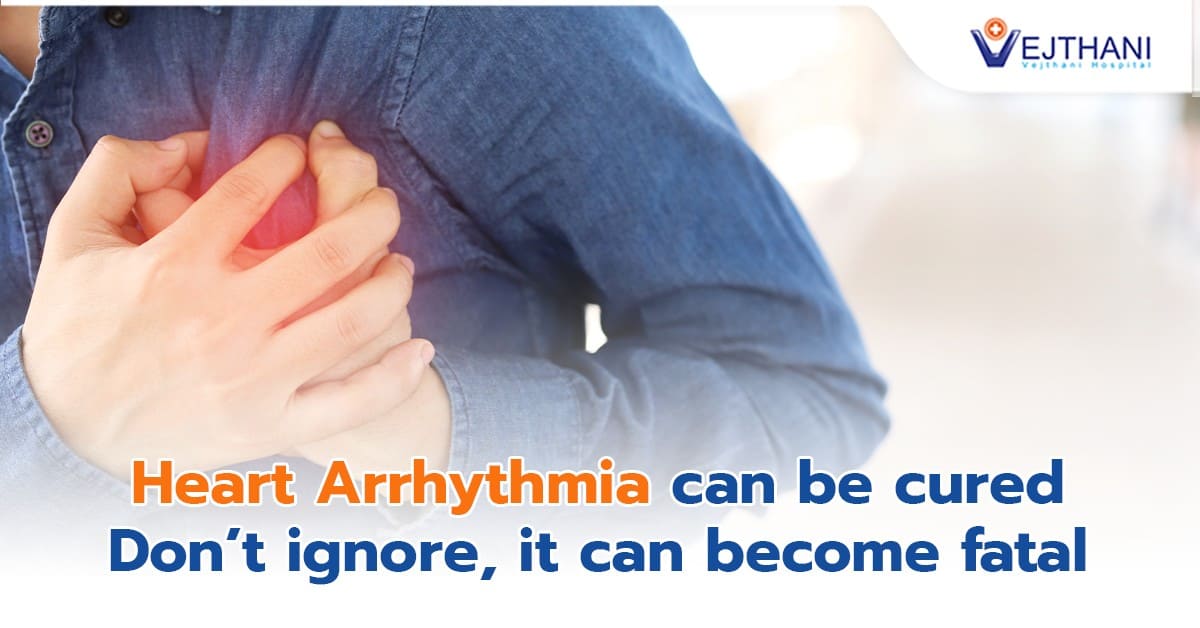
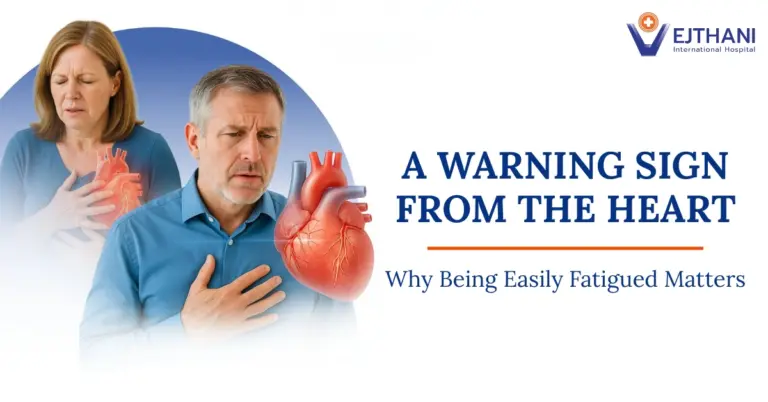
Have you ever experienced tiredness, palpitation, fainting, or falling unconscious? They might be signs of heart arrhythmia which often time; patients don’t rush to see a doctor even after having the symptoms. By the time they become aware of it, the symptoms progressed or other complications developed.
Heart arrhythmia is classified into two types: fast heartbeat and slow heartbeat. Seeing a specialist early will allow the doctor to diagnose and make a treatment plan in the right time. More importantly, detecting the disease from an early stage will make the treatment process less complicated. There are many ways to treat heart arrhythmia, depending on the abnormality of the symptoms and the severity. The treatment comprise the use of medications to control the heart rate, regulating the heartbeat with a pacemaker, implanting an automatic implantable cardioverter-defibrillator (AICD), as well as performing ablation with a radiofrequency catheter.
People who are at risk of developing Heart Arrhythmia
Heart arrhythmia could be caused by many reasons. It could be due to changes to the heart structure. For example, congenital heart disease, cardiomyopathy and leaky heart valves, as well as other disorders that have impacts on the heart function. For instance, diabetes, high blood pressure, stress and taking or receiving certain drugs or chemical substances such as amphetamine and caffeine.
However, those who have never had symptoms of heart arrhythmia may also experience irregular heartbeat. Thus, if suspicious symptoms of heart arrhythmia arise such as palpitations, fast heartbeats, dizziness or fainting, see a doctor immediately for further investigations. And if symptoms occur, treatment can be received right away.
Diagnosis and treatment of Heart Arrhythmia
Doctors initiate the diagnosis of heart arrhythmia by taking medical history from the patient, perform physical examinations, record electrical signals from the heart using electrocardiogram (EKG) or a 24 hour Holter monitor or conducting an electrophysiological study. The doctor will assess and choose the proper diagnostic test for each patient.
To treat heart arrhythmia, the doctor may consider prescribing oral medications to control the condition, and in that case the patients will have to take the pills for the rest of their lives. Using a pacemaker to regulate heartbeats, or implanting an automatic implantable cardioverter defibrillator (AICD) may also be taken into considerations. Apart from these, there is an advanced technology to treat the disease, known as a radiofrequency ablation that targets the areas in the heart that causing irregular heartbeats. This is a non-surgical treatment that does not need anesthesia. It requires only one night hospital admission before the patients can return home.
2 types of Radiofrequency Ablation
- Electrophysiology Study is a diagnosis of the heart. The results show in 2-dimensioal graphs. It is an evaluation of the electrical impulse of the heart and electrical pathway, to determine the cause of irregular heartbeats as well as to locate abnormal spot to send high-frequency radio waves. This procedure allows continuous treatments following the electrophysiology study.
- 3D System discovers the original spot of the abnormal electrical heart signal. The test displays Real-Time 3D images and uses a catheter to pinpoint the problematic areas with high-frequency radio waves. This can treat the abnormality of the electrical heart signal that originated at a wide complicated spot such as
- Atrial Tachycardia
- Atrial Fibrillation
- Ventricular Tachycardia
- Supraventricular Tachycardia
Treating heart arrhythmia with radiofrequency ablation has 95-98 percent chances of cure. Intake of lifetime medications will no longer be required. However, the treatment procedure varies on the symptoms, the type of illness and the specialist’s assessment.
How to look after patients of heart arrhythmia
Patients with heart arrhythmia can take care of themselves by consuming healthy food, focusing on low-fat diet, rice bran, vegetables and fruits, along
with proper and regular exercises, enough sleep, and reducing stress. Avoiding strong flavored foods, alcohol, caffeinated drinks such as tea, coffee, as well as certain stimulants that may have an effect on the heartbeat is also essential. If taking drugs or vitamins is a necessity, the patient is advised to consult a doctor to prevent the possible effects of the medicines on the body and stops the symptoms of heart arrhythmia to develop.
Although heart arrhythmia can be fatal, early detection and receiving treatment from a specialist can reduce its severity with a chance of permanent cure.
For more information, please contact
Cardiac Center, 5th floor, Vejthani Hospital 02-734-0000 Ext. 5300
Or call our English Hotline +66 (0) 85-223-8888
Readers’ Rating
3.7 out of 5 stars (based on 3 reviews)