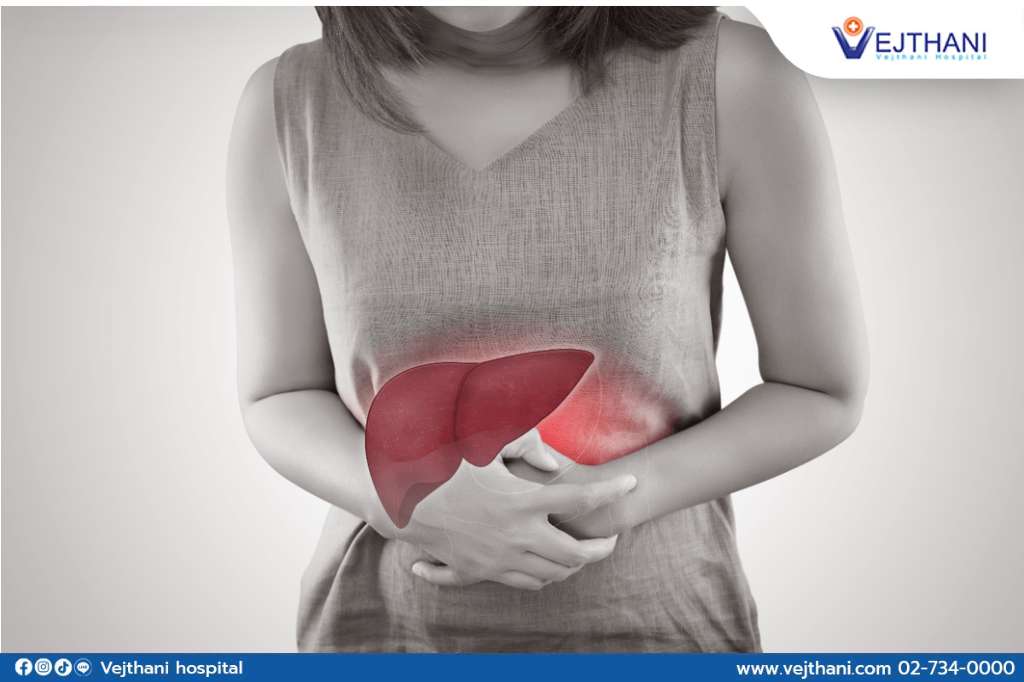
Hepatitis
is a disease that infects and inflames your liver. There are five types of
Hepatitis, though the most common types are Hepatitis A, B, and C. All of them affect the liver
to varying degrees. The most serious types of are B and C.
Because the virus can be transmitted through
so many everyday facets of life, such as food, water, and close physical
contact with a person who has the disease, the best form of prevention is
vaccination.
Children can receive the vaccination for the
virus when they’re as young as one-year-old. Adults can also receive the
injection at any time, usually followed up with booster vaccination six months
after the initial injection.
If you’re traveling to an area known to have
undeveloped sanitary conditions or questionable water and food supply, you
should take precautions as well as get a vaccination. You should also develop
common precautions as a force of habit, as you can contract Hepatitis anywhere in the
world.
Common Precautions Against Hepatitis
Some of these precautions may sound extreme
and go against your lifestyle. If you have been inoculated against the virus,
some of them may be unnecessary. However, if you’ve been unable to get a
vaccination before traveling, these precautions can lessen your chances of contracting
the disease.
Viruses can be contracted through the things
you touch, as well as the things you ingest. Get in the habit of washing your
hands thoroughly throughout the day. Use an alcohol-based sanitizing liquid, or
hand soap. Avoid touching your eyes, mouth or nose when you’re out and about
and handling everyday items, or wash your hands before you do.
Only drink bottled water and use it to brush
your teeth as well. The ice in Thailand usually comes from a commercial vendor,
that uses filtered water to manufacture ice that is perfectly safe to ingest.
But if you’re in an area where you don’t know the origin of ice in bars or
restaurants, avoid ordering drinks with containing it.
Street food may also be a source of the virus.
Avoid dairy products in street food and any undercooked meat, poultry or fish.
Vegetables and fruit may also carry the virus
because of unclean water used to wash them. You can lessen your chances of
contracting the disease by avoiding uncooked vegetables and unpeeled fruit.
Symptoms and Treatment of Hepatitis
If you experience symptoms ranging from dark
urine, low-grade, persistent fever, stomach pain, yellow skin or eyes, a pale
stool, loss appetite, and fatigue, you should visit Vejthani Hospital.
The doctors at Vejthani can perform a health
check and blood test to determine if you carry the hepatitis antibody. If you
have type A, this is a milder form of the disease. It will generally clear up
in about two months and won’t cause any lasting damage to your liver as long as
you stay well-nourished and well-hydrated.
However, if you have type B or C, you may have
been infected for six months or longer and have a chronic from of the virus.
You may require a course of drug therapy. The drugs used to treat B and C are different,
so you must see a qualified doctor for your initial diagnosis.
Drug therapy has been shown to be effective in
about 90-100% of
the cases of Hepatitis
C, with most treatments being centered around direct-acting antiviral drugs
(DAAs). The treatments can take between 8-12 weeks.
For the best diagnosis and treatment of Hepatitis in Bangkok, visit Vejthani Hospital
if you suspect that you’ve contracted the disease.
We use cookies to manage your personal information in order to provide you with the best personalized user experience on our website. If you continue using the website, we assume that you accept all cookies on the website. Find out more.