Acute myelogenous leukemia
 Make an Appointment
 Talk to Doctor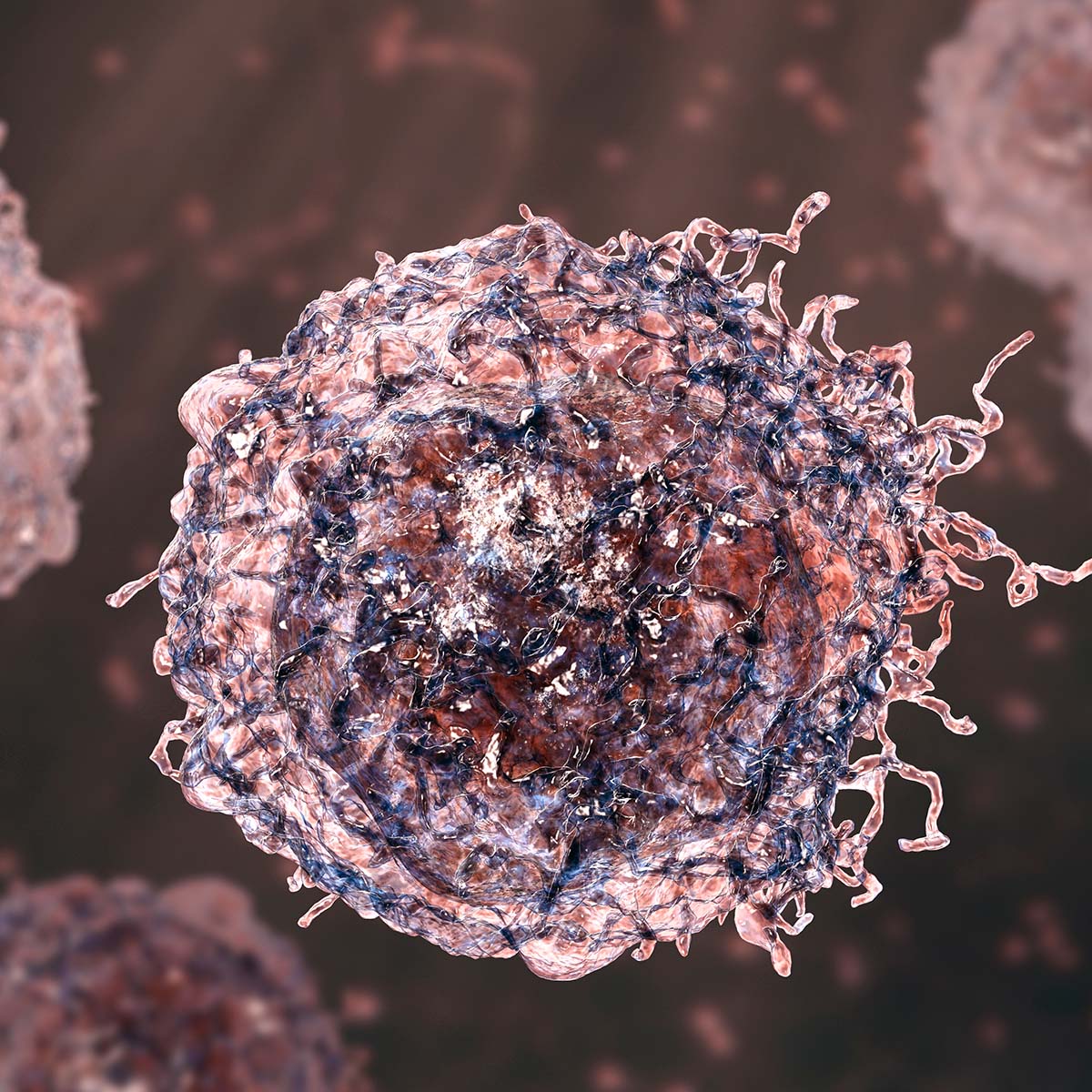
Overview
The bone marrow is the spongy tissue inside the bones which forms blood cells. Acute Myelogenous Leukemia (AML) is a type of cancer that affects the blood and bone marrow. AML is the rapid progression of leukemia targeting a specific group of white blood cells known as myeloid cells. These cells mature and become the red blood cells, white blood cells and platelets.
AML also known as acute myeloid leukemia, acute myeloblastic leukemia, acute granulocytic leukemia and acute nonlymphocytic leukemia.
AML develops due to genetic material or DNA mutation of the bone marrow cells. The mutated DNA instructs the bone marrow cells to keep growing and dividing until it’s out of control. The immature cells are then produced and developed into white blood cells named myeloblasts which cannot function correctly and outgrow healthy blood cells.
Symptoms
The signs and symptoms may look like other common diseases or flu which include:
- Anemia and pale skin
- Easily gets bruising or bleeding (e.g., nosebleed or bleeding gums)
- Gets infection frequently
- Fever
- Bone pain
- Sleepiness and extreme tiredness
- Loss of appetite or unexplained weight loss
If these symptoms occur and it worries you, consult a doctor for proper diagnosis.
Risk factors
The following are the risk factors of developing AML:
- Old age. AML is common in older people starting at age 65.
- Sex. Men are at more risk than women.
- Previous cancer treatment. Previous treatment with specific types of chemotherapy and radiation therapy.
- Radiation exposure. High radiation level exposure (e.g., nuclear reactor hazard).
- Chemical exposure. Certain chemical exposure like benzene.
- Cigarettes contain benzene and other cancer-causing chemicals.
- Other blood disorders. Blood disorders including myelodysplasia, myelofibrosis, polycythemia vera or thrombocythemia.
- Genetic disorders. Having Down syndrome (a genetic disorder).
Diagnosis
The doctor may advise the following diagnostic tests if you have signs and symptoms of AML:
- Blood tests. If the white blood cell levels are too high and while the red blood cells and platelets too low, this may indicate AML. On the other hand, white blood cells may also be too low. Another marker that may indicate AML is the presence of blast cells, which are immature cells that are not usually found in the blood circulating in the body but should only be in the bone marrow.
- Bone marrow biopsy. Bone marrow biopsy is done to confirm the diagnosis. A needle is inserted into the bone marrow (usually in the hip bone) and takes a sample which is tested in the lab.
- Lumbar puncture (spinal tap). Certain situations may need to check the spinal fluid in the spinal cord if it shows any leukemia cells. A tiny needle is inserted through lower back to access the spinal canal and collect spinal fluid.
- Testing your cancer cells in the laboratory. Leukemia cells may be tested in the lab to check for genetic mutations. This process may guide with your prognosis and proper treatment.
Once you are suspected to have leukemia, you will be referred to a hematologist (specializes in blood cancer) or medical oncologist.
Treatment
There are a lot of factors to consider when deciding of which treatment will be done for AML such as age, general health condition, AML subtype and patient’s preferences.
There are two phases of treatment which include:
- Remission induction therapy. The first phase aims to kill the leukemia cells in blood and bone marrow but it may not kill all of the leukemia cells that is why further treatment is needed to prevent the recurrence.
- Consolidation therapy (post-remission therapy or maintenance therapy). This phase’s goal is the destruction of the remaining leukemia cells. This is a significant phase to avoid the relapse of disease.
During these phases, the following therapies are provided:
- Chemotherapy. This therapy kills cancer cells in the body and it is the main form of remission induction therapy. Chemotherapy may also be used in the consolidation phase.
During chemotherapy, patients need to stay in the hospital because the drug also kills the normal cells in the body aside from the leukemia cells. If there is no remission after the first cycle of chemotherapy, it may be repeated. - Targeted therapy. This therapy specifically targets the abnormalities of the cancer cells. Once blocking the abnormalities, the cancer cells then die. The leukemia cell will be checked if it is eligible for targeted therapy. This therapy may be utilized on its own or mixed with other therapy such as chemotherapy for induction and consolidation therapy.
- Bone marrow transplant (stem cell transplant). This procedure helps to reconstitute the healthy stem cells. It substitutes abnormal bone marrow with stem cells that does not contain leukemia and recreates healthy bone marrow. This is usually done during consolidation therapy phase.
Before a bone marrow transplant, very high doses of chemotherapy or radiation therapy is administered to kill the bone marrow that produces leukemia cells. Then, stem cells from a compatible donor (allogeneic transplant) will be infused.
If you were able to take out your healthy stem cells from your previous remission, it may be stored for future transplant to yourself (autologous transplant).



