
Egg Freezing, an Option for Your Future Baby
Do you know that the older you get, the harder you can get pregnant? It’s because of the decrease in your egg’s quality
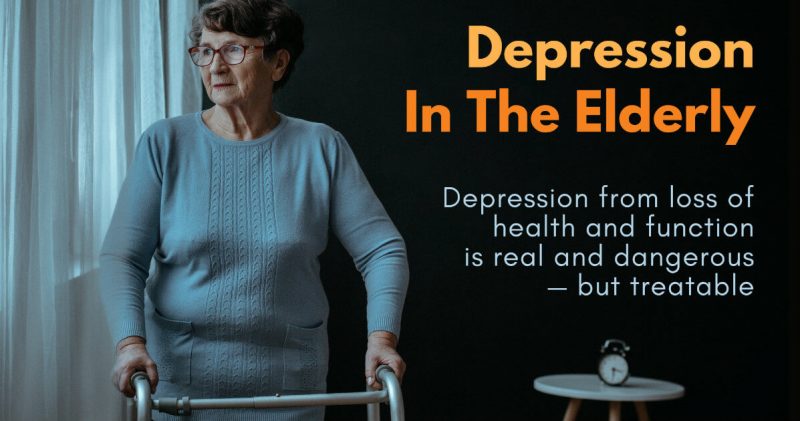
Have you lost interest in the activities you used to enjoy? Are you feeling helpless and hopeless? Are you finding it harder to get through the day? It can be the telltale signs of depression.
Especially if you are over 60 years old, your body functions and health decline. Not only the muscles and bones, but the brain and nervous system too including your mental health.
Depression is a serious illness caused by the changes in brain chemistry. Research tells us that other factors including genetics, changes in hormone levels, certain medical conditions, stress, grief or difficult life circumstances also contribute to the onset of depression.
In addition, medical conditions can also cause depression in older adults. Such depression does not only stem from the genetics or as a psychological response to the illness. Any chronic medical condition, particularly if it is painful, disabling, or life-threatening, can lead to depression or make depression symptoms worse.
Last but not the least, support from family and relatives is the most important remedy of elderly depression. Once diagnosed, the problem of depression in the elderly can be managed easily with love and relationships in the family itself.
Savitree Mongkolkeha, B.Pharm.
Piyaporn Nampai, B.Pharm.
Drug Informations Service,
Vejthani hospital
service@vejthani.com



