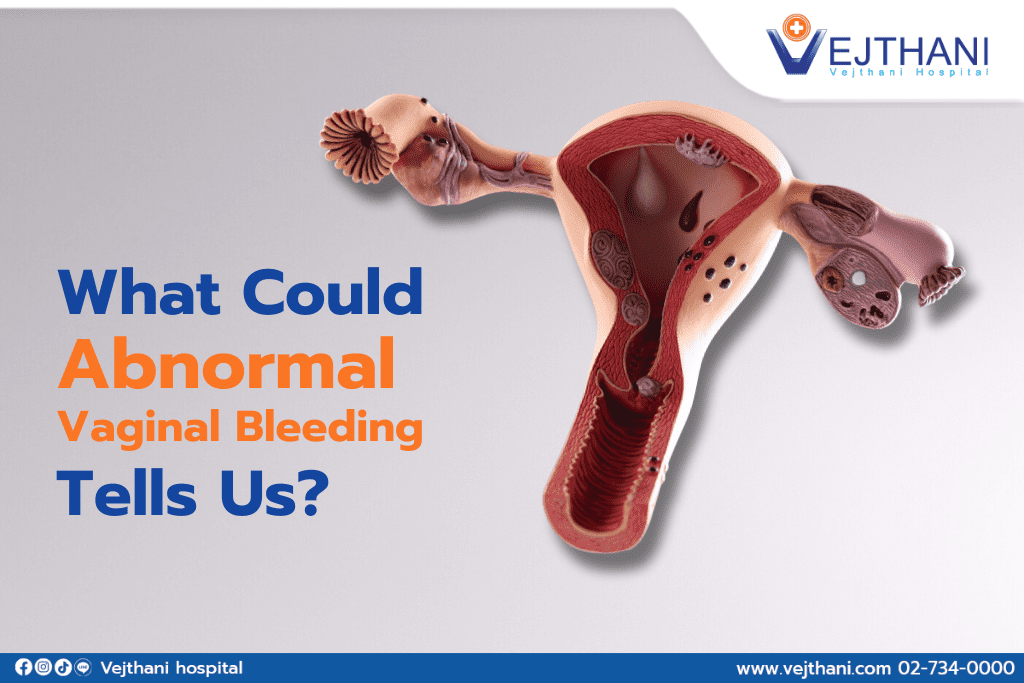
Vaginal bleeding is a natural part of a woman’s reproductive cycle during menstruation. However, bleeding outside of your expected period can be a cause for concern. Abnormal vaginal bleeding can occur in various ways:
Bleeding between periods (intermenstrual bleeding)
Heavy bleeding during periods (menorrhagia)
Bleeding after menopause
Spotting (light bleeding)
Bleeding after sexual intercourse
While some instances of abnormal vaginal bleeding may not be serious, it’s crucial to understand the underlying causes to ensure your health and well-being.
Common Causes of Abnormal Vaginal Bleeding:
Hormonal Imbalances: Fluctuations in estrogen and progesterone levels can disrupt the regular menstrual cycle, resulting in irregular bleeding. This is common during puberty, perimenopause (the transition period before menopause), and after childbirth.
Birth Control Methods: Starting, stopping, or switching birth control pills, hormonal IUDs, or the vaginal ring can cause spotting or irregular bleeding patterns. These usually adjust within a few cycles.
Fibroids: These are non-cancerous growths in the uterus that can cause heavy or prolonged periods.
Endometriosis: Tissue similar to the uterine lining (endometrium) grows outside the uterus, causing pain and irregular bleeding.
Pelvic Inflammatory Disease (PID): This infection of the reproductive organs can cause abnormal bleeding and pelvic pain.
Ovarian Cysts: Sacs filled with fluid on the ovaries can sometimes cause irregular bleeding.
Polycystic Ovary Syndrome (PCOS): This hormonal disorder can lead to irregular periods or lack of ovulation, causing irregular bleeding.
Cervical Polyps: Benign growths on the cervix can cause spotting or bleeding after intercourse.
Cervical Cancer: This is less common, but abnormal vaginal bleeding can be a symptom in some cases.
Stress: Severe emotional stress can temporarily disrupt your menstrual cycle, resulting in irregular bleeding.
Medications: Certain medications, like blood thinners, can affect your bleeding patterns.
When to see a doctor?
If you experience any of the following concerning symptoms, it’s crucial to see a doctor.
Heavy bleeding that soaks through one or more pads or tampons per hour for several hours in a row
Bleeding that lasts longer than seven days during your period.
Bleeding between periods consistently
Bleeding after menopause
Severe pelvic pain or cramping
Fever, chills, or other signs of infection
Difficulty passing urine or pain during urination
Unexplained weight loss
Diagnosis and Treatment:
The doctor will discuss your medical history, bleeding patterns, and any other symptoms you’re experiencing. Physical exam and potentially additional tests like a pelvic ultrasound, pap smear, or endometrial biopsy might be necessary to determine the cause of your abnormal bleeding.
Treatment depends on the underlying cause. It might involve:
Hormonal therapy to regulate your menstrual cycle
Medication to shrink fibroids or endometriosis
Laparoscopic surgery or scarless, minimally invasive procedure to remove polyps or treat abnormal uterine tissue
Surgery is required in some cases like large fibroids or severe endometriosis. Myomectomy is the removal of fibroids but not the uterus, or Hysterectomy, which is a removal of your uterus. It is used when other treatments have failed or when treating endometrial cancer.
Maintaining Women’s Health:
Having regular gynecological checkups allows your doctor to monitor your overall reproductive health and identify potential problems early on. This includes discussing any abnormal bleeding you experience.
Practice safe sex to reduce the risk of infections
Maintain a healthy weight
Manage stress through exercise and relaxation
Eat a balanced diet rich in fruits, vegetables, and whole grains
Seeking medical advice is crucial to identifying the cause and receiving proper treatment. By understanding potential causes of irregular bleeding and knowing when to see a doctor, can ensure your well-being.
For more information, please contact
Women’s Health Center, 2nd Floor, Vejthani Hospital Call: (+66)2-734-0000 Ext. 3200, 3204 English Hotline: (+66)85-223-8888
We use cookies to manage your personal information in order to provide you with the best personalized user experience on our website. If you continue using the website, we assume that you accept all cookies on the website. Find out more.