 Make an Appointment
 Talk to Doctor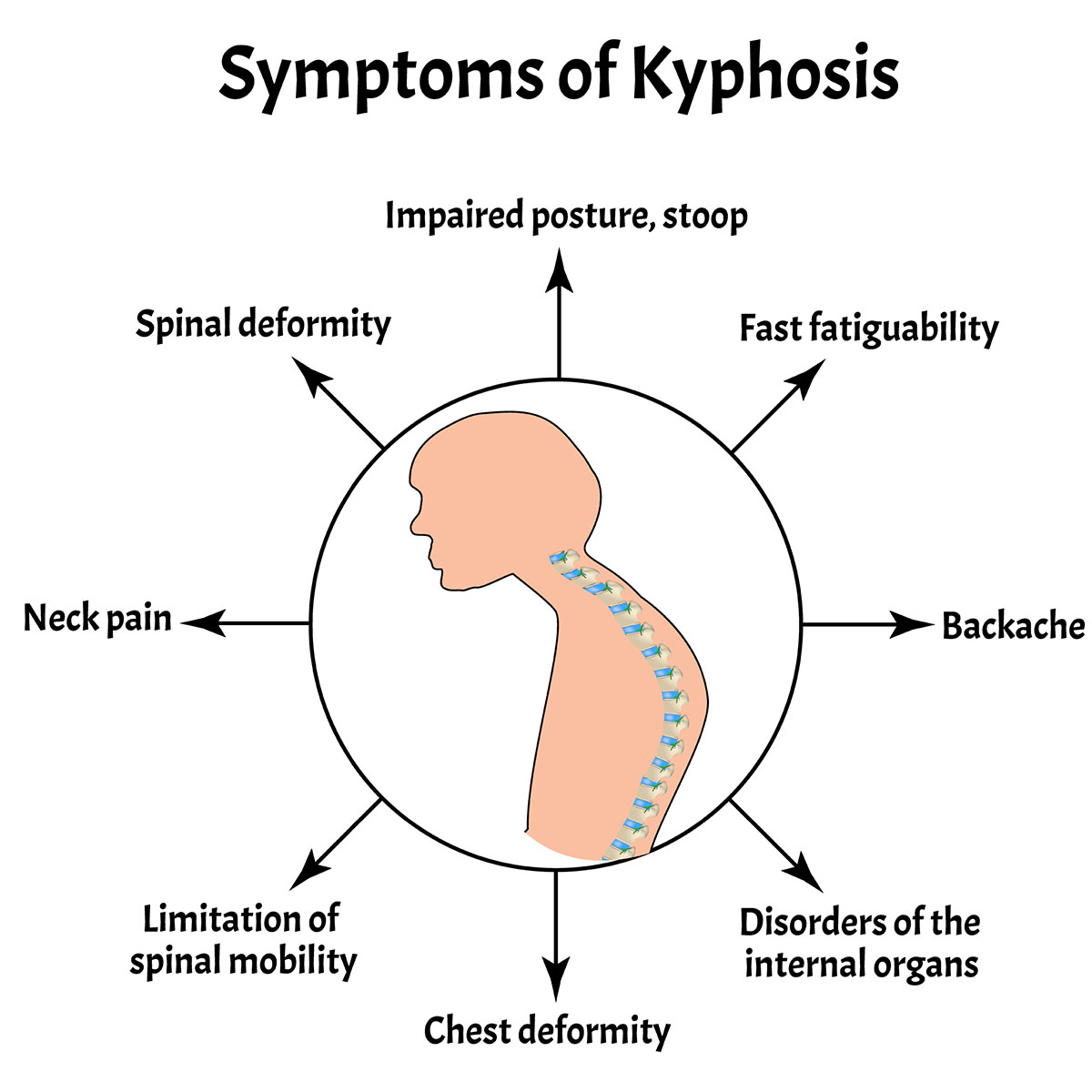
Overview
Kyphosis is the overly hunching forward (curvature) of the back which is most common in older women but it can also happen at any age. The spinal bones become fragile when you get old which can lead to kyphosis. The spinal cord is being compressed or cracks in this condition. When it occurs in infants or teenagers, it is due to deformity of the spine causing the reduction in spinal bone gap as time goes by. There are fewer complications related to mild kyphosis but if it is a severe type, it can cause pain and deformity.
Signs and Symptoms of Kyphosis
There may be no specific signs and symptoms in mild kyphosis but some may complain of back pain and stiffness aside from the unusual curvature of the spine. If you notice that the curvature is getting worse, it is recommended to see the doctor.
Causes of Kyphosis
The vertebrae are being lay on top of each other together making up the spine so when they appear to look wedged in the upper back part, kyphosis happens.
The following can be the reasons of abnormalities in the vertebrae.
- Fractures. When the vertebrae has a compression fracture (broken or crushed bones), the spine will create a curvature. If the curvature is mild, it’s possible that you cannot find any signs and symptoms.
- Osteoporosis. This condition is mostly found in women and those who were given a long-term treatment of corticosteroids. Osteoporosis makes the bone brittle resulting to the vertebrae to have compression fracture. This leads to a curvature of the spine.
- Disk degeneration. The spinal disks are soft and round materials that cushions the vertebrae. When you get older, the disks dry out and shrink leading to severe kyphosis.
- Scheuermann’s kyphosis (Scheuermann’s disease). This condition starts during puberty period which affects boys more than girls.
- Birth defects. Kyphosis may also as congenital defects, when the spinal bones fail to develop.
- Syndromes. Specific syndromes can cause curvature of the spine such as Ehlers-Danlos syndrome and Marfan syndrome.
- Cancer and cancer treatments. Not only can spine cancer cause the bones to have compression fracture leading to kyphosis, but also chemotherapy and radiation therapy.
Diagnosis
The doctor will perform physical assessment and let you move into various directions to check for spinal curvature as well as neurological assessment to check for the any damage to the nerve’s reflexes and strength of the muscles.
The following tests may also be recommended:
- X-rays. Shows the spines curvature and any deformities.
- Computed tomography (CT) scans. Shows a more detailed image of the spine.
- MRI. Views tumors or presence of infection.
- Nerve tests. Checks for nerve impulses between your spinal cord and extremities to detect any muscle weakness or numbness.
- Bone density tests. Brittle bones or bones with less density may lead to severe kyphosis.
Treatment
The treatment is based on patient’s age and the cause and severity of kyphosis.
Medications
- Pain relievers. Over-the-counter medications such as acetaminophen, ibuprofen or naproxen sodium are often available but if they are not enough, prescription pain relievers may be taken.
- Osteoporosis medications. Further spinal fractures leading to severe kyphosis can be avoided by taking medications that can strengthen the bones.
Therapy
The doctor may advice therapy to help in kyphosis treatment such as:
- Braces. Wearing a body brace can help eradicate the progress of kyphosis in children with Scheuermann’s disease.
- Exercises. The spine may regain its flexibility and alleviate back pain through stretching exercises.
Surgical and other procedures
In severe cases of kyphosis that has nerve compression, surgery by spinal fusion may be advised by the surgeon. It is the most common procedure to reduce spinal curvature. The surgeon places bone pieces between the vertebrae and locks them together using metal hardware (rods and screws) and waits for the spine to return to its normal alignment.



