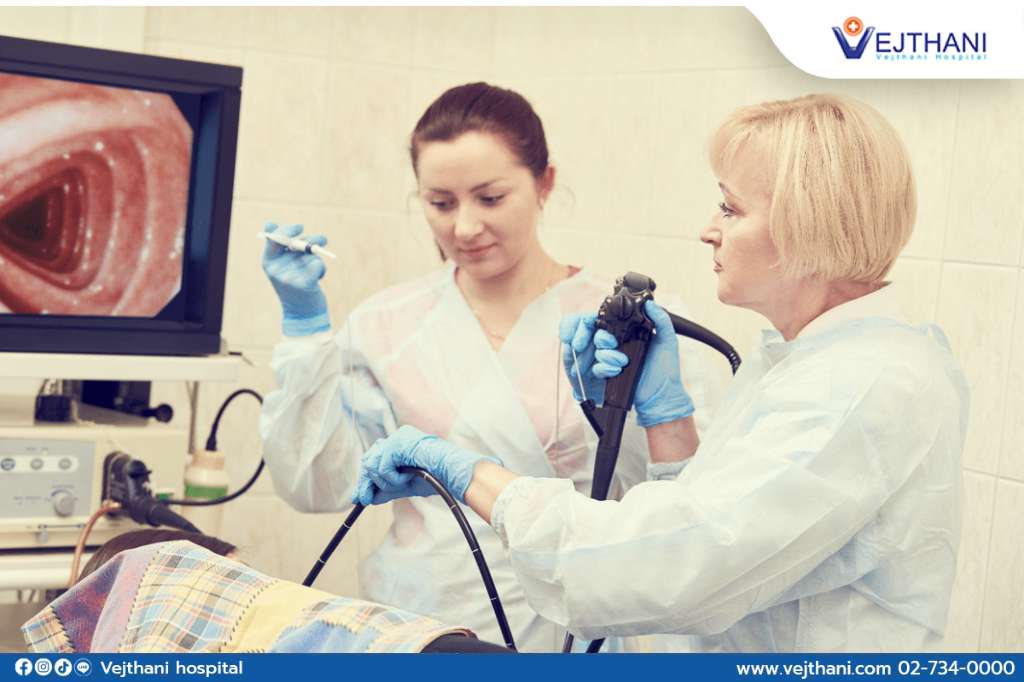
How is Esophagogastroduodenoscopy Used in Diagnosis?
Esophagogastroduodenoscopy
(EGD), is a diagnostic process that uses an endoscope to probe the gastric,
duodenal and intestinal areas of the body.
The endoscopes of today are a far cry from the
bulky and cumbersome endoscopes of the past. The first widely-used endoscopes
used fiber-optics to provide light and transmit an image of the interior
cavities of the body to a lens doctors could look through to determine their
diagnoses of the patient’s problem.
Modern endoscopes are much thinner and cause
much less discomfort to the patient, as well as being much more comfortable for
a doctor to use. Today’s endoscopes usually make use of a tiny camera mounted
on the end of the tube to send a video image to a monitor.
In both the early and modern versions, the
scopes are highly flexible, and the tip can be controlled remotely by the
doctor performing the esophagogastroduodenoscopy.
Procedure of Esophagogastroduodenoscopy
A patient about to undergo an EGD process will
have their vital signs monitored throughout the procedure. Medicine will be
injected into the patient to help them relax. A local anesthetic is sprayed
into the mouth and throat to lessen the patient’s gag reflex, and a mouth guard
is used as well to protect both the patient’s teeth and the endoscope from any
damage.
Any dentures are removed from the mouth to
facilitate the insertion of the scope, and the patient will be instructed to
lie on their left side during the procedure.
In the event of a narrowed or constricted
esophagus, treatments can be performed that will rectify the problem.
The scope is inserted through the esophagus
and down into the stomach and duodenum. Air is usually pumped into the cavities
as well to prevent the stomach walls from obscuring the image from the
endoscope.
The esophagus is examined as the scope is
inserted. The stomach lining and top of the duodenum is examined once the scope
reaches those areas. Tissue samples can be collected, and biopsies can be
performed by using the endoscope.
Uses of Esophagogastroduodenoscopy
EGD can be used to diagnose and evaluate a
number of gastric and digestive problems. It’s a relatively quick and painless
diagnostic tool that can help doctors verify the cause behind symptoms such as
abdominal pain, trouble swallowing, heartburn and gastric reflux, persistent
vomiting, and bloody stools.
If a patient has an ongoing gastric or
digestive problem, it can also be used as a minimally-invasive procedure for
periodic monitoring of the patient’s condition. As the procedure generally can
be done in less than an hour, and it’s an out-patient procedure, a patient can
have the procedure performed regularly.
EGD is also used to locate and remove foreign
objects from the stomach. Surgery to control bleeding can also employ esophagogastroduodenoscopy.
If you have any gastric or digestive problem,
make an appointment with the Gastroenterology
and Hepatology Center at Vejthani Hospital. Our
doctors use the latest diagnostic techniques, including EGD, to diagnose your
problem quickly and prescribe effective treatment.
We use cookies to manage your personal information in order to provide you with the best personalized user experience on our website. If you continue using the website, we assume that you accept all cookies on the website. Find out more.