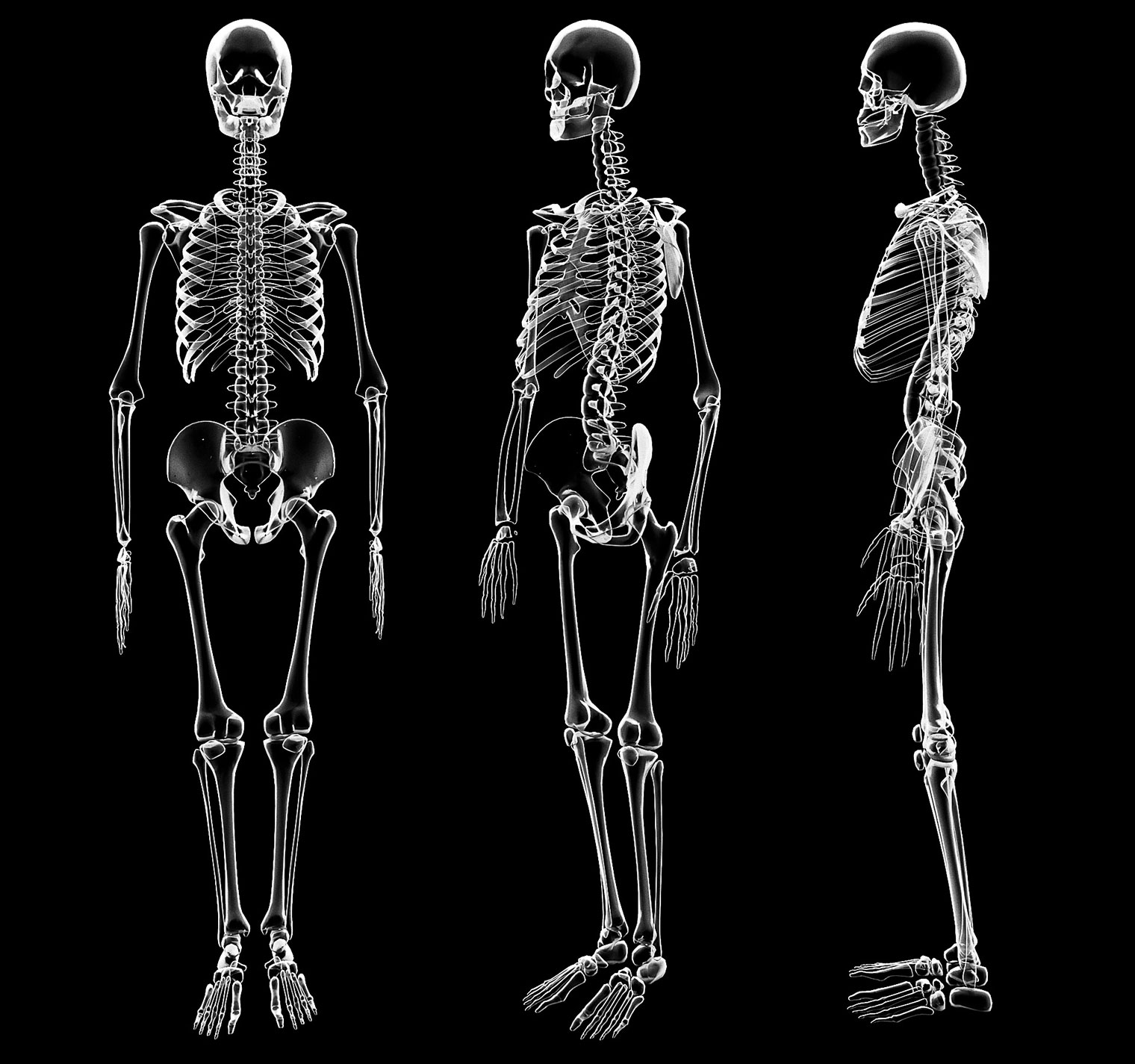


According to the World Health Organization, osteoporosis is a significant health problem affecting elderly worldwide. It is a condition of decreased bone mass and strength and resulting in fragile bones.
Bones that are affected by osteoporosis are weak and can break easily, most often in the spine, hips and wrist. There typically are no warning signs for osteoporosis, that’s why the disease has been called “The Silent Killer”.
What are osteoporosis causes and risk factors?
Low level of calcium
Low levels of vitamin D
Low estrogen levels in women (which may occur in menopause)
Lack of exercise
The Silent Killer
Osteoporosis is frequently called “The Silent Killer” because it itself has no symptoms. The patient is unaware of their bone loss until they experience a fracture. The disease can also affect the oral health, when the density of the bone around the teeth lessens, teeth can become loose.
5 Ways to Keep Bones Healthy
Eat a well-balanced diet with plenty of dairy, fish, fruits, and vegetables.
Exercise regularly to reduce the rate of bone loss and retain calcium in the bones.
Avoid smoking and limit alcohol.
Get vitamin D from early morning sunlight.
Reduce stress which is crucial to bone health.
3 Signs of Osteoporosis
Loss of heigh
Back stooping
The bones can break more easily than normal
You can find out whether you should be concerned about your bones by getting a bone mineral density test (BMD). The estimates how dense or thick your bones are.
Even if there is currently no specific treatment for osteoporosis, but there are still ways to manage it. Dietary and regular exercise plays an important role in maintaining or improving bone density. In some cases, the doctor may also recommend medication to treat bone loss.
We use cookies to manage your personal information in order to provide you with the best personalized user experience on our website. If you continue using the website, we assume that you accept all cookies on the website. Find out more.