How Bone Marrow Transplant (Stem Cell) is used to Treat Cancer
Health Articles
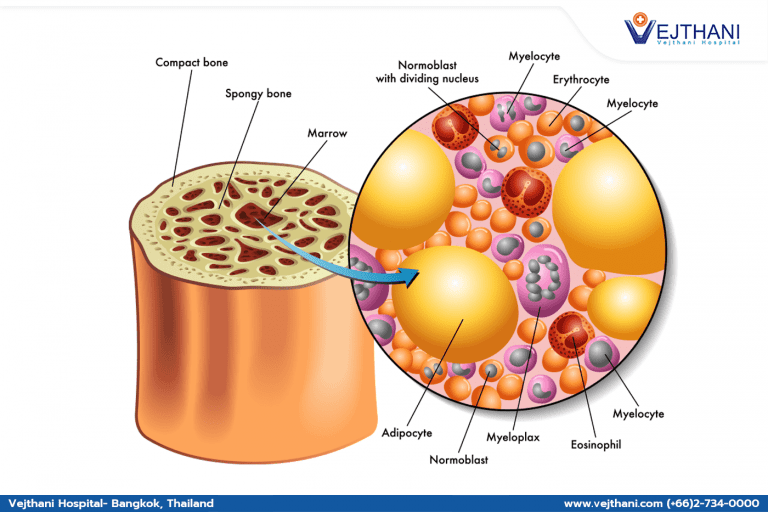
Bone marrow transplantation (BMT), also known as hematopoietic stem cell transplantation (HSCT), is a medical procedure that involves replacing damaged or diseased bone marrow with healthy stem cells. This treatment can be life-saving for patients with various blood disorders, cancers, and immune deficiencies. Here, we provide a detailed overview of some conditions that can be treated with BMT.
Bone Marrow Transplant is used for treatment when:
Bone marrow or stem cells are damaged and have failed to produce healthy blood cells.
Bone marrow or blood cells are unhealthy or when patients have a disease that needs healthy stem cells to replace.
After taking high dose chemotherapy or radiation, and they have affected both cancer cells and healthy cells. This would also require stem cell transplant.
Stem cells grow inside the bone marrow and the soft tissues of the bones as well as the umbilical cord blood. After they grow for a certain time, they change into the followings:
Platelets for prevention of blood clot
Red blood cells for pure oxygen in the blood
White blood cells for the growth of immunity to fight foreign diseases
How Does Stem Cell Treatment Work?
There are two types of transplants. Doctor will decide which is best for the patient.
Autologous (AUTO) Transplant
This is a collection of healthy stem cells from the bone marrow or blood. Doctors will then carefully store them by freezing. After the treatment with high dosage of chemotherapy, the cells will be returned back to bloodstream through IV and back to bone marrow, allowing bone marrow to produce healthy blood cells again and group up the immunity in the body.
Allogeneic (ALLO) Transplant
This is done by taking healthy bone marrow from a donor. It is very important that donor’s bone marrow matches the bone marrow of the patient before transfusion. If not, there will be rejection from the patient’s body that it didn’t recognize the cells that have been transplanted. Family member should be the best choice to be the donor. Before taking ALLO, chemotherapy or radiotherapy or combination of the two treatments have to be given in advance to replace the old stem cells with the new ones.
Umbilical cord blood transplant looks like allogeneic transplant, but the distinct factor is that, the donor is from the baby’s umbilical cord. Thus, there is a less chance of receiving chemotherapy before stem cell infusion. When the patient is unable to find a relevant donor, doctor has to use this stem cell for treatment. But there is still a risk of having a problem because the donated cells will be taken from outside the patient’s body.
What are the Risks?
Before the Autologous or Allogeneic transplantation, patient needs a high dosage of chemotherapy in advance. Therefore, he or she may suffer from the following side effects of chemotherapy:
Nausea
Severe infections
Vomiting
Fatigue
Bleeding
Suffering from these side effects is certainly not good for the patient but this will prevent intense symptoms after having a stem cell transplantation.
In ALLO transplant, after the patient has received the stem cells from the donor or umbilical cord blood, there is a risk of developing GVHD as the cells in the body fight against foreign cells. This can happen immediately after the transplantation or a year later, even though doctors ensure that the donor stem cell has matched with the patient before the transfusion. If patient suffers from this problem, long-term medications can help controlling the symptoms.
Without stem cells, the body is unable to produce blood and the components that immune system needs to function. During stem cell transplantation, the body is “rescued” with an infusion of healthy stem cells.
Choosing the right source of stem cells is complex. The doctor will decide which method of stem cell collection should be used for treatment.
We use cookies to manage your personal information in order to provide you with the best personalized user experience on our website. If you continue using the website, we assume that you accept all cookies on the website. Find out more.