Gastroscopy: Safe & Effective Detection of Digestive Diseases
Health Articles
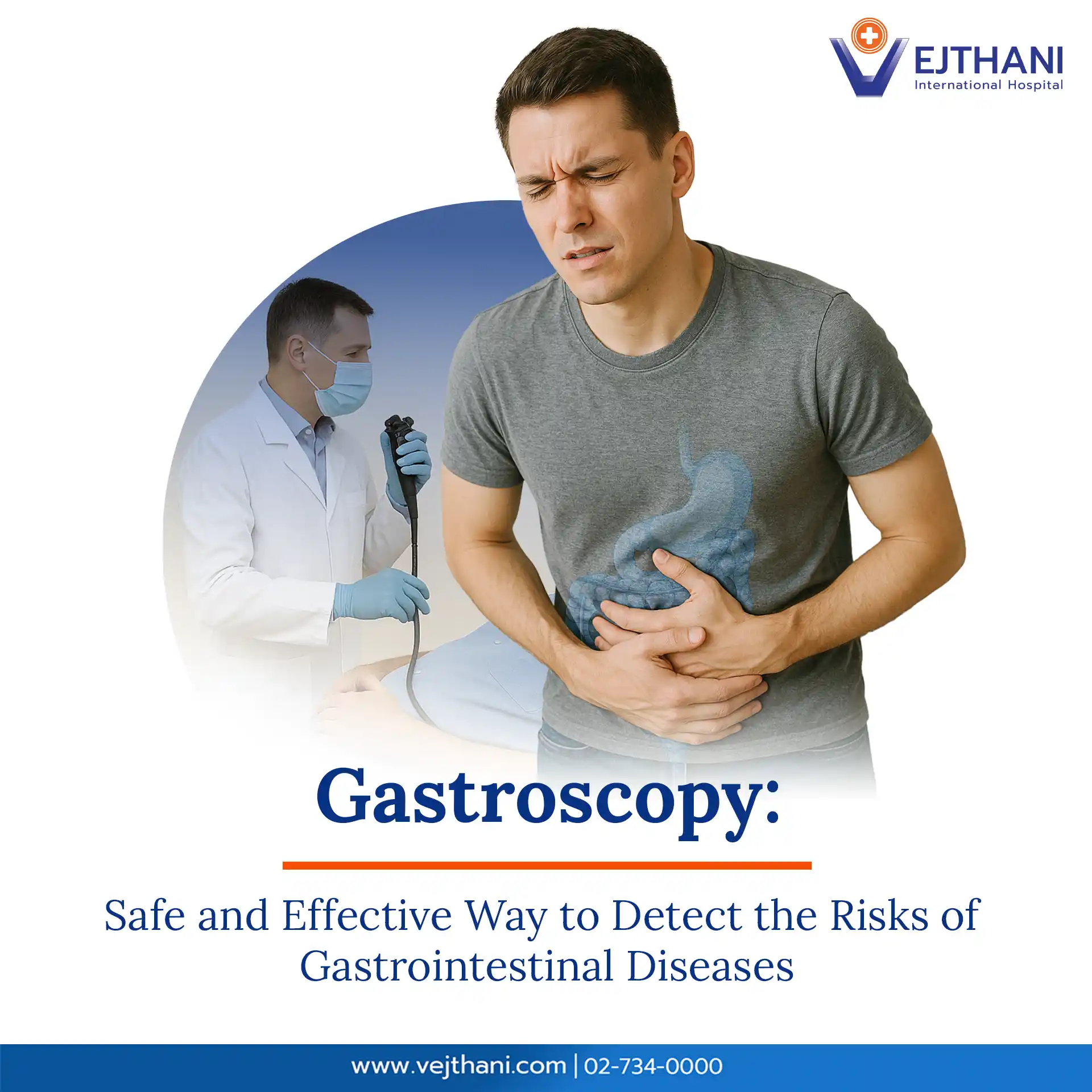
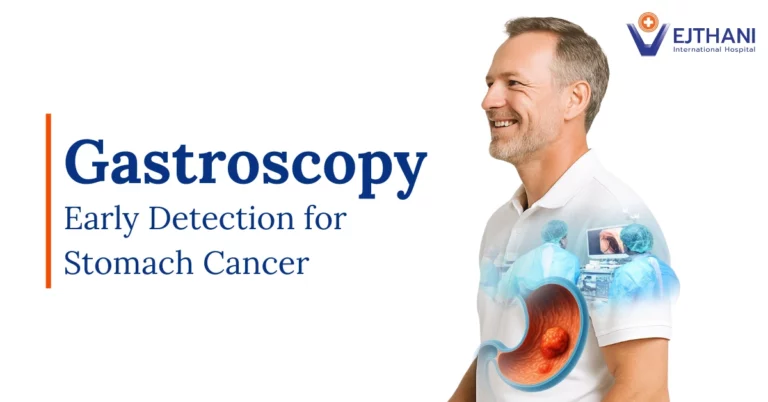
The digestive system plays a vital role in the body by breaking down and absorbing nutrients. If there is an abnormality, it may lead to stomach cancer. Gastroscopy is a medical procedure used to examine the upper part of the digestive system — specifically the esophagus, stomach, and duodenum (the first part of the small intestine). The procedure is an effective method for early detection of upper digestive tract conditions, improving treatment outcomes and increasing the chances of survival.
Dr. Boonlert Imraporn, a gastroenterologist at Vejthani Hospital, explained that the stomach is a vital organ in the digestive system. It is responsible for digesting and processing food to ensure nutrients are effectively absorbed and utilized by the body. It also helps kill germs that may contaminated with food, reducing the risk of gastrointestinal infections and controlling the amount of food released into the small intestine.
If there is an abnormality in the stomach, it may result in these symptoms:
Flatulence, bloating, indigestion
Aching, tightness, burning in the upper abdomen or throat
Frequent burping, nausea, vomiting
Difficulty swallowing or pain when swallowing
Sore throat, dry throat, hoarseness, or frequent unexplained coughing
These symptoms may be signs of various diseases, such as stomach ulcers, acid reflux, esophagitis, esophageal tumors, and stomach cancer. Gastroscopy is one way to detect these diseases in their early stages. People who are recommended to undergo gastroscopy are those aged 40 years and above, those with chronic gastrointestinal symptoms, and those with a family history of stomach cancer. Gastroscopy is a safe and simple procedure.
Gastroscopy is a diagnostic procedure that involves the use of a thin, flexible tube equipped with a small camera (approximately 10–13 mm in diameter) to visually examine the upper digestive tract in real-time. This allows doctors to identify the cause of gastrointestinal symptoms and accurately diagnose conditions affecting the esophagus, stomach, and duodenum. In addition to visual inspection, for further analysis, gastroscopy enables the collection of tissue samples for biopsy, such as testing for Helicobacter pylori (H. pylori)—a bacterium linked to stomach ulcers and an increased risk of stomach cancer.
Advantages of Gastroscopy
Highly accurate and detailed.
Enables immediate interventions, such as controlling bleeding, dilating the esophagus, or collecting tissue samples for cancer screening.
Convenient, safe, no hospital admission required, and few complications.
Detect asymptomatic conditions, such as small ulcers in the stomach or infections that may lead to cancer.
Gastroscopy has become a widely preferred diagnostic method because of its safety, speed, and convenience—eliminating the need for hospitalization while enabling precise diagnosis and effective treatment. Additionally, maintaining optimal digestive health through balanced nutrition, regular exercise, and stress management supports the digestive system’s efficiency and lowers the risk of gastrointestinal diseases.
We use cookies to manage your personal information in order to provide you with the best personalized user experience on our website. If you continue using the website, we assume that you accept all cookies on the website. Find out more.