Brain Aneurysm Treatment
 Make an Appointment
 Talk to Doctor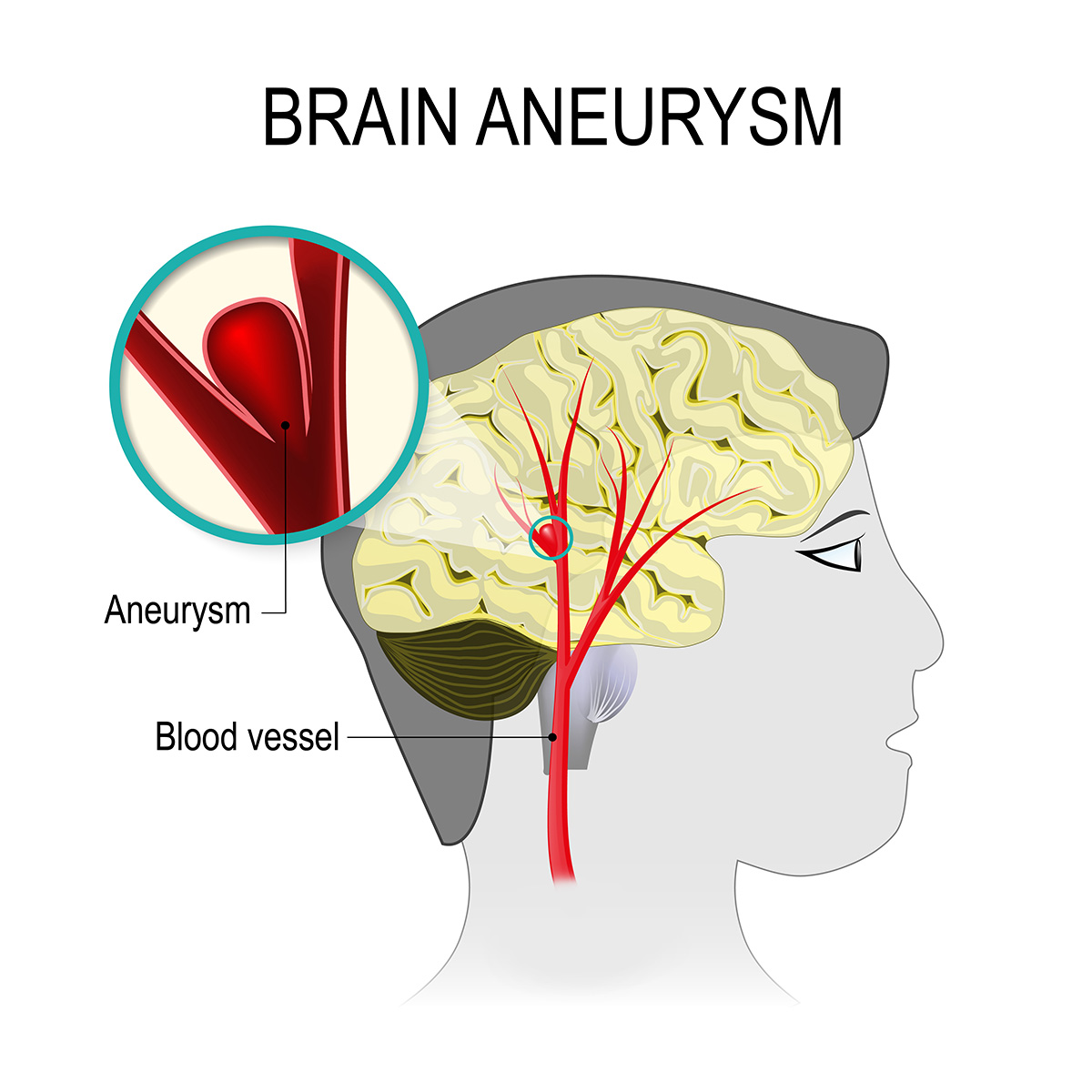
Brain aneurysms, also known as cerebral aneurysms, is a bulge or ballooning in a blood vessel in the brain, filled with blood. A cerebral aneurysm happens when an artery in a weak area that fills with blood in or around the brain bulges. The constant pressure from the blood flow causes the weakened section to move outward, increasing its size and ballooning like a bump that looks like a blister.
Brain aneurysms may occur in any part of the brain. Approximately 10% to 30% of people with a brain aneurysm have multiple aneurysms. Every cerebral aneurysm can rupture, which may cause bleeding inside the brain or the surrounding region (called hemorrhage).
At Vejthani International Hospital, we provide expert treatment for cerebral aneurysm cases, ranging from silent bulges to life-threatening emergencies.
Types and Signs of an Aneurysm
Brain aneurysm symptoms depend on whether the bulge has burst. Understanding the status of a cerebral aneurysm is critical for treatment:
Ruptured aneurysm
The primary sign of an aneurysm rupturing is a sudden, agonizing aneurysm headache, often called a “thunderclap headache.” Patients describe it as the “worst headache of my life.” The following are typical warning signs and symptoms of an aneurysm rupture in addition to a severe headache.
- Thunderclap headache (sudden and severe, frequently characterized as “the worst headache of my life”).
- Nausea and vomiting.
- Photophobia ( sensitivity to light)
- Stiff neck.
- Blurred or double vision.
- Seizures
- Drooping eyelid
- Confusion.
- Weakness and/or numbness.
- Loss of consciousness.
Leak aneurysm
A tiny amount of blood may leak out, causing a sudden aneurysm headache. This is a warning sign that a more severe rupture is imminent.
Unruptured aneurysm
Often causes no brain aneurysm symptoms and is discovered during exams for other conditions. However, a larger, unruptured aneurysm could put pressure on the brain’s tissues and nerves that potentially will lead to:
- Facial numbness on one side
- Pain above and behind one eye
- Dilatation of pupil
- Vision change or double vision
Seek immediate medical attention if you are with someone who has a sudden, severe headache, loses consciousness, or has a seizure.
What Causes a Brain Aneurysm?
Although the exact cause of brain wall thinning is often unclear, we know it is rarely random. What causes an aneurysm is usually a combination of lifestyle and genetic factors.
Hereditary and Genetic Factors
The most obvious causes of aneurysm are linked to your DNA. Followings are the hereditary factors that have an impact on the health of your arteries and can raise the risk of developing a brain aneurysm:
- Vascular Ehlers-Danlos syndrome.
- Family history of a brain aneurysm, your chance of developing an aneurysm becomes high if two or more first-degree relatives such as parents, brothers, sisters, or children have an aneurysm.
- Polycystic kidney disease – A hereditary condition strongly linked to the development of a cerebral aneurysm.
- Marfan syndrome
- Fibromuscular dysplasia
- Arteriovenous malformation (when the arteries and veins are tangled)
Acquired Risk Factors
When asking what causes a brain aneurysm to form over time, high blood pressure is the primary factor. Other risk factors include:
- Age and Gender: Most common in adults aged 30–60, women are affected more frequently than men.
- Lifestyle: Cigarette smoking and substance use (cocaine) significantly degrade artery walls.
Causes of Rupture and Complications (SAH)
What causes an aneurysm to finally burst? Usually, it is a sudden spike in blood pressure caused by intense stress, anger, or straining (lifting heavy objects).
The most severe complication is Subarachnoid Hemorrhage (SAH)—bleeding into the space between the brain and its surrounding tissues. This can lead to:
- Vasospasm: Narrowing of blood vessels, leading to further brain damage.
- Hydrocephalus: Fluid buildup increasing brain pressure.
- Death: Approximately 50% of people do not survive a ruptured brain aneurysm.
How Is Brain Aneurysm Diagnosed?
Most people with very small or unruptured aneurysms won’t notice unless it shows the symptoms. They are detected only on brain imaging like CT scans or MRIs.
- CT scan is the first recommended test to detect if the aneurysm is present and if there is a bursting or bleeding in your brain. CT angiogram (CTA) is a recommended diagnostic test and can show an unruptured or ruptured aneurysm’s size, location, and shape.
- MRI (magnetic resonance imaging) scan: can detect the effects of blood vessel abnormalities and the anatomy of aneurysms and other vascular lesions.
- Cerebral angiography: the gold standard diagnostic test for aneurysm performed by a neurosurgeon or interventional neuroradiologist injecting the dye by inserting a catheter into a blood vessel in either the groin or wrist area. This can show the abnormalities of aneurysms and vascular conditions inside the neck, head, and brain. It can also show the cause of bleeding in your brain and the exact location, size, and shape of the aneurysm.
- Lumbar puncture for Cerebrospinal fluid (CSF) analysis: This test is done only when there is no evidence of aneurysms on imaging tests, but the symptoms indicate aneurysms. The doctor may aspirate a small amount of spinal fluid between the spinal cord and the protective covering. Blood in the spinal fluid indicates bleeding or brain hemorrhage.
How Can Brain Aneurysm Be Treated?
The neurosurgical team at Vejthani International Hospital decides on a treatment plan based on the size, location, and shape of the cerebral aneurysm, as well as whether it has already ruptured.
Surgical Intervention
- Microvascular Surgical Clipping: This is a traditional surgical procedure where a neurosurgeon performs a craniotomy (removing a small portion of the skull) to reach the brain aneurysm. A tiny metal clip is placed at the base of the bulge to pinch it off, permanently blocking blood flow from entering the sac.
- Temporary CSF drainage and permanent shunt surgery: In cases where a rupture has caused hydrocephalus (fluid buildup), a shunt may be surgically implanted to divert excess cerebrospinal fluid and reduce life-threatening pressure on the brain.
Endovascular Treatment
- Endovascular Coiling: A less invasive alternative to surgery. A specialist threads a catheter through an artery in the groin or wrist up to the brain. Tiny platinum coils are released into the cerebral aneurysm to fill the space, causing the blood to clot and sealing the bulge from the inside.
- Flow Diversion Stents: A mesh tube is placed in the parent artery to divert the path of blood flow away from the aneurysm. This allows the weakened vessel to heal and eventually causes the aneurysm to shrink.
- WEB Device: A metal mesh cube or sphere is inserted into the aneurysm via a catheter to block blood flow, acting as an internal seal to prevent the vessel from being burst open.
- Medical Management: For some unruptured cases, doctors may choose “active observation” alongside medications to control blood pressure, which is a primary factor in what causes an aneurysm to grow or rupture.
How Can I Prevent Brain Aneurysm?
While you cannot change hereditary factors, you can lower your risk by managing high blood pressure and quitting smoking.
For more information, please contact
- Neuroscience Center, Vejthani International Hospital
- Call: (+66)2-734-0000 Ext. 5400
- English Hotline: (+66)85-223-8888
Frequently Asked Questions
Brain Aneurysm vs. Stroke: What is the difference?
A brain aneurysm is the bulge in the artery, generally outside the brain tissue, when aneurysm rupture occurs, it causes subarachnoid hemorrhage, which is a hemorrhage outside the brain parenchyma. A stroke (specifically a hemorrhagic stroke) is the result when that bulge bursts and causes bleeding in the brain.
What are the main warning signs of an aneurysm?
Look for the “thunderclap” aneurysm headache, a sudden drooping eyelid, or double vision. If you see these signs of an aneurysm, seek emergency help immediately.
Is it lethal? What is the chance of surviving?
If unruptured, the survival rate is very high with treatment. However, a ruptured cerebral aneurysm is lethal in about 50% of cases, and survivors may require extensive rehabilitative therapy.