Colonoscopy: Your Key to Colon Cancer Prevention
The lifetime risk of developing colorectal cancer is approximately 1 in 25 for both men and women.
Colorectal cancer is one of the most common cancer found in both women and men. The disease can be alarming as people with colon cancer do not usually have symptoms or signs of illness at an early stage. Hence, it is crucial for people who are at risk of having colorectal cancer to undergo colonoscopy. The earlier cancer is detected in the colon, the more treatment options are available for patients, including laparoscopic colectomy, which can result in faster recovery period.
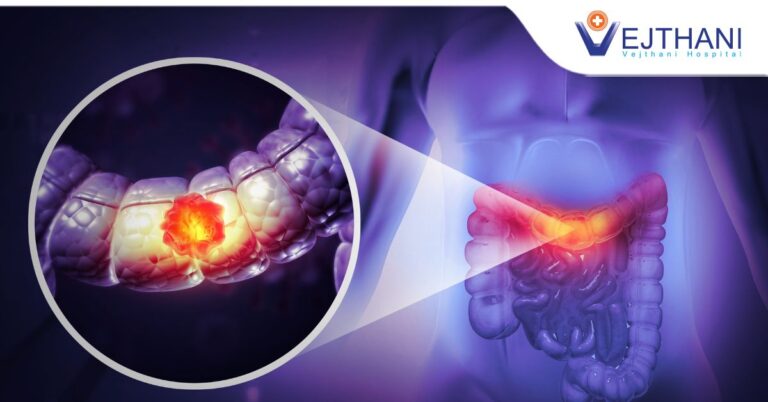
Colorectal cancer is caused by abnormal growth of cells in the colon. Over 90% of colorectal cancer patients are aged over 50 years old. Colorectal cancer does not show symptoms until the disease is advanced. However, it can be detected by colonoscopy. Before the abnormal cell mutates and forms into a cancer cell, polyps are usually found in the colon, which gradually grows larger and develop into colorectal cancer.
To treat colorectal cancer, doctors will consider using combinations of different methods of treatments including surgical treatment, radiation therapy, chemotherapy, and targeted therapy. However, it depends on the consideration of the medical team who will plan a proper treatment for the patient to obtain a better quality of life.
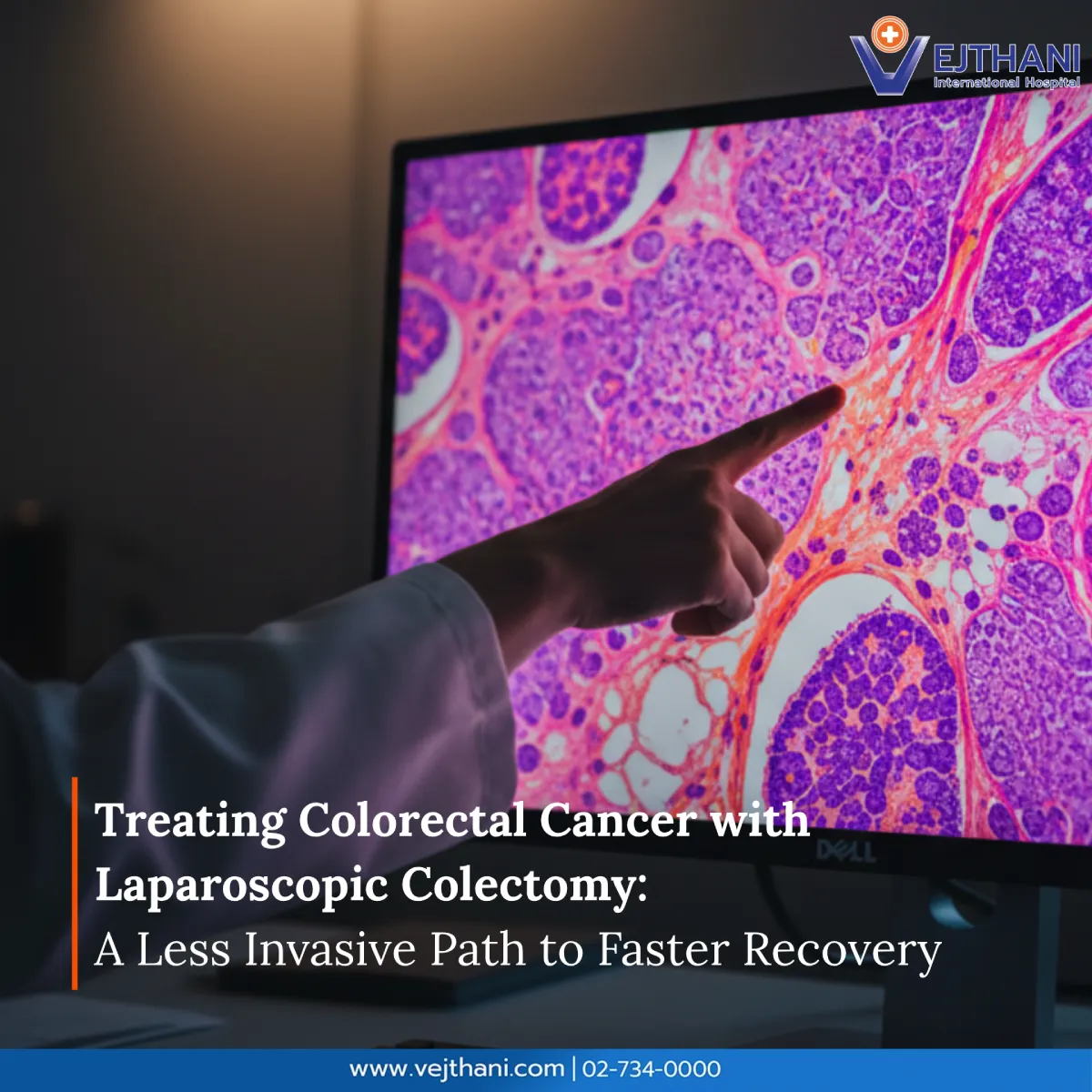
The primary treatment option for colorectal cancer is surgical treatment. The traditional surgical treatment is often an open colectomy which leaves an approximately 15 – 30 cm long incision, depending on the size and location of the cancer tumor. However, with the help of state-of-the-art technology, laparoscopic colectomy has become a popular surgical technique used to treat colorectal cancer. Laparoscopic colectomy is a minimally invasive procedure. A tiny high-definition camera is inserted into the abdomen to remove the cancerous parts of the colon and lymph nodes. The advantages of laparoscopic colectomy include small incision, less pain, faster recovery, and eventually allows patients to return to their normal and healthy lives.
Nevertheless, the result of laparoscopic colectomy might not be as good as an open colectomy. The surgical procedure used on patients depends on the diagnosis of the doctors and their decisions on which technique will be the best and most effective treatment for the patient.
Colorectal Surgery Center, Vejthani Hospital
Call: (+66)2-734-0000 Ext. 2715, 2716
English Hotline: (+66)85-223-8888
service@vejthani.com