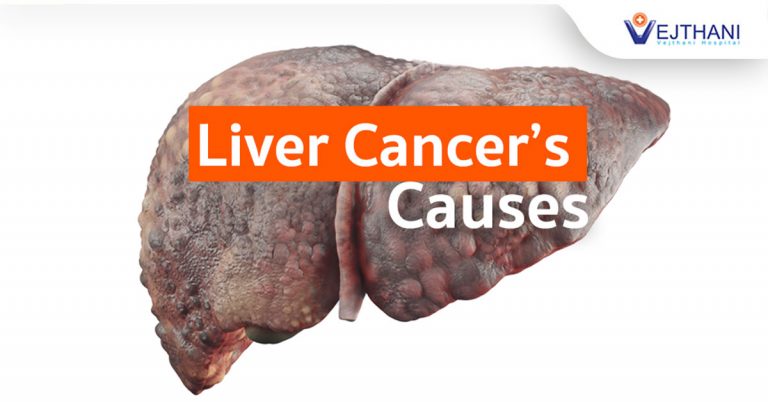
Liver Cancer’s Causes
Liver cancer is caused by chronic hepatitis which later on turns to liver cirrhosis. The risk factors usually found in Thailand include.

Select Topic
The liver is unusually good at repairing itself. Even so, it has limits. Damage that continues for months or years can leave scars faster than the liver can heal. Little by little, those scars replace healthy tissue, and the organ stops working as well as it should.
Doctors call this cirrhosis. It is usually the result of a liver problem that has been present for a long time, such as hepatitis, alcohol-related liver disease, or fatty liver disease. There may be no warning signs at first. In fact, some people only learn that they have cirrhosis after it has become more advanced.
That is why it helps to know what can damage the liver and which changes you should not ignore.
Finding the problem early may give doctors more time to treat its cause and protect the liver tissue that is still healthy.
Cirrhosis is the scarring left behind after repeated injury to the liver. The scarred areas do not work like healthy liver tissue. They can also interfere with blood moving through the organ. Once enough scarring has developed, the liver struggles to perform its normal jobs.
No single disease is responsible for every case. One person may have viral hepatitis, while another may have damage related to alcohol or a metabolic condition. Sometimes, the condition involves two or more causes. The change is generally slow, but its pace differs widely from one person to the next.
A person can still feel perfectly well during compensated cirrhosis, the earlier stage of the disease. The liver is scarred, but it continues to do enough work for the body. This becomes harder as more healthy tissue is lost. Symptoms and complications tend to appear once the liver can no longer compensate.
For many years, cirrhosis was described as permanent. The picture is now less clear-cut. Liver scarring has partially improved in some patients after the underlying cause was controlled for an extended period. This can happen with treatment for hepatitis B or C, or after a person stops drinking alcohol. It is a slow process, and it does not happen for everyone. The immediate priority is still to stop further injury and make the best use of the healthy liver tissue that remains.
Cirrhosis does not start in the same way for everyone. What the different causes have in common is repeated, long-term damage to liver cells. Doctors need to know where that damage is coming from because the answer will guide treatment. Common causes include the following.
Chronic viral hepatitis. Hepatitis B and C may remain in the body for years and repeatedly inflame the liver. If doctors do not treat or monitor the infection, scarring can build up and eventually become cirrhosis.
Alcohol-related liver disease. Regular heavy drinking puts repeated strain on liver cells. Some people develop damage sooner than others, so we cannot apply a single ‘safe’ amount to everybody. It is worth speaking honestly with a doctor if you are concerned about how much you drink.
Fatty liver disease. Fat can accumulate inside liver cells, especially in people with obesity, type 2 diabetes, high blood pressure, or abnormal cholesterol levels. It causes little trouble for many people. In others, however, the liver becomes inflamed and scarred. This condition is now also called metabolic dysfunction-associated steatotic liver disease, or MASLD.
Autoimmune and bile duct diseases. The immune system normally protects the body. In these diseases, it mistakenly targets the liver or bile ducts instead. Repeated inflammation can leave permanent scarring.
Genetic and metabolic conditions. A small number of inherited conditions allow certain substances to build up in the liver. Hemochromatosis causes excess iron, whereas Wilson’s disease causes excess copper. Without treatment, either condition can seriously injure the liver.
Other causes. Some medicines, toxins, and long-term illnesses can also damage the liver. Even after testing, doctors are not always able to identify a definite cause.
Many people with an early stage of cirrhosis do not feel ill. At this stage, the liver may still be able to work around the damaged areas. Symptoms are more likely to appear as liver function declines.
Early symptoms may include:
These symptoms are not specific to cirrhosis and may occur with many other conditions. A doctor may need to perform further tests to identify the cause.
As cirrhosis progresses, symptoms may include:
Symptoms vary from one person to another and may resemble those of other liver conditions. New, persistent, or worsening symptoms should be assessed by a doctor.
Cirrhosis can remain unnoticed for a long time. People with known risk factors may therefore need testing even if they feel well.
In compensated cirrhosis, scarring is present, but the liver can still function. A person may have no symptoms and can remain well for years, although the condition may worsen earlier in some cases. Treatment focuses on controlling the cause and preventing more liver damage.
Decompensated cirrhosis occurs once complications develop. These may include jaundice, fluid buildup in the abdomen, confusion, or bleeding from enlarged veins. Prompt medical care is important at this stage.
Doctors may use a Child-Pugh or MELD score when they need a clearer picture of severity. Each score brings together blood results and clinical findings. It can help with treatment decisions and with the timing of a possible liver transplant.
Liver cirrhosis can cause problems throughout the body. This is partly because the liver filters blood and makes substances that many other organs rely on.
Portal hypertension and varices. Blood cannot pass easily through a heavily scarred liver, so pressure rises in the portal vein. This may cause swelling of the veins in the esophagus and stomach. Known as varices, these veins have thin walls and can burst. Sudden bleeding from a varix is life-threatening.
Ascites (fluid buildup). Ascites is fluid that has collected in the abdomen. The abdomen may look swollen or feel tight and uncomfortable. Infection can develop in this fluid; doctors call it spontaneous bacterial peritonitis. Fever, increasing pain, or confusion in a person with ascites should be treated urgently.
Hepatic encephalopathy. Toxins can reach the brain when the liver is no longer clearing them from the blood. The early changes may be subtle, such as poor concentration or forgetfulness. Later, family members may notice unusual behavior, confusion, or marked sleepiness. A person who is difficult to wake needs urgent care.
Bleeding and easy bruising. A damaged liver makes fewer of the proteins needed for clotting. At the same time, an enlarged spleen may remove too many platelets from the circulation. As a result, bruises appear more easily, and minor wounds may bleed for longer. Variceal bleeding is the most serious example.
Kidney problems (hepatorenal syndrome). Severe liver disease changes the way blood circulates around the body. In some patients, this causes the kidneys to work poorly even though they were previously healthy. Hospital care and close observation are usually needed.
Liver cancer. Cirrhosis makes hepatocellular carcinoma more likely. Because this cancer is often silent when it first develops, patients are usually checked about every six months. Ultrasound is the usual test. An AFP blood test or another scan may be added in some cases. The purpose is to find a tumor while treatment is still more likely to help.
Symptoms alone are not enough to diagnose liver cirrhosis, especially in its early stages. Doctors piece together the diagnosis from the patient’s history, an examination, blood results, and images of the liver. They also look for the original cause of the damage.
Medical history and physical examination: Expect questions about alcohol, medicines, previous illnesses, and possible exposure to hepatitis, as well as any symptoms. The doctor may then look for signs such as yellowing of the skin, abdominal swelling, or swollen legs.
Blood tests: There is no single blood test for liver cirrhosis. Doctors look at several test results together, including bilirubin, albumin, liver enzymes, clotting time, and blood cell counts. They may also test for hepatitis or other conditions that could be damaging the liver. Abnormal results can raise suspicion of cirrhosis, but further testing is needed before a diagnosis can be confirmed.
Imaging tests: Abdominal ultrasound gives doctors a first look at the shape and texture of the liver and at nearby organs. CT or MRI can provide more detail when the ultrasound does not answer every question.
Liver stiffness measurement (elastography): FibroScan and similar tests estimate liver stiffness without using a needle. A stiff liver may have extensive fibrosis, though inflammation and other factors can also affect the reading. For that reason, the number is considered alongside blood tests, imaging, and the patient’s overall condition.
Liver biopsy: A biopsy involves taking a very small piece of liver tissue and examining it under a microscope. It may settle the diagnosis or help explain the cause when other tests are inconclusive. Many patients can be diagnosed without one.
Doctors will first try to control whatever is injuring the liver. They also work to preserve the remaining function and treat complications if they occur.
Treatment aimed at the cause may include:
Viral hepatitis: Modern antiviral medicines can cure hepatitis C in many patients. Treatment for hepatitis B usually keeps the virus suppressed rather than removing it completely, so it is often continued for a long time.
Alcohol-related liver disease: The liver must be protected from further alcohol-related injury. This means stopping alcohol completely.
Fatty liver disease: There is no quick fix. Management usually combines realistic weight loss, physical activity, and control of diabetes, blood pressure, cholesterol, and other metabolic problems. Selected patients with fatty liver disease and significant fibrosis may also be candidates for specific medical treatment.
Autoimmune or other liver diseases: The medicines and follow-up required will depend on the exact diagnosis.
Complications are treated separately:
A patient with ascites may be asked to reduce salt and take medicine to remove excess fluid. Other patients may need a procedure for fluid buildup or bleeding. The plan changes based on the complication and the patient’s response.
Checks for liver cancer:
Cirrhosis raises the risk of liver cancer even when a patient feels well. Scheduled screening gives doctors a chance to find it sooner.
Most patients who are suitable for surveillance are checked roughly every six months, usually with liver ultrasound and an AFP blood test. CT or MRI may be considered when ultrasound quality is inadequate or when further evaluation is needed.
Liver transplantation:
A transplant becomes a consideration when cirrhosis is advanced, complications are difficult to control, or certain liver cancers are present. It is not suitable for every patient.
The transplant team looks at far more than one test result. Liver function, complications, general health, and the likely benefits and risks all matter.
Some causes of cirrhosis cannot be avoided. Many others can be prevented or brought under control. Ways to look after your liver include:
Cirrhosis was once considered entirely irreversible. We now know that liver fibrosis may regress in some patients when doctors successfully treat the underlying cause. However, advanced cirrhosis may not fully return to normal, and important risks-including portal hypertension and liver cancer- may persist, so follow-up should continue.
Earlier treatment gives the liver its best chance. The goal is to prevent further damage; some patients may also regain some of the function they had lost.
Do not wait until you feel ill if you already have chronic hepatitis, fatty liver disease, a history of heavy drinking, or another known liver condition. Regular checks can reveal changes that symptoms do not.
Arrange a medical evaluation for yellow skin or eyes, swelling that does not settle, unexplained weight loss, unexpected bruising or bleeding, or a noticeable change in memory or alertness.
Some signs cannot wait for a routine appointment. These include vomiting blood, black stools, severe confusion, difficulty staying awake, fever with abdominal pain or swelling, and sudden intense abdominal pain. Seek emergency care if any of them occur.
An assessment may find liver damage before a major complication develops. It also gives the medical team a chance to identify the cause and choose suitable treatment.
The Gastroenterology and Hepatology Center at Vejthani International Hospital assesses and treats cirrhosis and other liver diseases. Its services include liver imaging and gastrointestinal endoscopy, with care provided by specialists in gastroenterology, hepatology, and hepatobiliary conditions.
Most people cannot tell that they have early liver cirrhosis. Tiredness, poor appetite, or weight loss may occur, but these are not unique to liver disease. Blood tests and imaging are often needed, particularly when someone has hepatitis, fatty liver disease, or another known risk.
There is no simple yes-or-no answer. Scarring has partly improved in some patients once the cause of the liver injury was controlled for several years. It may not improve in others, and the liver rarely returns completely to normal. Portal hypertension and liver cancer can remain a concern, so follow-up is still needed.
Yes. A person does not have to drink alcohol to develop cirrhosis. Other causes include hepatitis B and C, fatty liver disease, autoimmune conditions, and several inherited disorders. Anything that repeatedly injures the liver over a long period may lead to scarring.
Most of the tests are painless. Doctors usually begin with questions, an examination, blood tests, and an ultrasound. Liver stiffness measurement is also noninvasive. A biopsy uses a needle to collect tissue and is reserved for situations in which it is likely to add useful information.
Call for urgent medical help if there is vomiting of blood, a black or bloody stool, severe confusion, unusual difficulty staying awake, fever with abdominal pain, or sudden marked swelling or pain in the abdomen. These changes may be caused by a dangerous complication.
Gastroenterology and Hepatology Center, Vejthani Hospital
Call: (+66)2-734-0000 Ext. 2960, 2961, 2966
English Hotline: (+66)85-223-8888

Internal Medicine
Gastroenterology and Hepatology