
Numbness in Your Hands and Feet
Don't Ignore Numbness in Your Hands and Feet Gradual onset of numbness or tingling in the hands and feet often occurs among working-aged adults
Select Topic
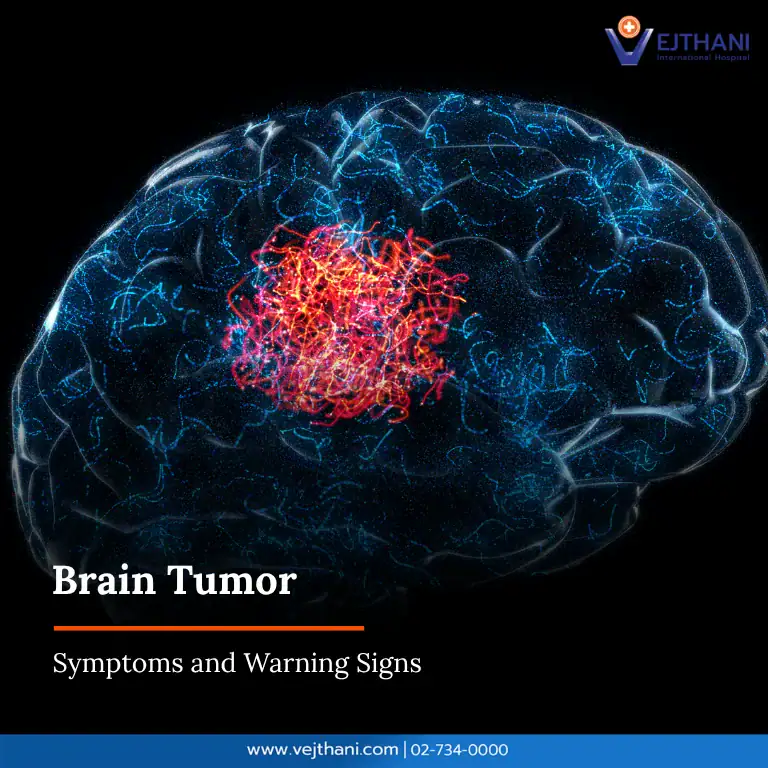
A brain tumor is essentially a collection of abnormal cells growing within or near the brain. These growths are dangerous primarily because the skull is a rigid space with no room for expansion. As a tumor grows, it increases intracranial pressure and can compress, invade, or destroy healthy brain tissue. Even “benign” (noncancerous) tumors can be life-threatening if they are located in vital areas that control breathing, heart rate, or motor functions. Furthermore, malignant (cancerous) tumors can grow rapidly and spread, leading to permanent neurological damage or death if left untreated.
The early signs of a brain tumor can be subtle and are often mistaken for stress or other common ailments. However, consistency and progression are key indicators that something may be wrong.
As a tumor increases in size or grade, the signs of a brain tumour become more pronounced and debilitating as more brain territory is affected.
If you experience persistent or worsening neurological symptoms, it is vital to seek professional medical advice immediately. While many of these symptoms can be caused by less severe conditions like migraines or inner ear infections, only a medical professional can rule out a growth through specialized testing. Early detection is the most significant factor in expanding treatment options and improving outcomes.
The most common first signs of brain tumor presence are often headaches that feel different from your usual ones (especially morning headaches) and new-onset seizures. Changes in vision or subtle personality shifts noticed by family members are also frequent early indicators.
Yes, many people live full, normal lives depending on the tumor’s type, location, and grade. Benign tumors may be successfully removed via surgery, while some slow-growing tumors may only require watchful waiting with regular monitoring.
A major red flag is any neurological symptom that gets worse over time rather than better. Specifically, a headache that wakes you from sleep, a sudden seizure in adulthood, or progressive weakness on one side of the body are critical signs of a brain tumour.
You cannot self-diagnose at home. A definitive check for the symptoms of a brain tumor requires professional medical imaging, such as an MRI (Magnetic Resonance Imaging) or CT scan, followed by a biopsy if a tumor is detected.
For more information, please contact
Neuroscience Center, Vejthani Hospital
Call: (+66)2-734-0000 Ext. 5400
English Hotline: (+66)85-223-8888



