lung cancer - Vejthani International Hospital | JCI Accredited International Hospital in Bangkok, Thailand.
Vejthani
Hero image

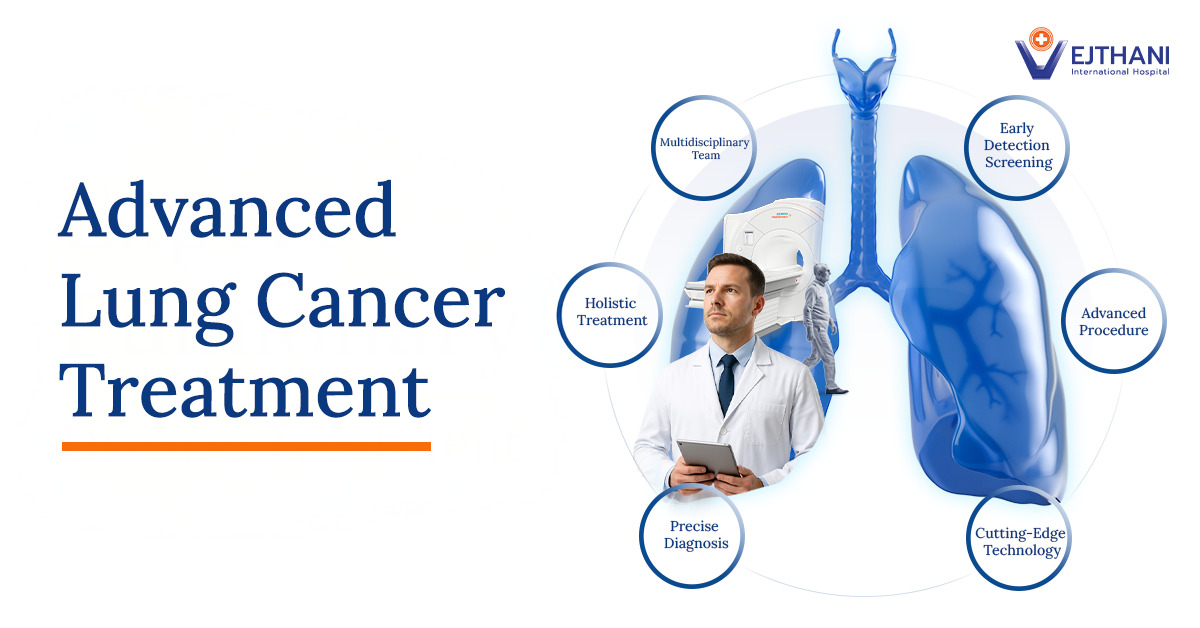
Advanced Lung Cancer Treatment & Comprehensive
Lung Disease Care Expert Care for Every Breath

At Vejthani International Hospital, our Lung Cancer and Lung Disease Treatment combines advanced medical technology with a multidisciplinary team of specialists to deliver precise diagnosis and personalized lung cancer treatment alongside comprehensive care for a wide range of lung diseases. From early screening and accurate staging to individualized treatment planning, we focus on providing evidence-based therapies tailored to each patient’s condition. Our integrated approach to lung cancer treatment and respiratory care aims to support optimal lung function, improve treatment outcomes, and enhance overall quality of life through coordinated, patient-centered care.

Stage of lung cancer

At Vejthani International HospitalHospital, we offer a range of advanced early detection screenings designed to identify serious health conditions—like cancer—at their earliest and most treatable stages.

Detected Early. Cured Early.

Stage I lung cancer is an early stage of disease in which the tumor is small and confined to the lung, without spread to lymph nodes or distant organs. When detected early, treatment outcomes are highly favorable.

Surgical resection remains the standard and primary treatment, offering the highest likelihood of cure. Minimally invasive approaches, including video-assisted thoracoscopic surgery (VATS) and robotic-assisted thoracic surgery (RATS), are widely utilized and are associated with faster recovery, less postoperative pain, and shorter hospital stays.

For patients who are not medically fit for surgery due to comorbidities or poor pulmonary reserve, Stereotactic Body Radiation Therapy (SBRT) is an excellent alternative. SBRT delivers high-dose radiation precisely to the tumor while minimizing damage to surrounding healthy lung tissue and has demonstrated excellent local control rates in early-stage disease. At this stage, patients often have a high likelihood of cure, shorter recovery time, and the ability to return to normal daily activities promptly with appropriate treatment.

More Advanced. Still Curable

Stage II lung cancer involves a larger tumor with greater local extension and possible lymph node involvement; however, it remains highly curable with comprehensive treatment.

Surgical resection remains the cornerstone of therapy, aiming for complete removal of the tumor and involved lymph nodes.

Because microscopic cancer cells (micrometastases) may already be present in the body, adjuvant systemic therapy is recommended after surgery to reduce the risk of recurrence. This commonly includes chemotherapy, as well as targeted therapy in selected patients with actionable mutations such as EGFR-mutant disease, and immunotherapy in appropriately selected patients based on PD-L1 status.

With advances in molecular testing and precision medicine, postoperative treatment strategies are increasingly tailored to tumor biology to maximize effectiveness while minimizing toxicity.

Early and proactive multimodal treatment at this stage plays a critical role in long-term disease control and recurrence prevention.

Multidisciplinary Treatment for Optimal Disease Control

Stage III lung cancer involves more extensive local and/or regional spread, including lymph node involvement, but it can still be effectively managed with a comprehensive, multidisciplinary approach.

Treatment commonly includes a combination of chemotherapy and radiation therapy, delivered with advanced planning techniques to precisely target the tumor while minimizing exposure to surrounding healthy tissues.

In selected patients, concurrent chemoradiation followed by consolidation immunotherapy can be recommended to improve long-term disease control. In carefully selected cases, surgery after appropriate preoperative therapy may also be considered as part of a multimodal treatment strategy.

At this stage, a personalized treatment plan developed by a multidisciplinary team is essential to achieve optimal disease control, improve survival outcomes, and maintain quality of life.

Personalized Treatment for Meaningful Survival

Stage IV lung cancer means the disease has spread beyond the lung to distant organs. While it is considered advanced, modern medicine now offers highly effective personalized treatment strategies tailored to each patient’s tumor biology and overall condition.

Treatment may include targeted therapy, immunotherapy, chemotherapy, or carefully selected combinations of these approaches, guided by comprehensive molecular testing and advanced diagnostics. These therapies aim to control the disease, relieve symptoms, prolong survival, and preserve quality of life. In carefully selected patients with limited metastatic (oligometastatic) disease, aggressive multimodal treatment may achieve durable disease control and result in long-term remission.

Even at an advanced stage, the right individualized treatment plan can achieve meaningful disease control and significantly improve patient outcomes and quality of life.


Advanced Lung Cancer Treatment Technology

Types of VATS (Video-Assisted Thoracoscopic Surgery)

Thoracic surgeons can use VATS techniques to perform a variety of procedures, including:

  • Esophagectomy: Surgical removal of the esophagus
  • Lung Volume Reduction Surgery (LVRS): Removal of damaged lung tissue to reduce lung volume
  • Pericardiectomy: Partial or complete removal of the pericardium (the membrane surrounding the heart)
  • Thymectomy: Surgical removal of an abnormal thymus gland
  • VATS Lobectomy: Removal of a lung lobe affected by cancer using VATS techniques

However, VATS is most commonly used for the diagnosis and treatment of lung cancer, or for cancers originating in other organs that have metastasized to the lungs.

Read more >>> https://www.vejthani.com/procedures/video-assisted-thoracic-surgery-vats/

What is the Da Vinci Surgical Robot?The Da Vinci system is a computer-assisted robotic device with four robotic arms capable of movements far more delicate and precise than the human hand.
Surgeons operate the system via a dedicated console, viewing the surgical site in enhanced, high-definition 3D. Every hand movement is transmitted in real time to miniature instruments inside the patient’s body, supported by motion-stabilizing technology that eliminates natural hand tremors. This enables highly precise operations even in complex anatomical areas.

Key Advantages of the Da Vinci Surgical Robot

  • High-definition 3D visualization for enhanced clarity
  • Articulating robotic arms that move with exceptional flexibility
  • Reduced trauma to the surrounding tissue and less blood loss
  • Smaller incisions, less postoperative pain, and faster recovery
  • Lower risk of complications
  • High precision facilitates surgeons in the most delicate procedures

Read more >>> www.vejthani.com/health-article/robotic-surgery-da-vinci/

Precision medicine represents a major advancement in modern healthcare. Instead of using the same treatment for all patients with the same disease, precision medicine tailors therapy based on each patient’s genetic profile, tumor biology, and overall health condition. This approach allows for more effective treatment while reducing unnecessary side effects.

In cancer care, precision medicine may include several treatment strategies:

  • Radiation therapy uses high-energy rays to damage the genetic material (DNA) inside cancer cells, preventing them from growing and dividing. Modern radiation techniques are carefully planned to target tumors precisely while minimizing damage to surrounding healthy tissues. It is commonly used alone or in combination with other treatments.
  • Chemotherapy works by killing rapidly dividing cancer cells or stopping their growth by interfering with cell division and damaging their DNA. Treatment is usually given in cycles, periods of treatment followed by rest—to allow the body to recover. Chemotherapy can be administered in hospitals or sometimes at home, depending on the regimen.
  • Hormonal therapy: Many cancers, particularly certain breast cancer and prostate cancer, depend on hormones to grow. Breast cancers may rely on estrogen, while prostate cancer depends on androgens such as testosterone. Hormone therapy works by blocking or lowering these hormones to slow or stop tumor growth and reduce the risk of recurrence.
  • Common side effects may include hot flashes, vaginal dryness, menstrual changes, fatigue, mood changes, and decreased bone density.
  • Targeted therapy focuses on specific molecules or genetic mutations that drive cancer growth and spread. By directly targeting these abnormalities, treatment becomes more precise and often causes fewer side effects compared to traditional chemotherapy. This is a key component of precision medicine.
  • Immunotherapy helps the body’s immune system recognize and attack cancer cells more effectively. It enhances the immune response so the body can better fight cancer on its own. This treatment has significantly improved outcomes in several types of cancer.
  • T-cell therapy is an advanced form of immunotherapy. A patient’s own T cells are collected and genetically modified in a laboratory to recognize and attack cancer cells. The engineered cells are then infused back into the patient to target and destroy cancer more effectively.
  • Bone marrow transplant replaces damaged or destroyed bone marrow with healthy stem cells. These stem cells can develop into red blood cells, white blood cells, and platelets as needed. This treatment is used for certain blood cancers and other serious blood disorders.

Why Choose Vejthani for Your Lung Problems?

  • Evaluation of Pulmonary Function with Pulmonary Function Test
  • Spirometry
  • Chest X-ray / Chest CT Scan / Low-Dose CT Scan
  • Bronchoscopy
  • Biopsy
  • Endobronchial Ultrasound-Guided Transbronchial Needle Aspiration (EBUS)
Low-Dose CT SCAN is a powerful screening tool that can detect lung cancer at its earliest, most treatable stages. It is a non-invasive, quick, and highly sensitive scan that’s recommended for individuals at higher risk, especially those aged 50 and above with a history of smoking or long-term exposure to harmful air pollutants.

Pulmonary Diseases

Bronchitis is an inflammatory condition that affects the airways that connect to the lungs (trachea and bronchi). The bronchial tubes transport air to and from the lungs. When the airways become irritated, they undergo inflammation and become swollen. Additionally, excess mucus is produced, leading to a coughing reflex. Bronchitis is often classified as acute or chronic.

The cough associated with bronchitis can persist for several days to a couple of weeks, serving as its primary symptom. Acute bronchitis is predominantly caused by viruses, making them the most common culprits. However, both acute and chronic bronchitis can be triggered by exposure to smoke and other irritants.

Acute bronchitis, commonly referred to as a chest cold, is primarily caused by viral infections. This condition typically resolves on its own within a week to ten days, without any lasting effects. In contrast, chronic bronchitis poses a more serious health concern as it involves persistent irritation or inflammation of the lining of the bronchial tubes. Smoking is a frequent culprit behind this condition, which can lead to long-term complications. read more

Bronchiolitis is a viral infection that causes the bronchioles or airways in the lungs to swell, making breathing difficult. This is a frequent lung infection in infants and young children. The infection causes swelling, inflammation, and mucus buildup in the lung’s small airways.

Bronchiolitis symptoms typically last 1 to 2 weeks but can possibly continue longer. Children may experience breathing difficulties. Bronchiolitis usually begins with symptoms similar to a regular cold. However, it progresses and becomes more severe, resulting in coughing and a high-pitched whistling sound known as wheezing when exhaling.

Small children can spread bronchiolitis through personal contact, saliva, and mucous. The easiest method to avoid infection is to avoid people who are unwell and to wash their hands frequently.

Most children with bronchiolitis improve with home care. A small number of children require hospitalization. read more

Asthma can cause swelling and constriction of the airways, as well as increased production of mucus, leading to symptoms such as shortness of breath, coughing, wheezing during exhalation, and difficulty breathing. While asthma may only be a minor inconvenience for some people, others may experience significant difficulties that disrupt their daily activities and could potentially result in a life-threatening asthma attack.

Although asthma cannot be cured, it is possible to manage its symptoms. It is important to work with your doctor to monitor your symptoms and make adjustments to your treatment as needed, as the signs and symptoms of asthma can change over time. read more

Chronic obstructive pulmonary disease (COPD) is a chronic inflammatory lung disease that leads to a blockage of airflow from the lungs. It commonly arises from two conditions: emphysema and chronic bronchitis. When diagnosed with COPD, it implies that the patient exhibits symptoms or has both of these damaging lung conditions. As COPD progresses, breathing can become increasingly challenging.

  • Chronic bronchitis: This is an inflammation of the bronchial tubes’ lining, which transports air to and from the lungs’ air sacs (alveoli). When triggered, the tubes undergo swelling, leading to the accumulation of mucus (commonly known as “phlegm” or “snot”) along the inner lining. This build-up constricts the opening of the tubes, resulting in difficulty in both inhaling and exhaling air from the lungs. Daily coughing and mucus (sputum) production are its main symptoms.
  • Emphysema: Emphysema is a condition where the alveoli at the end of the tiniest air channels (bronchioles) of the lungs are destroyed as a result of harmful exposure to cigarette smoke and other irritating chemicals and particulate matter.
    The air sacs are essential for transporting carbon dioxide out and oxygen into the circulation. Emphysema damage obliterates the air sac walls, making it challenging to take a full breath.

Heart disease, lung cancer, and a number of other diseases are more likely to occur in people with COPD.

COPD, while being a chronic and progressive disease, is manageable with appropriate treatment. Patients with COPD can achieve effective symptom control, experience an improved quality of life, and reduce the risk of developing other associated medical conditions through proper care. read more

Pneumonitis refers to the inflammation of lung tissue, a condition that encompasses a variety of causes beyond infections, such as pneumonia, which also leads to lung tissue inflammation but is specifically caused by infections. The term “pneumonitis” is more commonly applied to noninfectious sources of lung inflammation, often stemming from exposure to airborne irritants linked to one’s hobbies or workplace. Additionally, this condition can be triggered by certain medications and some forms of cancer treatment, leading to not only breathing difficulties but also a range of other physical symptoms.

The inflammation caused by pneumonitis comes in multiple types of inflammation. Among them are:

  • Acute: The onset of inflammation is sudden, and it diminishes quickly.
  • Subacute: The progression of inflammation is slow and steady.
  • Chronic: Long-term and persistent inflammation develops from inflammation.

The following types of pneumonitis includes:

  • Acute interstitial pneumonitis: Your symptoms worsen swiftly as acute interstitial pneumonitis occurs suddenly.
  • Chemical pneumonitis: When someone breathes in chemicals found in products used at home or at work, such as chemicals used in imaging tests, chlorine gas, insecticides, gasoline, and smoke, they might develop chemical pneumonitis.
  • Hypersensitivity pneumonitis: When you breathe in (inhale) allergens such as dust, mold, bacteria, or microscopic scales from animal skin, hair, or feathers (dander), you may develop hypersensitivity pneumonitis.
  • Radiation pneumonitis: Radiation pneumonitis may develop following cancer treatment with radiation therapy.

The primary indicators of pneumonitis often involve difficulty breathing, often coupled with a persistent dry cough lacking mucus production. Receiving a diagnosis typically requires specialized testing. The primary objectives of treatment are to diminish inflammation and steer clear of irritants. read more

Pneumonia is a lung infection caused by bacteria, viruses, or fungi, leading to inflammation and potentially fluid or pus accumulation in the lungs. The severity and treatment vary depending on the causative pathogen and the type of pneumonia, which is categorized by how and where it was acquired: community-acquired, hospital-acquired, or ventilator-associated.

  • Community-Acquired Pneumonia (CAP):
    • Bacterial causes: The most common is Streptococcus pneumoniae, leading to pneumococcal disease which can also cause other infections like sinusitis and meningitis. Mycoplasma pneumoniae often causes a milder form known as atypical pneumonia. Other bacteria include Haemophilus influenzae, Chlamydia pneumoniae, and Legionella pneumophila (causing Legionnaires’ disease).
    • Viral causes: Common cold viruses, influenza, COVID-19, and respiratory syncytial virus (RSV) can also lead to pneumonia.
    • Fungal causes: Less common, affecting mainly those with compromised immune systems, include Cryptococcus, Pneumocystis jirovecii, and Coccidioides.
    • Protozoa causes: Rare causes like Toxoplasma can lead to pneumonia.
  • Hospital-Acquired Pneumonia (HAP): Occurs in patients already hospitalized for other conditions, often caused by antibiotic-resistant bacteria like methicillin-resistant Staphylococcus aureus (MRSA), making it more severe and harder to treat.
  • Healthcare-Associated Pneumonia (HCAP): Develops in long-term care facilities or during extended outpatient stays, usually involving antibiotic-resistant bacteria.
  • Ventilator-Associated Pneumonia (VAP): Occurs in patients using a ventilator, commonly in an ICU setting, where the causative agents can be similar to those of CAP, including drug-resistant strains.
  • Aspiration Pneumonia: Results from inhaling food, liquids, or vomit into the lungs, leading to infection if not expelled.

Pneumonia’s impact varies from mild to life-threatening, posing the highest risk to infants, young children, people over 65, and those with weakened immune systems or preexisting health conditions. read more

Respiratory Syncytial Virus (RSV) is a common cause of lung and respiratory tract infections, affecting both children and adults. By the age of 2, the majority of children have been exposed to this virus. While RSV symptoms in healthy adults and older children are usually mild and similar to those of a common cold, self-care measures are typically enough to manage any discomfort.

However, RSV can pose serious risks for certain groups, including babies under 12 months old, especially premature infants, older adults, individuals with heart and lung conditions, or those with weakened immune systems. In these vulnerable populations, RSV infections can lead to severe illness and complications. read more

Pleurisy, or pleuritis, arises when the pleura—two thin, protective layers of tissue enveloping the lungs and lining the chest cavity—become inflamed, leading to sharp, stabbing pains in the chest known as pleuritic pain. This discomfort escalates with breathing, coughing, or sneezing, as these actions cause the inflamed pleural layers to rub against one another. Normally, these layers are lubricated by a small amount of fluid in the pleural space, allowing for smooth, frictionless movement during respiration. However, inflammation disrupts this smooth interaction, making each breath painfully reminiscent of coarse surfaces grating together.

Treatment for pleurisy is twofold, aiming to both alleviate the immediate discomfort caused by the condition and address its root cause to prevent ongoing irritation. This usually involves managing the pain through medication and tackling the underlying condition, such as an infection or other disease, that led to the pleural inflammation. By controlling the inflammation and ensuring the pleura can move smoothly once more, patients can find relief from the acute pains of pleurisy and return to normal breathing patterns.

Pleurisy may also develop along with other conditions, such as:

  • Pleural effusion: This happens when fluid accumulates in the space between the layers of tissue, alleviating pleuritic pain by separating the layers and preventing rubbing.
  • Atelectasis: Breathing difficulties and coughing may occur when significant fluid buildup in the pleural space exerts pressure, potentially leading to partial or complete collapse of the lung.
  • Empyema:  The formation of pus known as empyema, accompanied by fever, may develop when excess fluid in the pleural space becomes infected. read more

Sharp chest pain when breathing, along with fever, tiredness, and shortness of breath, could be signs of pleural empyema. It usually occurs after an infection. If not treated in time, it may lead to respiratory failure and eventually death.

Dr. Chawakorn Leampribun, a cardiothoracic surgeon at Vejthani Hospital, explains that pus in the pleural cavity can occur when the body has an infection, especially respiratory infection such as severe flu or pneumonia, which usually happens when we breathe in and out, our lungs expand and contract efficiently. However, when there is pus in the pleural space, the lungs will rub against the pus and will be compressed by the pus, not allowing it to expand and contract as well as before. As a result, there will be sharp pain in the chest when breathing, trouble breathing, inability to breathe, fever, and coughing. The most severe symptom is respiratory failure and having to use a ventilator, as well as the risk of developing bloodstream infection, which can lead to organ failure. read more

Tuberculosis (TB) is an infectious disease primarily affecting the lungs, although it can also impact organs such as the spine, brain, or kidneys. It is caused by a type of bacteria that spreads through airborne droplets when an infected person coughs, sneezes, or sings. TB is more prevalent in crowded environments, and individuals with weakened immune systems, like those with HIV/AIDS, are at greater risk.

The infection progresses through three stages: primary infection, latent TB infection, and active TB disease. In its latent stage, the infection is dormant and the individual shows no symptoms, but the bacteria remain in the body. If it progresses to the active disease stage, the person becomes contagious and exhibits symptoms.

Treatment for TB involves a course of antibiotics, although some bacterial strains have developed resistance to conventional treatments, complicating recovery efforts. read more

Emphysema is a lung disease that harms the air sacs or alveoli in the lungs, causing them to lose their elasticity. This can lead to the formation of blockages or obstructions that trap air inside the lungs, resulting in difficulty breathing or shortness of breath. The primary cause of emphysema is smoking, which is responsible for the majority of cases.

Alveoli are small, thin–walled, fragile air sacs that form clusters at the end of the bronchial tubes or airways deep within the lungs. When a person inhale air, it travels through the bronchial tubes until it reaches the alveoli. Once inside, the alveoli stretch, draws in oxygen, and delivers it to the blood. With emphysema, the alveoli are weakened and ruptured. This reduces the surface area of the lungs and, as a result, the amount of oxygen in circulation. The old air becomes trapped, preventing fresh, oxygen–rich air from entering.

Chronic obstructive pulmonary disease (COPD) is made up of two conditions: emphysema and chronic bronchitis. The majority of people who have emphysema also have chronic bronchitis. The most common cause of COPD is smoking. Treatment for emphysema usually involves quitting smoking and taking medications. This can only slow emphysema down but cannot heal the existing damage to the lungs. read more

A pulmonary embolism refers to a situation in which a blood clot obstructs an artery within the lung, leading to a cessation of blood circulation. Typically, these blood clots originate in the deep veins of the leg and then migrate to the lung. In rarer cases, these clots might form in veins located in other parts of the body. When blood clots manifest in one or multiple deep veins, this is termed deep vein thrombosis (DVT).

Because these clots can impede the blood flow to the lungs, a pulmonary embolism has the potential to be life–threatening. Nevertheless, swift and appropriate treatment significantly reduces the likelihood of fatality. Taking preventive measures to avoid blood clot formation in the legs plays a pivotal role in safeguarding against the occurrence of a pulmonary embolism.  read more

Interstitial lung disease, also known as diffuse parenchymal lung disease (DPLD), encompasses a wide range of conditions, the majority of which lead to the gradual formation of scar tissue in the lungs. This scarring ultimately hampers one’s ability to breathe and impedes the intake of sufficient oxygen into the bloodstream.

Long–term exposure to harmful substances, such as asbestos, can be a catalyst for interstitial lung disease. Additionally, certain autoimmune disorders like rheumatoid arthritis may contribute to the development of this condition. Nevertheless, in some instances, the exact causes remain elusive.

It is important to note that once lung scarring occurs, it is typically irreversible. While medications can help slow down the progression of interstitial lung disease, many individuals may never fully regain their lung function. For select individuals with this condition, a lung transplant may be considered as a potential treatment option. read more

Pulmonary atresia is caused by the abnormal formation of the pulmonary valve, which is responsible for allowing blood flow out of the heart to go to the lungs. The blood flow in that area is obstructed with an excessive tissue lining that causes the valve to be unable to open or close completely. Less blood to the lungs means less oxygen supply in the body.

In general, this congenital heart disease is fatal and can be diagnosed from the time the baby is born. Among babies, there are other natural cardiac channels that allow an amount of blood to flow to the lungs. Although these channels are important for babies when they are still in the womb, they generally close right after birth.

As pulmonary atresia restricts delivery of enough oxygen in the body, the disease mostly causes babies to have blue-colored skin (cyanosis) and treatment is needed, including medications and/or surgery, to improve the heart function. read more

Pulmonary edema is a condition marked by the accumulation of excess fluid within the lungs, which can impede normal breathing. While it is primarily linked to heart issues, other factors like pneumonia, exposure to toxins, medications, chest trauma, or high-altitude activities can also lead to fluid buildup in the lungs.

Signs and symptoms of pulmonary edema include shortness of breath, coughing up foamy mucus, wheezing, chest tightness, and difficulty breathing. Congestive heart failure is a common cause, but it can also occur due to non-cardiac-related conditions.

Immediate medical attention is essential for acute pulmonary edema, a sudden and potentially life-threatening development. The treatment for pulmonary edema depends on its underlying cause. In general, management involves the administration of additional oxygen and specific medications. read more

Pulmonary fibrosis is a progressive lung disease characterized by the scarring and thickening of lung tissue, including the alveoli (air sacs) and connective tissue. This condition deteriorates over time, causing increasing shortness of breath. While some individuals may remain stable for extended periods, others may experience a rapid decline in lung function.

The exact causes of pulmonary fibrosis are often unclear, and when no specific cause is identified, the condition is referred to as idiopathic pulmonary fibrosis. This form of the disease typically affects middle-aged and older adults, although it is rare in children and infants.

Unfortunately, the lung damage from pulmonary fibrosis is irreversible. Treatment options, such as medications and therapies, are aimed at slowing the progression of the disease, alleviating symptoms, and enhancing the quality of life. In certain cases, a lung transplant may be considered. read more
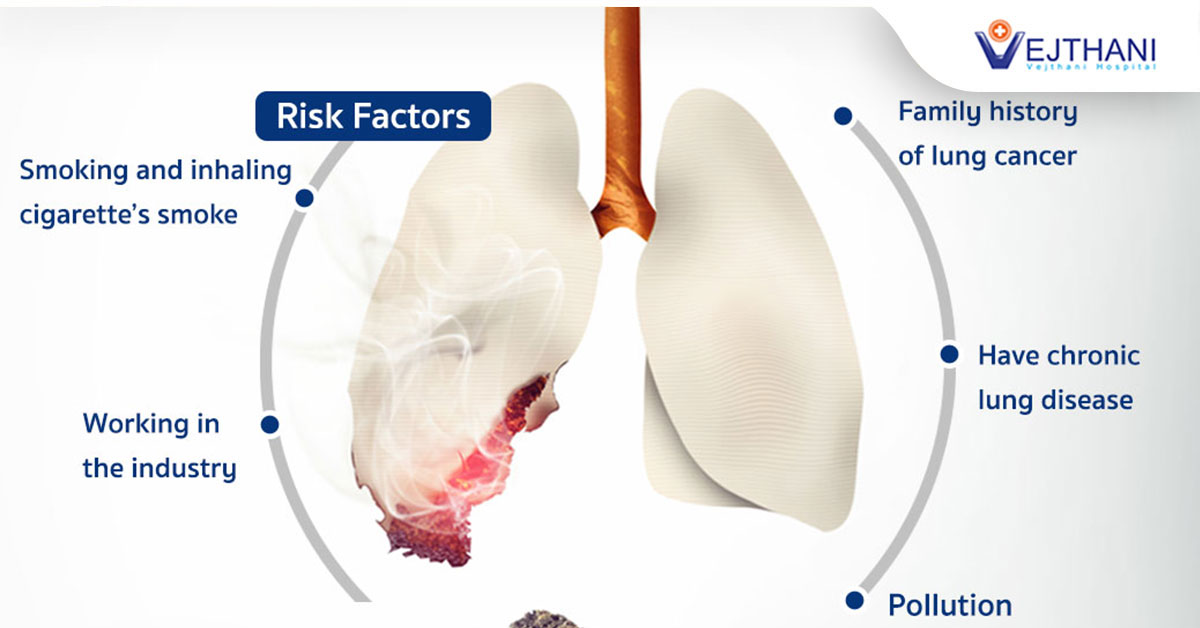
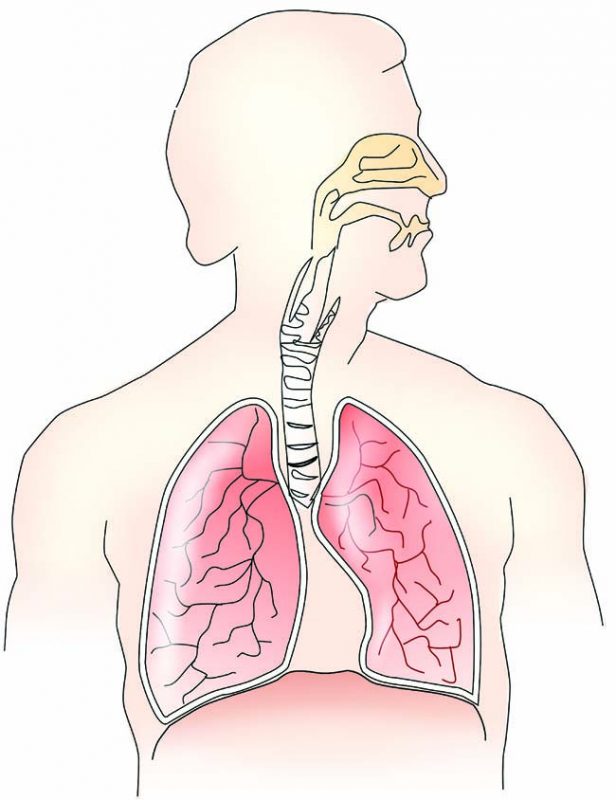
The lungs are made of a spongy material and responsible on how the body breathes to inhale oxygen and exhale carbon dioxide. The type of cancer that originates from the lungs is called lung cancer which is the common cause of cance deaths in the world. Furthermore, the main risk factor of lung cancer is smoking. Read more

read more

Health Articles

Doctor Warns PM 2.5 and Incense Smoke May be the Cause of Lung Cancer that you are Unaware of

Early detection of “lung cancer” leads to a chance of survival

4 Myths about Lung Cancer

The Connection between PM 2.5 Dust and Lung Cancer

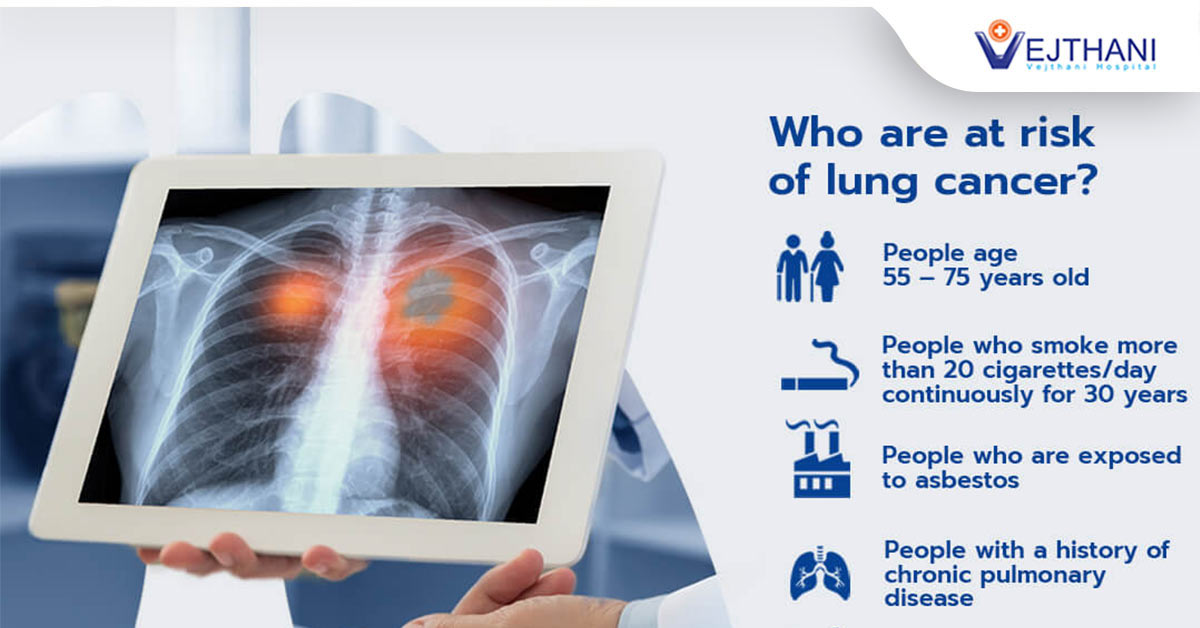
Are you at risk for Lung cancer ?

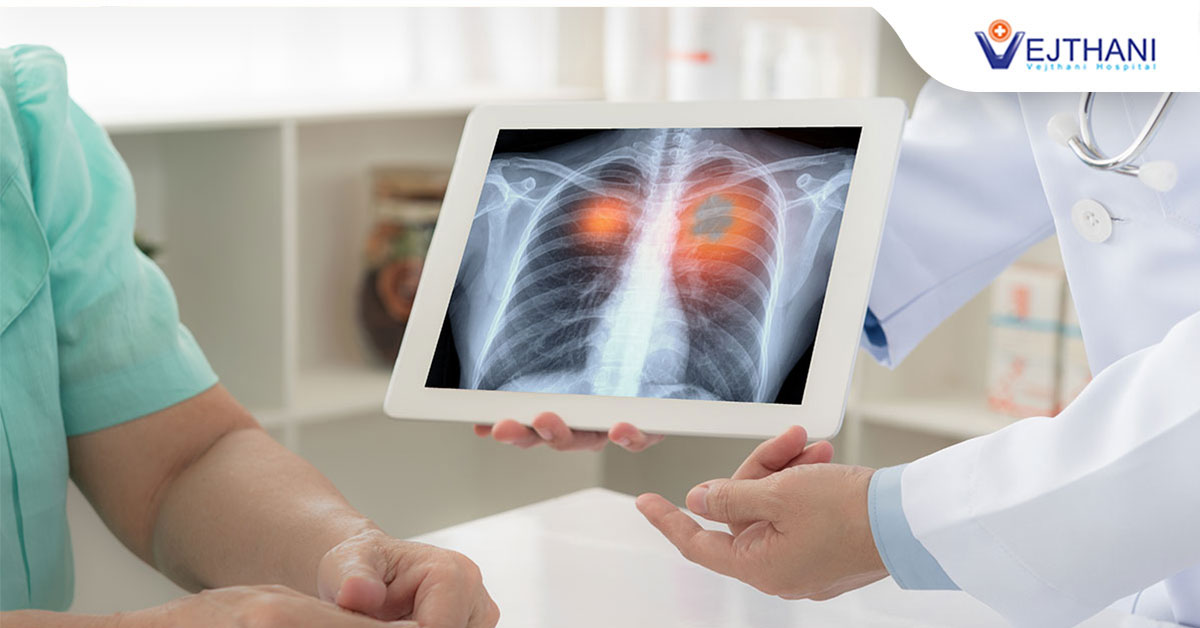
“Lung Cancer” can be treated successfully if found in early stage

Detect Lung Cancer Early with the Latest Technologies: Low-Dose CT Scan and EBUS — Accurate and Non-Invasive Lung Cancer Screening

From Critical Genes Discovery to a New Era of Precise Lung Cancer Treatment

Precision Screening for Lung Cancer: Early Detection with EBUS

One Cigarette Is All It Takes to Harm Your Heart, Lungs — Your Life

Pleural Empyema is a Leading Cause of Respiratory Failure

Avoid the Risk Factors to Reduce the Risk of Having Lung Cancer

Stages of Lung Cancer

“Lung Cancer” can be cured if detected Early

Consult Your Doctor Today

Our Expert Medical Team is here to provide you with medical services in accordance with JCI standards. Please provide as many details as possible about your medical condition and past medical history. This will help our doctors give you more accurate evaluation.

In case of emergency, kindly contact us at

Multilingual Hotlines

Contact Number
English Hotline (+66)85-223-8888
Arabic Hotline (+66)84-875-6622
Bangladeshi Hotline (+66)85-485-2333
Cambodian Hotline (+66)85-485-2333
Chinese Hotline (+66)84-751-6222
Ethiopian Hotline (+66)90-907-2560
Myanmar Hotline (+66)81-984-5111
Russian Hotline (+66)85-230-5555
Vietnamese Hotline (+66)97-291-3351
Call Center (+66)2-734-0000

Consult a doctor

Please add as many details as possible about your medical conditions and past medical histories to get a doctor's opinion or an estimated cost for your required medical procedure. This will help our physicians to provide a more precise evaluation. For urgent inquiries, please call us at: +66 8522 38888

Consult a doctor

Vejthani Hospital