Blood Cancer - Vejthani International Hospital | JCI Accredited International Hospital in Bangkok, Thailand.
Vejthani
Hero image

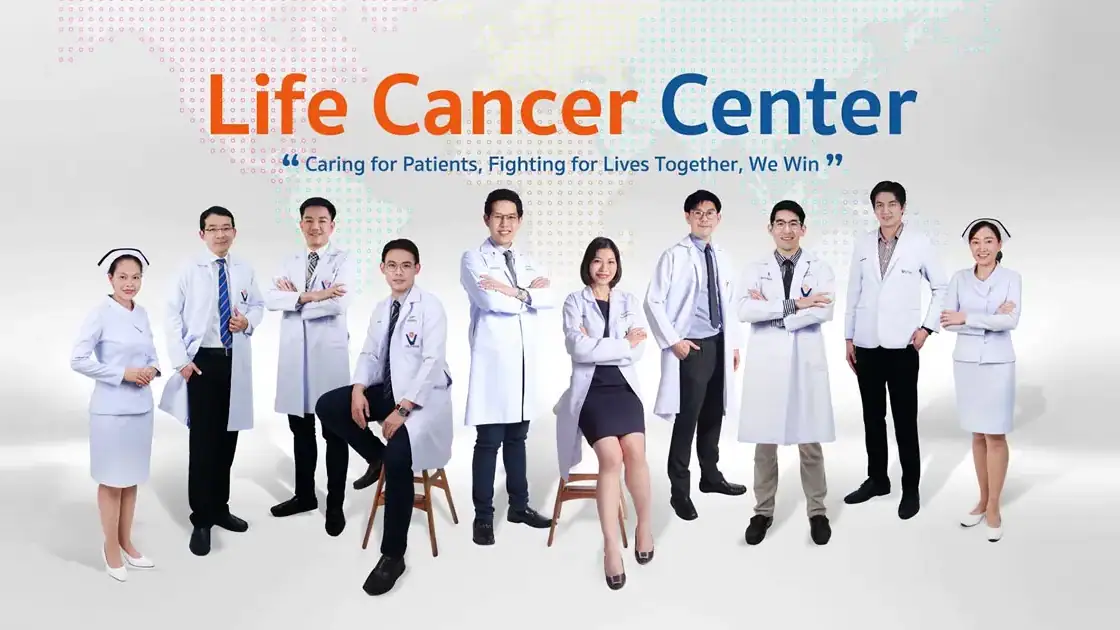
Vejthani Life Cancer Center provides comprehensive and holistic care and treatment by a dedicated Multidisciplinary Team comprising oncologists, surgeons, nurses, pharmacists, and nutritionists, with the use of advanced technologies and personalized approach. The entire team of professionals is involved in every aspect of the treatment that a patient needs to go through.

However, there is no simple or a blanket approach that can be taken to effectively treat all types of cancer. Our dedicated experts are committed to delivering integrated care and treatment that is individualized for your illness and your needs to help you manage side effects and possibly get back to the life you were once accustomed to.

Types of Blood Cancer

Blood cancer is classified into three main types, each originating in a different part of the body and requiring its own treatment approach.


Leukemia is a cancer of the white blood cells caused by abnormal blood cell overproduction. It occurs in the bone marrow where the blood cells are originated. When the body overproduces the abnormal blood cells, the normal blood cells will be reduced so that the patients who have abnormal blood cells will have these following symptoms

  • Decreased production of red blood cells: If the body produces fewer red blood cells, it will cause anemia, exhaustion, lacking energy, pale, and faint.
  • Abnormal white blood cell production: If the body produces abnormal white blood cells, the body’s immunity function will be deducted so that the patients will be easy to infect, and the infectious might be worse than usual. Moreover, the fungal infection on the lungs or in blood vassal maybe occurs on people who have abnormal immunity functions.
  • Abnormal platelet production: If the body produces abnormal platelet, it will cause bleeding disorder, bleeding gums, epistaxis, blood spots on the skin, or easy to get a bruise.

Lymphoma is a type of cancer that originates in the lymphatic system, a vital component of the immune system responsible for combating infections and maintaining fluid balance in the body. Lymphomas are classified into two primary categories:

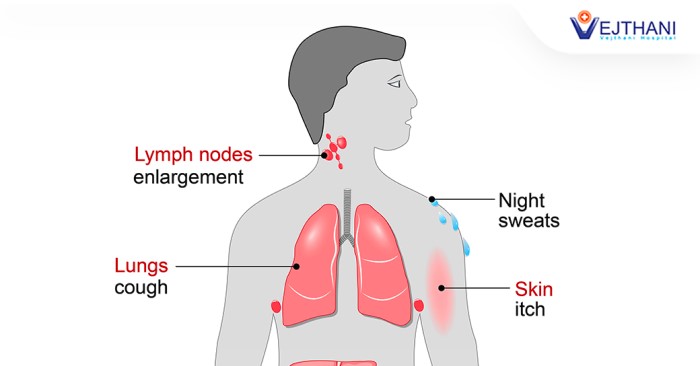
  • Hodgkin Lymphoma (HL) is a cancer of the lymphatic system characterized by the presence of Reed–Sternberg cells. Common symptoms include swollen lymph nodes, fever, night sweats, weight loss, and fatigue. It is often highly treatable, especially when diagnosed early.
  • Non-Hodgkin Lymphoma (NHL) is a group of cancers that develop in the lymphatic system without Reed–Sternberg cells. Symptoms may include swollen lymph nodes, fever, fatigue, and unexplained weight loss. NHL has many subtypes, ranging from slow-growing to aggressive forms.

These two classifications stem from differences in clinical behavior, cellular characteristics, and treatment strategies, despite both arising from white blood cells called lymphocytes.

Multiple myeloma is a type of blood cancer that originates in the plasma cells, a subtype of white blood cells responsible for producing antibodies to fight infections. When plasma cells become cancerous, they proliferate uncontrollably, forming a mass or tumor within the bone marrow. This results in weakened bones, compromised immune function, and a range of other health complications. Multiple myeloma predominantly affects older adults and is relatively rare compared to other forms of blood cancer.

Comprehensive Blood Cancer Treatment

Precision medicine is a technological breakthrough in the medical field. The approach is designed to change the concept of using one kind of medication to treat a disease in all patients. Research has found that personalized medicines created based on patients’ particular genes, proteins, and other substances in their bodies have better response to treatments than traditional medicine. Precision medicine is an innovative approach to prevent and treat diseases by taking each individual’s lifestyle, environment, and biology into account.

Chemotherapy

View treatment details

Chemotherapy is undoubtedly one of the core treatment options for cancer patients. There are several ways of delivering chemotherapy, including intravenous, oral chemotherapy, and direct injection to targeted organs.

Oncologists may plan to use either this treatment alone or in conjunction with surgery and radiation. Before taking chemotherapy, patients are advised to inform the medical team if they are taking any medications that may have a reaction if given with chemotherapy, including prescribed medicines, over-the-counter medicines, alcohol, and nutritional supplements.

Targeted Therapy

View treatment details

Targeted therapy is a cancer medicine that focuses on proteins that control the growth, division, and spreading of cancer cells. This process is a foundation of treating cancer with precision medicine.

After researchers studied changes in DNA and proteins that stimulate cancer growth, more effective treatments were created to target those proteins. Some targeted therapy drugs work by diminishing the growth and survivability of cancer cells.

Unlike traditional chemotherapy, targeted therapy targets proteins or genes that are specific to cancer cells. This treatment can stop blood from flowing to the tumor and help the immune system destroy cancer cells. Compared to other types of treatment, targeted therapy is less harmful.

Immunotherapy

View treatment details

Immunotherapy is a type of cancer treatment that takes a person’s own immune system to fight against cancer. The treatment method has the ability to stimulate or alter how the immune system works naturally so it can look for cancer cells and attack them.

Immunotherapy has been considered a promising cancer treatment. It is designed to boost the production of cells that fight against cancer in the body or help healthy cells identify and destroy cancer cells. In simpler terms, immunotherapy is designed to treat the body by making it strong enough to fight against cancer.

Bone Marrow Transplant

View treatment details

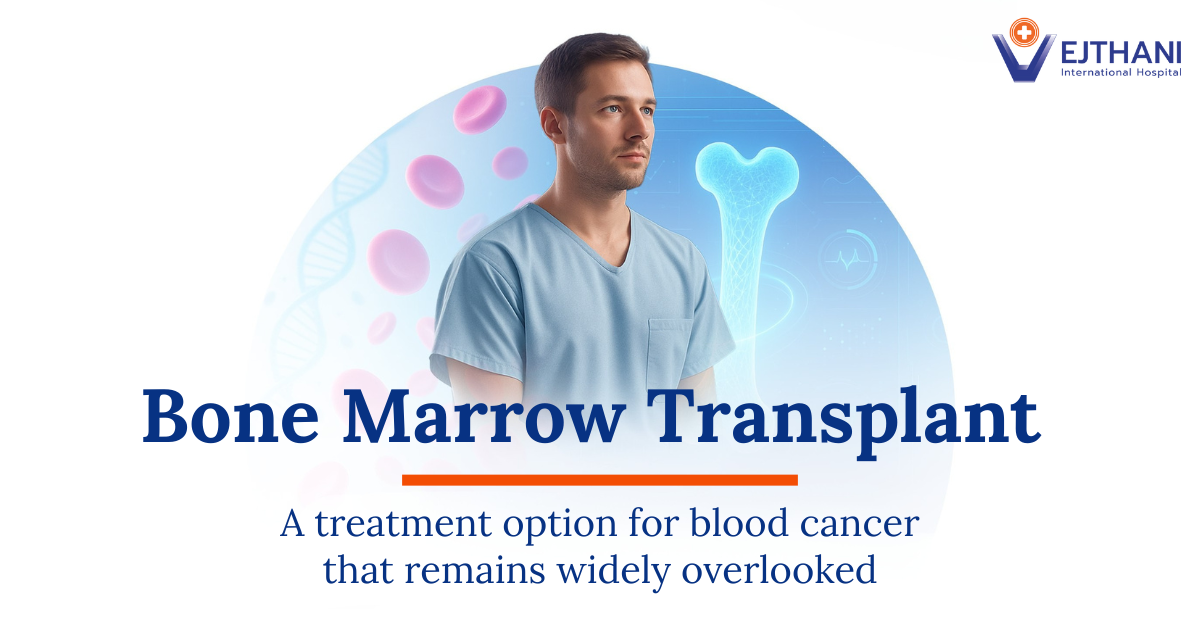
Bone marrow transplant, also known as stem cell transplant, is a type of treatment for certain kinds of cancer. Bone marrow is a spongy liquid tissue in the center of bones, and its primary function is to produce blood cells that circulate in the body.

Pelvic or hip bones have the highest number of bone marrow and stem cells. This is why most bone marrow transplantations are done by retrieving cells from the pelvic bone. The amount of bone marrow has to be sufficient to acquire a good number of healthy stem cells.

Stem cells are young or immature white blood cells, red blood cells, and platelets. Hematopoietic stem cells are young cells that have not been completely developed. Although these cells grow out to be the same, they can become any type of blood cell once matured, depending on the body’s needs while the cell is developing.

Radiation Therapy

View treatment details

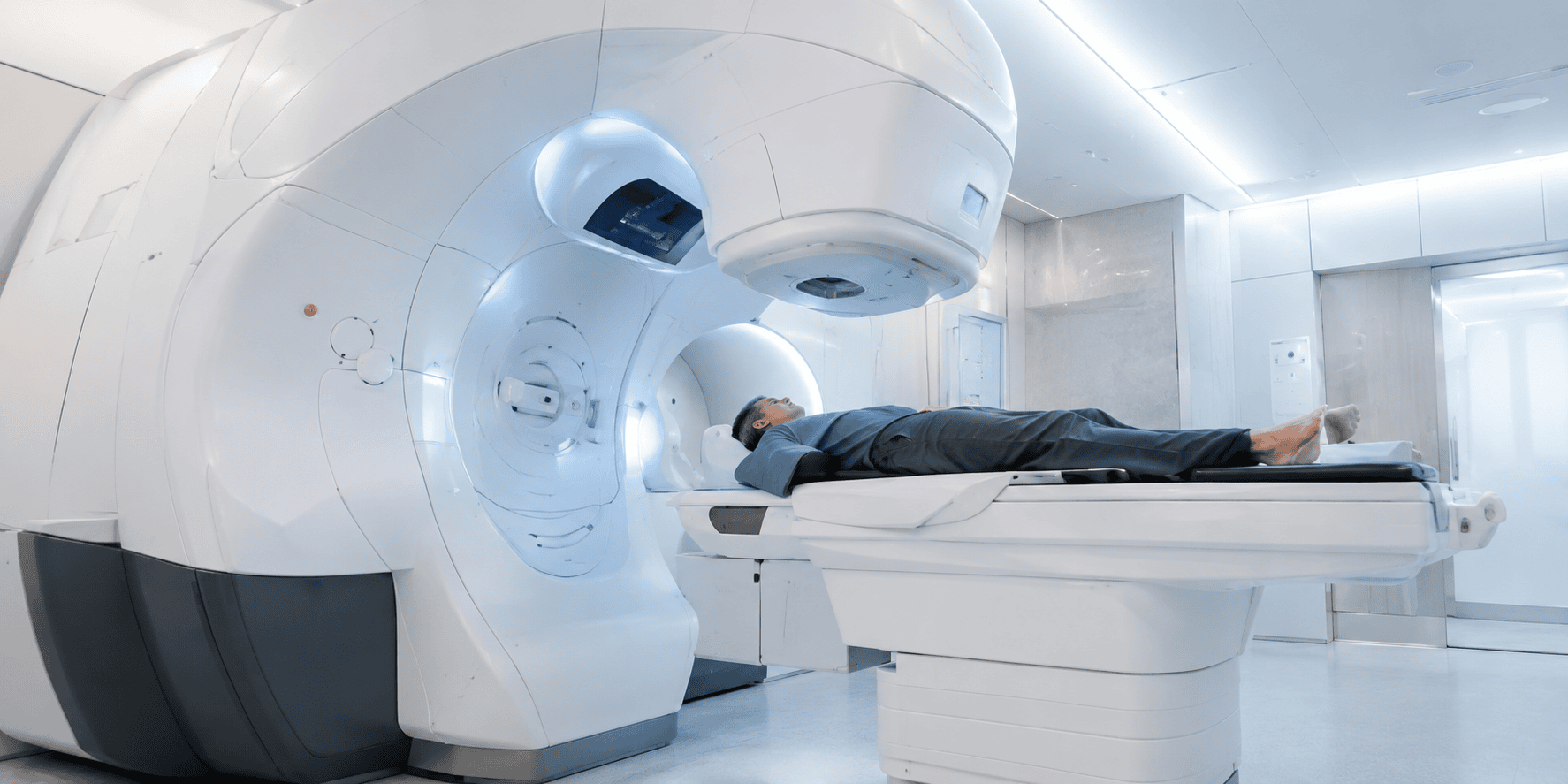
Radiation therapy is one of the common therapies for cancer patients. It uses high-energy beams to eliminate cancer cells. The form of beams can be x-rays, protons, and other energy types.

There are two main applications of radiation therapy. Directly emitting radiation on the specific part of the body affected by cancer is called external-beam radiation. For internal radiation therapy, oncologists may place an amount of radioactive material inside the body, formally called brachytherapy.

Hormone Therapy

View treatment details

Hormone therapy is a type of cancer treatment that delays or stops the growth of cancer that develops through hormones with the help of synthetic hormones. It is designed to block the effect of natural hormones and reduce the amount of hormones that get into the tumor.

Apart from stopping cancer growth, it can also decrease tumor size. Hormone therapy is used for two primary reasons: to treat cancer by reducing the chance of recurrence, and to ease cancer symptoms. However, symptom relief is used in prostate cancer patients who are unable to undergo surgery or radiation therapy. The treatment is given through oral medications or injection shots.

CAR T-Cell Therapy

View treatment details

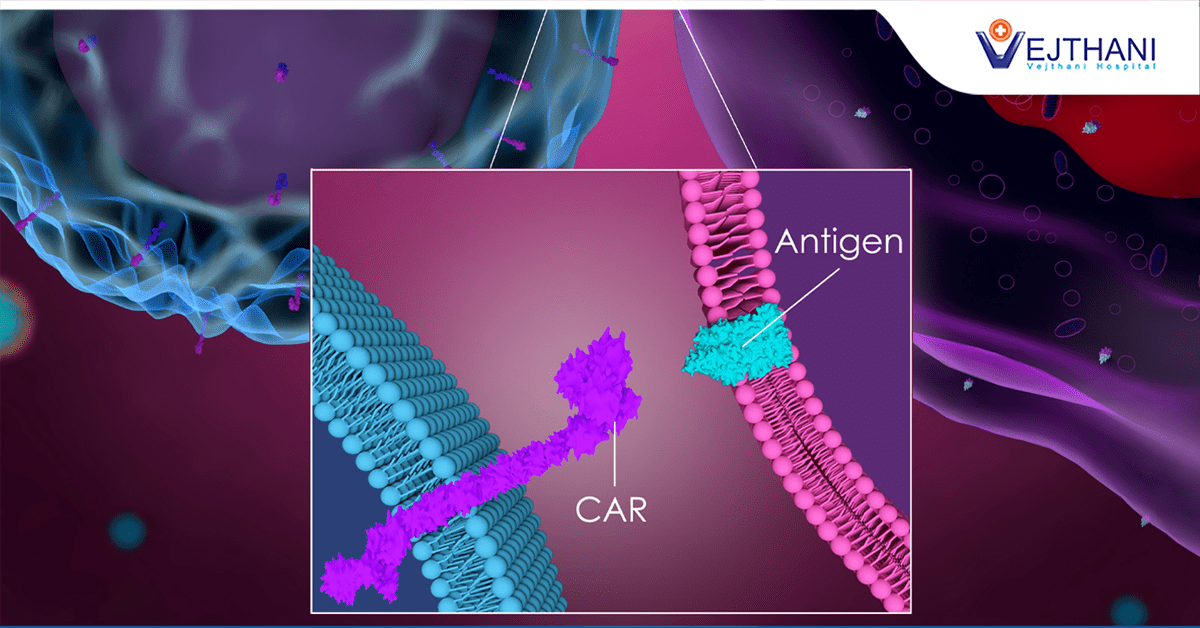
Chimeric antigen receptor or CAR T-cell therapy uses T cells, a type of white blood cell, which are collected from the patient and transformed in the laboratory to fight cancer. CAR T-cell therapy is a type of cell-based gene therapy because the genes inside the T cells are altered so they can attack cancer cells.

CAR T-cell therapy is known as “living drugs”. T cells help organize the response of the immune system and kill cells infected by pathogens, which are known as the backbone of CAR T-cell therapy. Currently available CAR T-cell therapies are customized for each patient.

The treatment process starts with collecting T cells from the patient and re-engineering them in the laboratory to produce proteins called chimeric antigen receptors, or CARs, that recognize and bind to specific proteins or antigens on the surface of cancer cells.

After transformation, T cells are multiplied into millions in the laboratory and delivered back to the patient’s body. CAR T-cells continue to multiply in the body and, with instructions from their engineered receptor, recognize and destroy cancer cells that exist on the surfaces of the targeted antigens.

Precision Diagnosis with Advanced Blood Cancer Technology

CT SCAN

Undergoing CT scan could have been worrisome with many consequent side effects in the past. Today one of the leading international hospitals in Thailand provides a whole new expereince of undergoing CT scan with advanced technologies. An AI system and ultra-low dose software are used to reduce unnecessary doses of radiations. With the help of Snap Freeze program, image resolution is enhanced; patients no longer need to take beta-blockers to control the heart rate, and the dose of contrast material injected into the body is reduced. This potentially decreases the side effects from the procedure and makes the investigating process much easier.

MRI

It may be true that lying in a tunnel is the worst nightmare for claustrophobics. That should NOT be the case at Vejthani international Hospital, it uses latest MRI technologies to provide a better expereince. The new machine has a wider tunnel that helps lowers the noise and anxiety in patients during the procedure. The air coil is a weight less equipment that feels like a real blanket on the skin. It also has Free Breathing technology that shortens the breath-holding duration.

Why Patients Trust Vejthani International Hospital for Blood Cancer Treatment ?

We understand the feelings of cancer patients and empathize with the hardships they go through. Being diagnosed with cancer could drastically change patient’s state of mind. It is challenging for them to decide which step to proceed next. Vejthani Hospital therefore strives to provide quality care to each of its valuable patients. Over decades of experience in treating cancer by incorporating leading-edge and comprehensive treatment options paired with a devoted and expert medical team, these make us one of the best cancer centers in Thailand. Our cutting-edge diagnostic technology can precisely detect cancer that is unique to each patient, allowing the team members of each medical field to work together to design a personalized treatment program that would result in optimal outcomes. Patients’ physical and emotional well-being are Vejthani’s top priorities.

Blood Cancer Diseases

Multiple myeloma is the development of a rare blood cancer that affects the plasma cells (also called B cells). Plasma cells are a type of white blood cell that help the body fight infections by producing antibodies called immunoglobulins. Multiple myeloma occurs when abnormal cells multiply and produce antibodies knows as M proteins. As this happens, the disease can affect the bones, kidneys, and the ability to produce healthy blood cells. Multiple myeloma could affect a person without any symptoms, The disease is slow progressive during the early stage, and the immediate treatment is not necessary, however, regular monitoring for the signs and symptoms is recommended to slow the progression of the disease. read more

Health Videos

Could Bone Marrow Transplant Save a Cancer Patient?
An innovative approach to cancer treatment – Targeted therapy and Immunotherapy
Lymphoma Treatment l Vejthani Hospital

Health Articles


"Bone Marrow Transplant: A Lifesaving Treatment for Blood Cancer Patients"

Bone Marrow Transplant: A Lifesaving Treatment for Blood Cancer Patients”

Hematologic cancers are caused by abnormalities in blood cells and bone marrow, which decrease the production of healthy blood cells.

Read More →


Revolutionizing Blood Cancer Treatment: The Promise of CAR T-CELL Therapy

Revolutionizing Blood Cancer Treatment: The Promise of CAR T-CELL Therapy

Cancer is one of the leading causes of death in patients around the world. There are roughly 130,000 new cancer patients in Thailand. In 2021, there were 84,000 deaths due to cancer. The number is expected to grow from the current situation.

Read More →


When Your Child Has Bad Blood

When Your Child Has Bad Blood

Childhood leukemia is a cancer of the white blood cells. Vejthani Hospital offers effective pediatric leukemia treatment.

Read More →


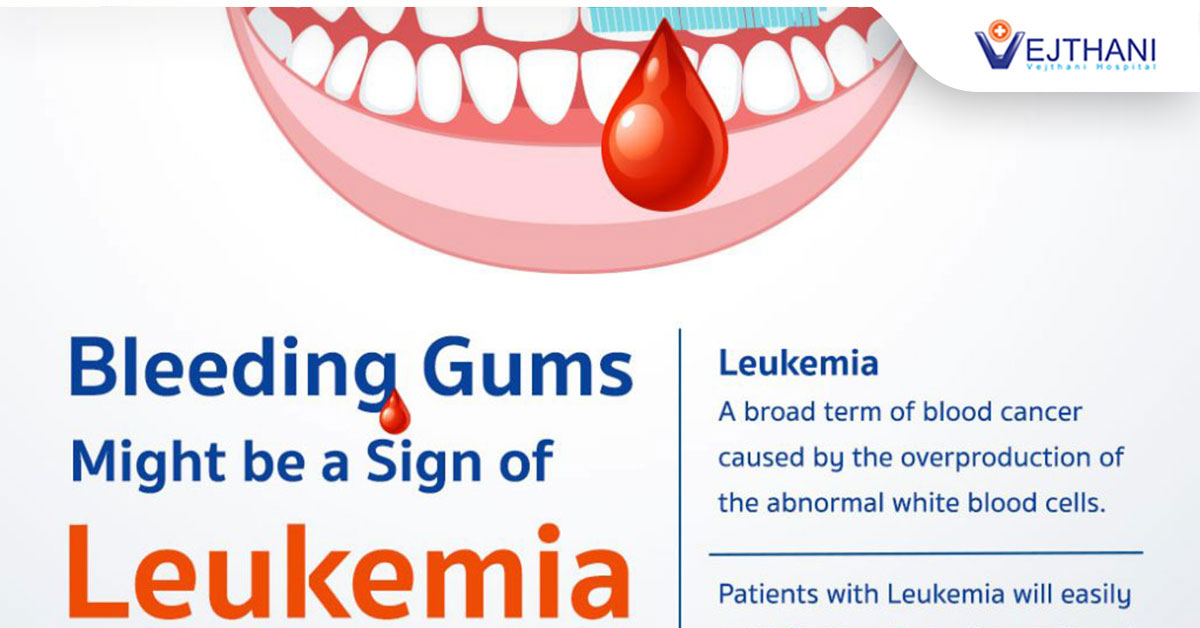
Bleeding Gums Might be a Sign of Leukemia

Bleeding Gums Might be a Sign of Leukemia

Leukemia is a broad term of blood cancer caused by the overproduction of the abnormal white blood cells. Patients with Leukemia will easily get infection, feel exhausted, and have bleeding disorder like bleeding gums or bruises on the skin.

Read More →


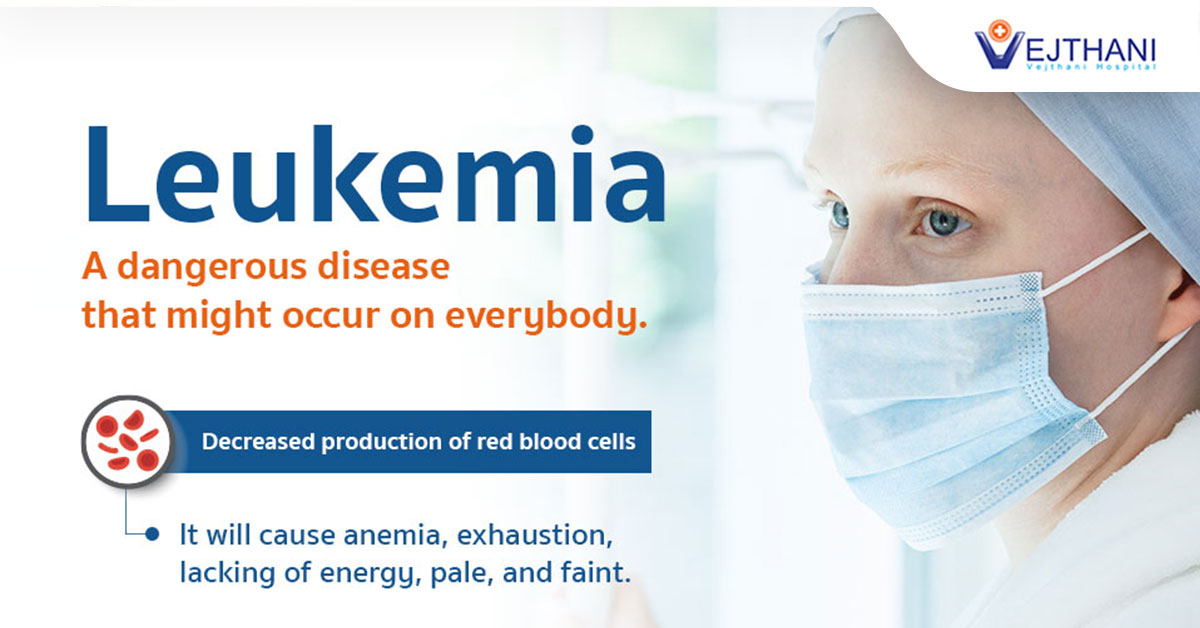
Leukemia, a dangerous disease that might occur on everybody.

Leukemia, a dangerous disease that might occur on everybody.

Leukemia is a cancer of the white blood cells caused by abnormal blood cell overproduction. It occurs in the bone marrow where

Read More →


Acute Lymphoblastic Leukemia: The Most Common and Mostly Curable Childhood Cancer

Acute Lymphoblastic Leukemia: The Most Common and Mostly Curable Childhood Cancer

Cancer is the second major cause of death in both children and adolescents. Acute Lymphoblastic Leukemia (ALL) is the most common childhood cancer.

Read More →


Vejthani Hospital Provides Lymphoma Treatment in Thailand

Vejthani Hospital Provides Lymphoma Treatment in Thailand

Vejthani Hospital’s Life Cancer Center in Bangkok, Thailand provides the latest diagnosis techniques and treatments for all types of lymphoma.

Read More →


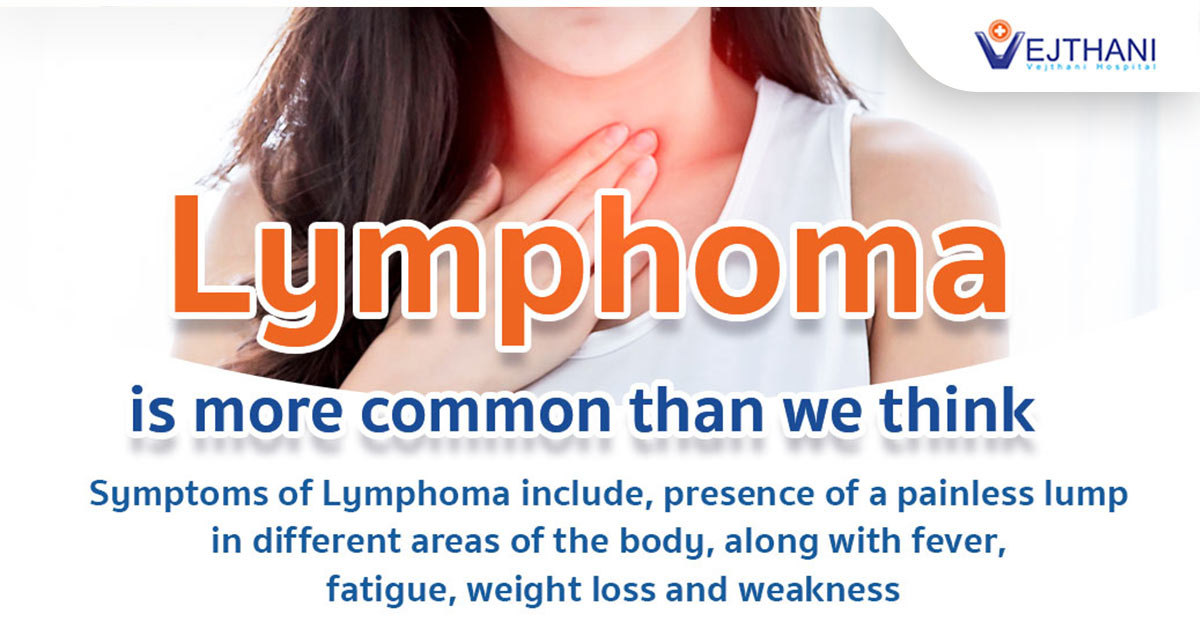
Lymphoma is more common than we think

Lymphoma is more common than we think

Lymphoma is one of the severe diseases that lies very close to us. Lymph nodes are present everywhere in our body, e.g., neck, under arms, inner elbow, inner knee, chest, and abdomen. More importantly

Read More →


LYMPHOMA CAN BE CURED if diagnosed early & treated promptly

LYMPHOMA CAN BE CURED if diagnosed early & treated promptly

‘Health is Wealth’, it is truly said for the human beings, we all know that cancer is the leading cause of mortality worldwide and

Read More →

Consult Your Doctor Today

Our Expert Medical Team is here to provide you with medical services in accordance with JCI standards. Please provide as many details as possible about your medical condition and past medical history. This will help our doctors give you more accurate evaluation.

In case of emergency, kindly contact us at

Multilingual Hotlines

Contact Number
English Hotline (+66)85-223-8888
Arabic Hotline (+66)84-875-6622
Bangladeshi Hotline (+66)85-485-2333
Cambodian Hotline (+66)85-485-2333
Chinese Hotline (+66)84-751-6222
Ethiopian Hotline (+66)90-907-2560
Myanmar Hotline (+66)81-984-5111
Russian Hotline (+66)85-230-5555
Vietnamese Hotline (+66)97-291-3351
Call Center (+66)2-734-0000

Consult a doctor

Please add as many details as possible about your medical conditions and past medical histories to get a doctor's opinion or an estimated cost for your required medical procedure. This will help our physicians to provide a more precise evaluation. For urgent inquiries, please call us at: +66 8522 38888

Consult a doctor

Vejthani Hospital